



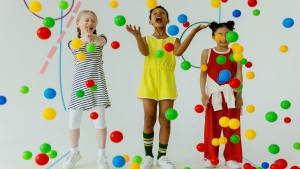
On 11 June 2026, it is International Day of Play. This day is not just symbolic; it's a reminder that play is a fundamental right and the most natural way children learn, grow, and connect. Services can use the day to embed extra play opportunities, educate families about its importance, and celebrate the joy of childhood.
World Mental Health Day is a vital moment for educators—not just to support children’s wellbeing, but to reflect on their own emotional health, professional identity, and the culture of care within their settings. The following article provides workplace ideas to support Educator's wellbeing.
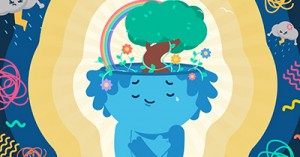
World Mental Health Day, on October 10th, provides an opportunity to nurture emotional wellbeing, resilience, and empathy in early childhood settings. For children, mental health isn’t about diagnoses, it’s about feeling safe, seen, and supported. The following article provides information on Why It Matters in Early Childhood, Activities for Young Children and more.
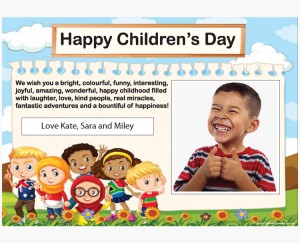
This is a free template for Educators to give to children to celebrate World Children's Day.
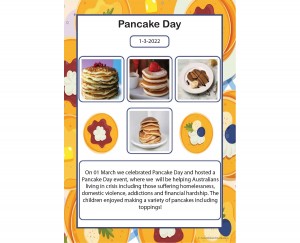
This template is for services celebrating Pancake Day.
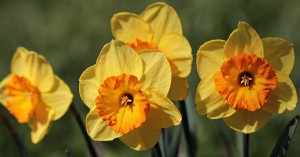
Daffodil Day is held on Friday 28th August. It is the Cancer Council’s annual campaign to raise funds for cancer research.
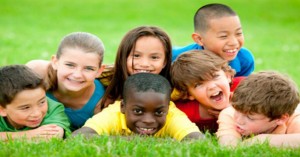
From 15th March to 21 March we celebrate Harmony Week. Harmony Week celebrates Australia’s cultural diversity. We celebrate inclusiveness, respect and a sense of belonging for all Australians, from the traditional owners of the land to those who have come from many countries around the world.
From the 01 to 07 September 2019, it is National Child Protection Week. It's important as Educators will ensure will create a safe and nurturing environment for all children in our care.
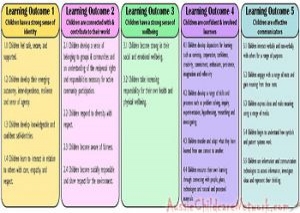 Here is the list of the EYLF Learning Outcomes that you can use as a guide or reference for your documentation and planning. The EYLF… Read More
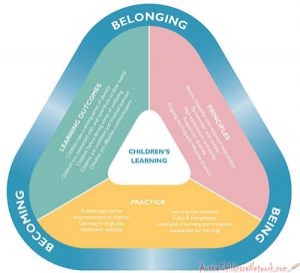 The EYLF is a guide which consists of Principles, Practices and 5 main Learning Outcomes along with each of their sub outcomes, based on identity,… Read More
 This is a guide on How to Write a Learning Story. It provides information on What Is A Learning Story, Writing A Learning Story, Sample… Read More
 One of the most important types of documentation methods that educators needs to be familiar with are “observations”. Observations are crucial for all early childhood… Read More
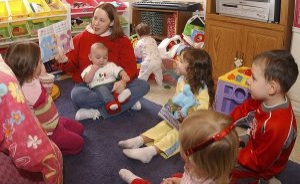 To support children achieve learning outcomes from the EYLF Framework, the following list gives educators examples of how to promote children's learning in each individual… Read More
 Reflective practice is learning from everyday situations and issues and concerns that arise which form part of our daily routine while working in an early… Read More
 When observing children, it's important that we use a range of different observation methods from running records, learning stories to photographs and work samples. Using… Read More
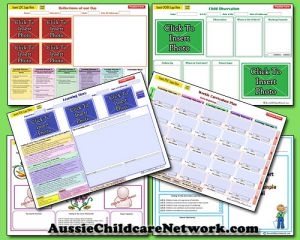 Within Australia, Programming and Planning is reflected and supported by the Early Years Learning Framework. Educators within early childhood settings, use the EYLF to guide… Read More
 This is a guide for educators on what to observe under each sub learning outcome from the EYLF Framework, when a child is engaged in… Read More
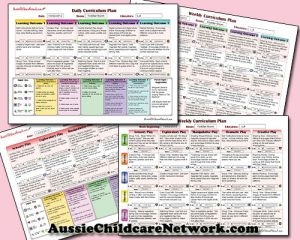 The Early Years Learning Framework describes the curriculum as “all the interactions, experiences, activities, routines and events, planned and unplanned, that occur in an environment… Read More
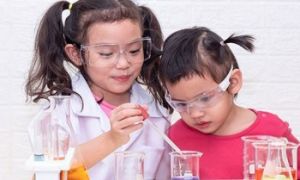
Introducing children to science at a young age assists in their brain development. Science experiments...
See more...
Creating a peaceful atmosphere during rest time is essential for children’s emotional regulation, relaxation, and...
See more...
Educators and families deserve a system that mirrors real-time quality and safety—one that responds instantly...
See more...