



It’s common for students to be asked to help with cleaning, tidying, and supervising children outdoors. These tasks are part of daily routines and give you insight into how services operate. However, if your placement hours are limited to cleaning and basic supervision, you’re missing out on the learning opportunities placements are designed to provide.

Our early childhood sector is facing a troubling paradox. On one hand, thousands of students are enrolling in Certificate III programs, eager to join the workforce. On the other hand, services are reporting that these trainees arrive on placement underprepared, leaving educators overwhelmed and children underserved. This mismatch between training and practice is not just frustrating—it’s unsustainable.

Placements are designed to be safe, structured opportunities for students to learn, observe, and gradually build confidence in their professional practice. They are not employment contracts, nor should they be used to fill staffing gaps. When boundaries blur, students can feel pressured, undervalued, and even exploited. Understanding the difference between learning and labour is essential for both centres and students.

Student work placement in early childhood education in Australia is a valuable opportunity for students to gain practical experience and apply the knowledge they've learned in their studies. The following article provides Information About Work Placement, What To Expect During Work Placement, Work Placement Agreement, Work Placement Assessment and more.

Workplace Bullying is something that each of us may have experienced at some point of time in our industry. It makes you feel incompetent, it's depressing and you feel worthless. No one should ever make you feel negative, especially at your work! Workplace Bullying is a serious risk to the emotional wellbeing and health of educators and it needs to be prevented and dealt with if it does occur. It's unfortunate but it still exists in early childhood settings!

If you’re doing your Certificate III in Early Childhood Education and Care through a traineeship, your pay and conditions work differently to other educators. This guide explains how it works under the Children’s Services Award 2010.

Conflicts are a common part of relationships and can happen within the workplace. Each and every person has their own thoughts, ideas and perspectives and you can’t expect people to agree with each other all the time. Knowing how to handle a conflict in a positive way provides an opportunity to strengthen your relationships in the workplace.
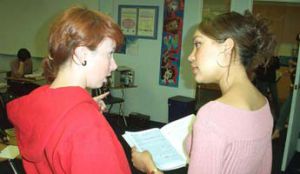
How you support work placement students can depend on your own position within the centre, however no matter what your position you will have something to offer the student.

Encouragement is a self-esteem enhancing tool that we as childcare professionals should utilize more often. By using encouragement it focuses on the child rather than on the adult. It helps children to feel that we (adults) are interested in them and in what they are doing. It also shows that we have taken the time to notice how they are feeling.

Work placement is an excellent opportunity for you to prepare and gain insight into the early childhood industry as well as help you to clarify or confirm your career choice.
 The Children’s Services Award introduces a streamlined classification system and updated pay rates designed to better recognise the skills, qualifications, and responsibilities of early childhood… Read More
 The Children’s Services Award has 8 clear levels. These levels make it easier to understand where you fit, based on your experience, qualifications, and responsibilities.… Read More
 When working as a qualified early childhood teacher (with a university degree) within a service, your rate of pay will come from the Educational Services… Read More
 Diploma-qualified educators play a vital role in early childhood services, taking on responsibilities that range from supporting children’s learning and development to leading rooms and… Read More
 Certificate III qualified educators form the backbone of early childhood services, providing essential care and learning support for children across all settings. Their wages under… Read More
 Early Childhood Teachers (ECTs) play a vital role in leading curriculum and pedagogy in early learning settings. Regulation 272 of the Education and Care Services… Read More
 Discover how school readiness programs support children’s independence, confidence, and skills for a successful transition into primary school.
Read More
Discover how school readiness programs support children’s independence, confidence, and skills for a successful transition into primary school.
Read More
 When an Educator is not performing their tasks or responsibilities at best practice, these issues need to be addressed for the Educator to understand where… Read More
 Educators can maximise tax deductions by claiming classroom supplies, training, union fees, and home office costs this financial year.
Read More
Educators can maximise tax deductions by claiming classroom supplies, training, union fees, and home office costs this financial year.
Read More
 A staff appraisal is a formal, systematic process of determining and reviewing the performance of early childhood educators over a period of time, usually a… Read More

Child-led inquiry maps are visual tools that capture and scaffold children’s natural curiosity, questions, and...
See more...
Bounce Cards are designed for OSHC Educators to go with you, wherever your OSHC children...
See more...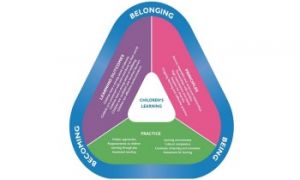
The My Time Our Place Framework provides broad direction for school age care educators in...
See more...