




Educators urge a national reading strategy, as fewer children read for fun, highlighting the urgent need for libraries and literacy support.
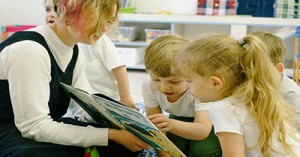
Children don’t learn to read by starting with phonics worksheets—they begin with listening, talking, imagining, and playing. Pre-reading skills emerge organically when environments are rich in language, storytelling, and joyful exploration. These foundational abilities must be nurtured before formal reading instruction begins.
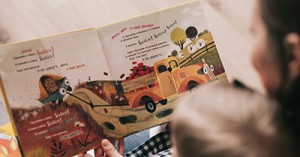
A recent report shared by 7NEWS Australia warns of a troubling trend: fewer Australian parents are reading to their children. While the headline sparks concern about declining literacy and emotional development, it risks overlooking a deeper reality—one that goes far beyond the bedtime book ritual.

Reading books supports children to become emergent readers, it teaches sharing and involvement and develops early literacy skills. The Take Home Book Program guides families in building, confident and fluent readers and builds positive relationships between home and preschool.
 The Children’s Services Award introduces a streamlined classification system and updated pay rates designed to better recognise the skills, qualifications, and responsibilities of early childhood… Read More
 The Children’s Services Award has 8 clear levels. These levels make it easier to understand where you fit, based on your experience, qualifications, and responsibilities.… Read More
 When working as a qualified early childhood teacher (with a university degree) within a service, your rate of pay will come from the Educational Services… Read More
 Diploma-qualified educators play a vital role in early childhood services, taking on responsibilities that range from supporting children’s learning and development to leading rooms and… Read More
 Certificate III qualified educators form the backbone of early childhood services, providing essential care and learning support for children across all settings. Their wages under… Read More
 Early Childhood Teachers (ECTs) play a vital role in leading curriculum and pedagogy in early learning settings. Regulation 272 of the Education and Care Services… Read More
 Discover how school readiness programs support children’s independence, confidence, and skills for a successful transition into primary school.
Read More
 When an Educator is not performing their tasks or responsibilities at best practice, these issues need to be addressed for the Educator to understand where… Read More
 Educators can maximise tax deductions by claiming classroom supplies, training, union fees, and home office costs this financial year.
Read More
 A staff appraisal is a formal, systematic process of determining and reviewing the performance of early childhood educators over a period of time, usually a… Read More
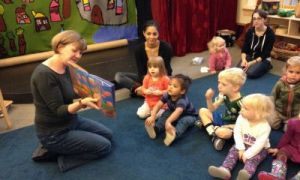
Minimum educator-to-child ratios and purposeful for services to highlight the importance of the safety, welfare...
See more...
As part of their educational programmes, early education and care services may be situated in...
See more...
Among the key principles of the NQF is the valuing of Australia’s Aboriginal and Torres...
See more...