



Protect pregnant educators from CMV in childcare with hygiene, screening, and safe workplace policies to reduce infection risks.
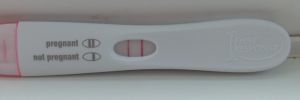
A pregnancy test attempts to determine whether or not a woman is pregnant. Modern pregnancy tests look for chemical markers associated with pregnancy. These markers are found in urine and blood, and pregnancy tests require sampling one of these substances. The first of these markers to be discovered, human chorionic gonadotropin (hCG), was discovered in 1930 to be produced by the trophoblast cells of the fertilised ovum (blastocyst). While hCG is a reliable marker of pregnancy, it cannot be detected until after implantation: this results in false negatives if the test is performed during the very early stages of pregnancy. Obstetric ultrasonography may also be used to detect pregnancy. Obstetric ultrasonography was first practised in the 1960s; the first home test kit for hCG was released in the mid-1970s.

One of the most common drawbacks of being pregnant is having to deal with morning sickness and nausea. Just the sight and smell of some of the most common foods will make you want to run to the bathroom and hurl. Luckily morning sickness and nausea usually only last for the first three to four months of pregnancy.
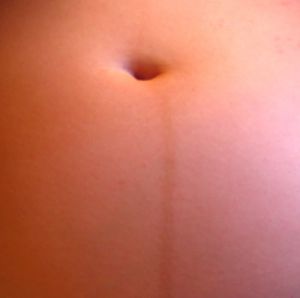
Pregnancy is the carrying of one or more offspring, known as a fetus or embryo, inside the womb of a female. In a pregnancy, there can be multiple gestations, as in the case of twins or triplets. Childbirth usually occurs about 38 weeks after conception; i.e., approximately 40 weeks from the last normal menstrual period (LNMP). The World Health Organization defines normal term for delivery as between 37 weeks and 42 weeks.
 The Children’s Services Award introduces a streamlined classification system and updated pay rates designed to better recognise the skills, qualifications, and responsibilities of early childhood… Read More
 The Children’s Services Award has 8 clear levels. These levels make it easier to understand where you fit, based on your experience, qualifications, and responsibilities.… Read More
 When working as a qualified early childhood teacher (with a university degree) within a service, your rate of pay will come from the Educational Services… Read More
 Diploma-qualified educators play a vital role in early childhood services, taking on responsibilities that range from supporting children’s learning and development to leading rooms and… Read More
 Certificate III qualified educators form the backbone of early childhood services, providing essential care and learning support for children across all settings. Their wages under… Read More
 Early Childhood Teachers (ECTs) play a vital role in leading curriculum and pedagogy in early learning settings. Regulation 272 of the Education and Care Services… Read More
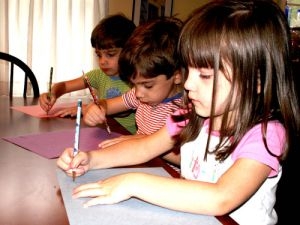 Discover how school readiness programs support children’s independence, confidence, and skills for a successful transition into primary school.
Read More
Discover how school readiness programs support children’s independence, confidence, and skills for a successful transition into primary school.
Read More
 When an Educator is not performing their tasks or responsibilities at best practice, these issues need to be addressed for the Educator to understand where… Read More
 Educators can maximise tax deductions by claiming classroom supplies, training, union fees, and home office costs this financial year.
Read More
Educators can maximise tax deductions by claiming classroom supplies, training, union fees, and home office costs this financial year.
Read More
 A staff appraisal is a formal, systematic process of determining and reviewing the performance of early childhood educators over a period of time, usually a… Read More

Family feedback is more than a courtesy; it is a cornerstone of quality practice in...
See more...
Birthdays are milestones that matter deeply to children. In early childhood settings, a birthday wall...
See more...
Sensory boards, often called busy boards, are interactive panels designed to stimulate children’s senses and...
See more...