


Stepping into the role of director brings many responsibilities, and one of the most important is recruiting and supporting new trainees. For many candidates, this is their very first job in the sector. They may be young, inexperienced, and nervous, yet they hold the potential to grow into strong educators who enrich your team.
This article explores practical approaches to interviewing trainees, ensuring the process is supportive, insightful, and aligned with the values of early childhood education.

Prepare for early childhood education interviews with confidence. Discover common questions, learn how to showcase emotional intelligence, and explore sector‑specific examples to highlight your skills and values.

When unraveling whether a candidate has shortcut their Early Childhood Education (ECE) training, structured interviews and targeted questions can expose gaps in real-world competence. Fast-track or “vacation” pathways have raised alarm after thousands of candidates completed diplomas and graduate qualifications in months—sometimes with no genuine workplace experience and questionable oversight.
 The Children’s Services Award introduces a streamlined classification system and updated pay rates designed to better recognise the skills, qualifications, and responsibilities of early childhood… Read More
 The Children’s Services Award has 8 clear levels. These levels make it easier to understand where you fit, based on your experience, qualifications, and responsibilities.… Read More
 When working as a qualified early childhood teacher (with a university degree) within a service, your rate of pay will come from the Educational Services… Read More
 Diploma-qualified educators play a vital role in early childhood services, taking on responsibilities that range from supporting children’s learning and development to leading rooms and… Read More
 Certificate III qualified educators form the backbone of early childhood services, providing essential care and learning support for children across all settings. Their wages under… Read More
 Early Childhood Teachers (ECTs) play a vital role in leading curriculum and pedagogy in early learning settings. Regulation 272 of the Education and Care Services… Read More
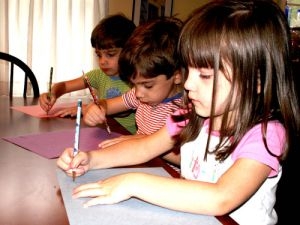 Discover how school readiness programs support children’s independence, confidence, and skills for a successful transition into primary school.
Read More
Discover how school readiness programs support children’s independence, confidence, and skills for a successful transition into primary school.
Read More
 When an Educator is not performing their tasks or responsibilities at best practice, these issues need to be addressed for the Educator to understand where… Read More
 Educators can maximise tax deductions by claiming classroom supplies, training, union fees, and home office costs this financial year.
Read More
Educators can maximise tax deductions by claiming classroom supplies, training, union fees, and home office costs this financial year.
Read More
 A staff appraisal is a formal, systematic process of determining and reviewing the performance of early childhood educators over a period of time, usually a… Read More

Sustainability isn’t just about recycling; it’s about helping children understand their role as caretakers of...
See more...
Group games are a wonderful way to build social skills, cooperation, and confidence in preschoolers...
See more...
Sometimes you know that it’s time to move on from your current centre. You may...
See more...