


Every child’s learning journey is unique, shaped by their interests, strengths, and cultural identity. The EYLF places strong emphasis on documenting children’s goals and critically reflecting on them as part of a continuous cycle of planning. This process is not just about compliance; it’s about making learning visible, ensuring children’s voices are heard, and engaging families as partners in their child’s development.
By setting clear, individualised goals and revisiting them regularly, educators can celebrate progress, identify emerging needs, and adapt strategies to support each child’s growth. Whether reviewed half-yearly, yearly, or through ongoing reflection, documenting and evaluating goals helps services demonstrate quality practice and align with the principles, practices, and outcomes of EYLF.

Setting meaningful goals helps educators grow professionally, strengthen practice, and enrich children’s learning experiences. This guidance sheet is designed to support each educator in identifying achievable, realistic goals that align with the EYLF and NQS. By focusing on small, practical steps, educators can celebrate progress, build confidence, and contribute to a culture of continuous improvement across the service.

In the fast-paced world of early childhood education, it’s easy to feel pulled in a dozen directions at once. Compliance demands, curriculum planning, family engagement, and the daily rhythm of caring for children can leave educators stretched thin. That’s why many leaders and reflective practitioners are embracing a simple yet powerful practice: choosing a single guiding word for the year.

The start of a new year is a powerful moment for educators to pause and reflect. Beyond compliance requirements, it’s an opportunity to reconnect with the values that guide our practice. By intentionally setting a vision rooted in values, educators can ensure that compliance becomes a scaffold for authentic engagement rather than a burden.

The start of a new year is more than a reset—it’s a chance to align compliance responsibilities with authentic engagement. Reflective practice ensures educators move beyond “checking boxes” to create joyful, culturally rich, and sustainable learning environments.

The following article provides a list of Professional Development Goals that can be implemented to develop team collaboration and cohesiveness, effective conflict resolution, Success Measures, Workshop Topic Ideas and more.
 The Children’s Services Award introduces a streamlined classification system and updated pay rates designed to better recognise the skills, qualifications, and responsibilities of early childhood… Read More
 The Children’s Services Award has 8 clear levels. These levels make it easier to understand where you fit, based on your experience, qualifications, and responsibilities.… Read More
 When working as a qualified early childhood teacher (with a university degree) within a service, your rate of pay will come from the Educational Services… Read More
 Diploma-qualified educators play a vital role in early childhood services, taking on responsibilities that range from supporting children’s learning and development to leading rooms and… Read More
 Certificate III qualified educators form the backbone of early childhood services, providing essential care and learning support for children across all settings. Their wages under… Read More
 Early Childhood Teachers (ECTs) play a vital role in leading curriculum and pedagogy in early learning settings. Regulation 272 of the Education and Care Services… Read More
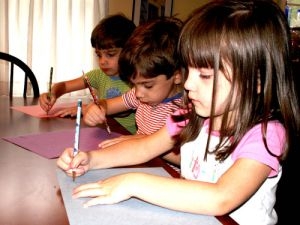 Discover how school readiness programs support children’s independence, confidence, and skills for a successful transition into primary school.
Read More
Discover how school readiness programs support children’s independence, confidence, and skills for a successful transition into primary school.
Read More
 When an Educator is not performing their tasks or responsibilities at best practice, these issues need to be addressed for the Educator to understand where… Read More
 Educators can maximise tax deductions by claiming classroom supplies, training, union fees, and home office costs this financial year.
Read More
Educators can maximise tax deductions by claiming classroom supplies, training, union fees, and home office costs this financial year.
Read More
 A staff appraisal is a formal, systematic process of determining and reviewing the performance of early childhood educators over a period of time, usually a… Read More

Policies are an important part of an early childhood setting. They are a legal requirement...
See more...
A Quality Improvement Plan (QIP) in early childhood education is a structured approach to assessing...
See more...
When playing with things, children are usually attracted to those that are colourful, easily handled...
See more...