



Floorbooks are often associated with preschool and older children, but they can be just as powerful in nursery rooms with babies. While babies may not yet use spoken language, they communicate richly through gestures, facial expressions, sounds, and actions. Floorbooks provide a way for educators to honor these early voices, making learning visible and collaborative from the very beginning.

EYLF Outcome 1 Floorbook prompts for identity, belonging, autonomy, emotional well-being, and empathy. Includes child‑voice questions, educator reflections, group prompts, and page starters.
Outcome 1 of the EYLF focuses on identity: a child’s sense of belonging, autonomy, emotional safety, and connection to others. Floorbooks are a powerful way to capture this learning because they centre children’s voices, make thinking visible, and document identity as it unfolds in real time.

Floor books are an engaging and interactive method of recording and reflecting on children’s learning experiences in early childhood settings. The following article provides information on How To Start Floor Books, How To Document Ongoing Learning In Floor Books, Concept Ideas For Floor Books, Entries Examples For Floor Books, How To Review And Reflect Using Floor Books, How Children Can Use Floor Books and more.

Floorbook is a documentation approach that uses a large book with blank pages for children to record different aspects of their learning in small groups or as a whole group. The following article provides information on the Features Of A Floorbook, Child Centred Approach, How Educators Can Use Floorbooks and more.
 The Children’s Services Award introduces a streamlined classification system and updated pay rates designed to better recognise the skills, qualifications, and responsibilities of early childhood… Read More
 The Children’s Services Award has 8 clear levels. These levels make it easier to understand where you fit, based on your experience, qualifications, and responsibilities.… Read More
 When working as a qualified early childhood teacher (with a university degree) within a service, your rate of pay will come from the Educational Services… Read More
 Diploma-qualified educators play a vital role in early childhood services, taking on responsibilities that range from supporting children’s learning and development to leading rooms and… Read More
 Certificate III qualified educators form the backbone of early childhood services, providing essential care and learning support for children across all settings. Their wages under… Read More
 Early Childhood Teachers (ECTs) play a vital role in leading curriculum and pedagogy in early learning settings. Regulation 272 of the Education and Care Services… Read More
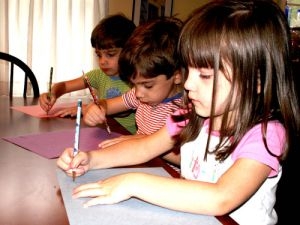 Discover how school readiness programs support children’s independence, confidence, and skills for a successful transition into primary school.
Read More
Discover how school readiness programs support children’s independence, confidence, and skills for a successful transition into primary school.
Read More
 When an Educator is not performing their tasks or responsibilities at best practice, these issues need to be addressed for the Educator to understand where… Read More
 Educators can maximise tax deductions by claiming classroom supplies, training, union fees, and home office costs this financial year.
Read More
Educators can maximise tax deductions by claiming classroom supplies, training, union fees, and home office costs this financial year.
Read More
 A staff appraisal is a formal, systematic process of determining and reviewing the performance of early childhood educators over a period of time, usually a… Read More
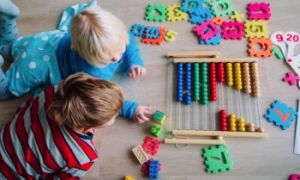
Numeracy encompasses a much wider notion than numbers – it can be understood as the...
See more...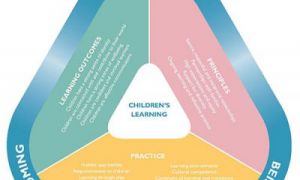
The EYLF is a guide which consists of Principles, Practices and 5 main Learning Outcomes...
See more...
The QIP is more than a compliance document; it’s a living reflection of our service’s journey toward...
See more...