



NSW Health is currently seeing an increase in the number of COVID-19, influenza and respiratory syncytial virus (RSV) cases in ECEC services and is predicting cases to grow over the coming months.
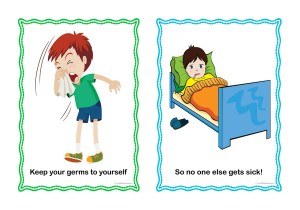
The Germs Posters are visual posters for children to understand how to keep germs to themselves. These are a great reminder for children to stay healthy.

We all know about the common symptoms of COVID 19, which may include a runny nose, fever, and loss of taste and smell. However, the Department of Health of Victoria and NSW are reporting that gastro can also be a symptom of COVID amongst children.
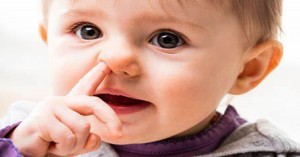
Discover what snot colours mean for children’s health and when exclusion from childcare is truly required, based on official guidelines.
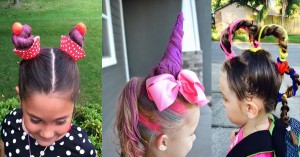
On Friday 29th July go crazy and raise awareness about cystic fibrosis by encouraging children and Educators to wear their craziest hair for the day.
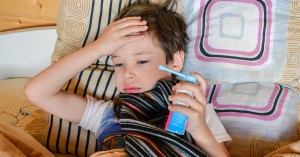
As the winter approaches, while working in a service, Educators and children will be prone to colds and flu this season and with the coronavirus epidemic still, around, symptoms can be similar.
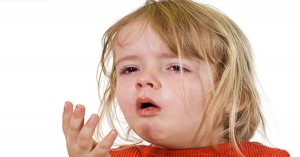
There has been an outbreak of cases of whooping cough across the Hunter region and parents have been urged to keep children at home if they are displaying any symptoms.

SA Healthy Deputy chief medical officer, Associate Professor Nicola Spurrier, confirmed that children attending childcare or preschool had a higher risk of getting more infections than children who do not attend as children's hygiene is not very good which makes infections spread easily.

The spread of certain infectious diseases can be reduced by excluding the child or Educator, known to be infectious, from contact with others who are at risk of catching the infection. The following information details the recommended exclusion periods for infectious diseases. These are based on how long a child/educator with a specific disease is likely to be infectious and to be excluded from the service until they have passed the exclusion period and well enough to return.
 The Children’s Services Award introduces a streamlined classification system and updated pay rates designed to better recognise the skills, qualifications, and responsibilities of early childhood… Read More
 The Children’s Services Award has 8 clear levels. These levels make it easier to understand where you fit, based on your experience, qualifications, and responsibilities.… Read More
 When working as a qualified early childhood teacher (with a university degree) within a service, your rate of pay will come from the Educational Services… Read More
 Diploma-qualified educators play a vital role in early childhood services, taking on responsibilities that range from supporting children’s learning and development to leading rooms and… Read More
 Certificate III qualified educators form the backbone of early childhood services, providing essential care and learning support for children across all settings. Their wages under… Read More
 Early Childhood Teachers (ECTs) play a vital role in leading curriculum and pedagogy in early learning settings. Regulation 272 of the Education and Care Services… Read More
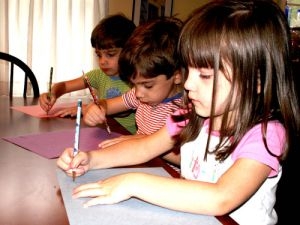 Discover how school readiness programs support children’s independence, confidence, and skills for a successful transition into primary school.
Read More
Discover how school readiness programs support children’s independence, confidence, and skills for a successful transition into primary school.
Read More
 When an Educator is not performing their tasks or responsibilities at best practice, these issues need to be addressed for the Educator to understand where… Read More
 Educators can maximise tax deductions by claiming classroom supplies, training, union fees, and home office costs this financial year.
Read More
Educators can maximise tax deductions by claiming classroom supplies, training, union fees, and home office costs this financial year.
Read More
 A staff appraisal is a formal, systematic process of determining and reviewing the performance of early childhood educators over a period of time, usually a… Read More
The recent tragedy is a stark reminder that compliance alone is not enough. Despite holding...
See more...
Australia is a vibrant and multicultural nation boasting significant cultural and religious diversity, with workplaces...
See more...
A: Observing a child's interest is key to understanding their passions and learning preferences.
See more...