The return from holidays often brings mixed emotions for children: excitement, fatigue, and sometimes hesitation. As educators, we can harness this transitional moment by offering playful provocations: intentional activity setups that spark curiosity, re-energize routines, and invite children back into the joy of learning.
Why Playful Provocations Matter
-
Reconnection: Children re-establish bonds with peers and educators through shared play.
-
Energy release: After holiday indulgence and downtime, active setups help children regulate and refocus.
-
Curiosity ignition: Provocations invite exploration, encouraging children to dive into new ideas and materials.
-
Emotional safety: Gentle, fun setups ease transitions and reduce post-holiday anxiety.
Activity Setups to Try
1. Movement Mazes
Create pathways with cushions, hoops, and low tunnels. Encourage children to navigate, balance, and invent their own routes.
-
Supports gross motor skills
-
Encourages teamwork
-
Releases pent-up energy
2. Sensory Invitations
Offer trays of sand, water beads, or scented playdough with loose parts. Children can squish, sort, and sculpt.
-
Calms overstimulation
-
Promotes fine motor development
-
Invites imaginative storytelling
3. Creative Corners
Set up easels, recycled materials, and collage stations. Add playful prompts like “Can you build a holiday memory?”
-
Fosters self-expression
-
Encourages reflection
-
Connects home and centre experiences
4. Nature Nooks
Bring in branches, leaves, shells, or stones. Invite children to sort, classify, or build mini habitats.
-
Reconnects with environment
-
Supports sustainability values
-
Encourages scientific inquiry
5. Dramatic Play Revamps
Refresh the home corner with “post-holiday” themes—packing suitcases, running a café, or planning a picnic.
-
Builds social skills
-
Encourages role play
-
Supports language development
Tips for Educators
-
Keep it simple: A few well-chosen materials can spark endless play.
-
Observe and adapt: Watch how children engage and adjust provocations accordingly.
-
Celebrate small wins: A child’s smile or shared laugh signals successful re-engagement.
-
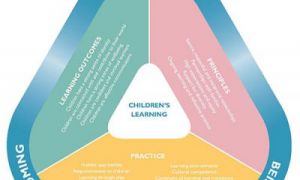
Link to curriculum: Tie provocations to EYLF outcomes, ensuring playful setups also support learning goals.
Playful provocations aren’t just activities; they’re invitations back into community, creativity, and joy. After the holiday break, they help children feel seen, energized, and ready to embrace the rhythm of the year ahead.
Further Reading
Q: How Long Should Room Setups Stay In Place
Interest Areas In A Learning Environment
Interest Area Signs
Interest Area Posters 2.0
Q: How Long Should Room Setups Stay In Place




 The Children’s Services Award introduces a streamlined classification system and updated pay rates designed to better recognise the skills, qualifications, and responsibilities of early childhood
 The Children’s Services Award has 8 clear levels. These levels make it easier to understand where you fit, based on your experience, qualifications, and responsibilities.
 When working as a qualified early childhood teacher (with a university degree) within a service, your rate of pay will come from the Educational Services
 Diploma-qualified educators play a vital role in early childhood services, taking on responsibilities that range from supporting children’s learning and development to leading rooms and
 Certificate III qualified educators form the backbone of early childhood services, providing essential care and learning support for children across all settings. Their wages under
 Early Childhood Teachers (ECTs) play a vital role in leading curriculum and pedagogy in early learning settings. Regulation 272 of the Education and Care Services
 Children need safe and positive environments to learn and grow. To ensure this, services and educators need to ensure effective supervision at all times. The
 Floorbook is a documentation approach that uses a large book with blank pages for children to record different aspects of their learning in small groups
 When an Educator is not performing their tasks or responsibilities at best practice, these issues need to be addressed for the Educator to understand where
 Educators can maximise tax deductions by claiming classroom supplies, training, union fees, and home office costs this financial year.