Childcare phrases made simple: easy words for toys, routines, parent chats & co‑worker small talk to support non‑native English educators.
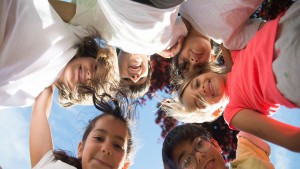
In OOSH services, educators often support children with diverse abilities and needs. Some children may require additional accommodations, such as extra time to join activities, flexibility during group routines, or priority access to certain transitions. While these supports ensure equity, they can sometimes raise questions or frustrations among peers. Educators play a vital role in guiding children toward empathy, understanding, and acceptance.
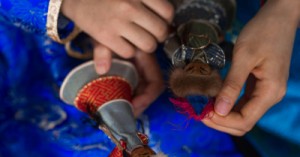
For babies and toddlers, diversity and inclusion play can be nurtured through simple, sensory-rich experiences that introduce different cultures, abilities, and identities in age-appropriate ways. The key is to use everyday play materials—blocks, dolls, songs, and stories that reflect varied backgrounds and abilities—while keeping activities interactive and joyful.

Educators often wonder: Do we need to display something from every culture every day to be inclusive? The answer is no. The EYLF not require a daily checklist of cultural artifacts. Instead, it emphasises creating environments that are inclusive, meaningful, and responsive to the children, families, and communities you serve.
Authentic representation is about embedding diversity across the year and ensuring children see their identities reflected in ways that feel genuine, not tokenistic. This article provides a practical framework for balancing broad diversity with specific cultural representation.

In early childhood education, celebrations like Australia Day, Lunar New Year, Diwali, Harmony Day, etc., often appear on the calendar. While these days can provide rich opportunities for learning, they can also risk becoming tokenistic if acknowledged only through surface-level activities or “because everyone else is doing it.”
The EYLF reminds us that culture is dynamic, evolving, and deeply connected to identity. Authentic celebrations should reflect the lived experiences of children, families, and communities, rather than being limited to one-off events. This explainer supports educators to move beyond tokenism and embed cultural and awareness days into meaningful, ongoing practice.

Calendars are not just tools for marking days—they are cultural narratives that shape identity, belonging, and worldview. In early childhood education, respecting diverse calendars means recognizing that families may follow the Gregorian calendar but also lunar cycles, seasonal markers, or religious observances. For children, seeing their traditions acknowledged validates their identity and builds emotional safety. For educators, embedding diverse calendars into practice enriches curriculum, strengthens family partnerships, and aligns with the NQS focus on cultural competence and inclusion.

Early childhood education thrives on diversity. Multicultural teams bring rich perspectives, lived experiences, and linguistic variety that enhance learning environments for children and educators alike.
In this article, we explore how services can support respectful language use, address feelings of exclusion, and uphold the principles of the Early Years Learning Framework (EYLF) and National Quality Standard (NQS)—without compromising identity or connection.
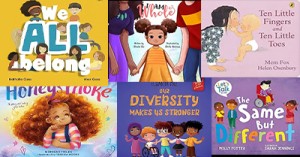
Introducing diversity through books is a fantastic way to help children understand and appreciate different cultures, identities, and perspectives. It provides an opportunity to discuss similarities and differences between children's life and the characters in the book. The following article provides a list of 20 Best Books For Children About Diversity, Main Themes Explored In These Books, Diversity and the NQS and more.

The following article lists 20 Cultural Games, Instructions For Each Game, Benefits Of Teaching Children These Games, Linking To The EYLF and more.
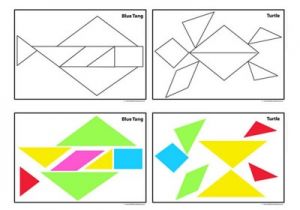
Ocean Animals Tangrams enable children to use tangrams to create ocean animals. The shapes can...
View Worksheet...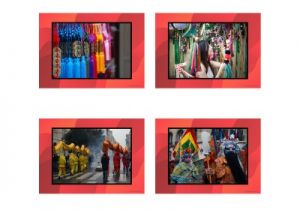
The Chinese New Year Posters show how New Year is celebrated. These images show the...
View Worksheet...