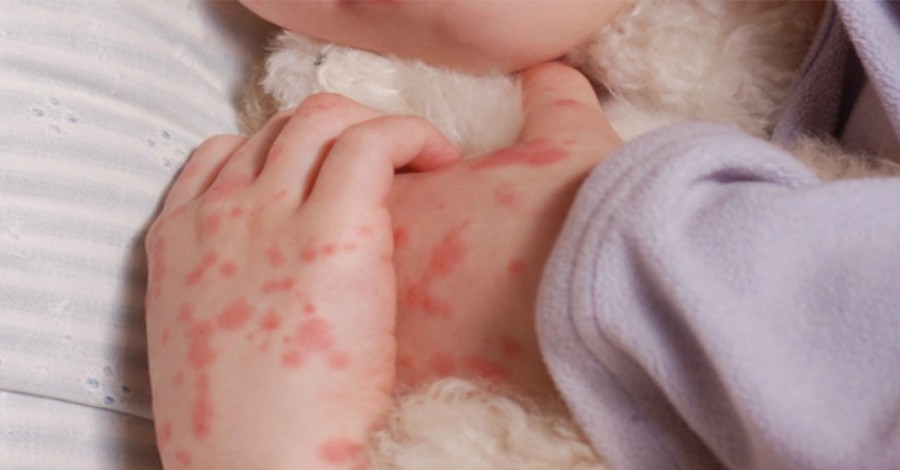
A toddler from metropolitan Adelaide is currently in a serious condition after contracting meningococcal. Fears children from where the toddler attends childcare may also be infected with the disease.
SA Health confirmed that staff attended the childcare service and so far 64 people have been urged to take antibiotics for precautionary measures.
Officials remind parents that a free vaccination against the B strain is now available for children aged six weeks to under four years of age.
Meningococcal disease is a medical emergency, it can turn life-threatening in hours, so early diagnosis and treatment is vital. Do not wait for the purple rash to appear as that is a critical stage of the disease.
Symptoms include:
- fever (which may not go down with medication)
- nausea or vomiting
- lack of energy
- tiredness or drowsiness
- confusion or disorientation
- dizziness
- irritability or agitation
- a sore throat
Symptoms in babies and young children may include irritability, difficulty walking or lethargy, refusal to eat, a high pitched cry, and a bulging fontanelle (soft spot on the top of the head).
Meningococcal disease is caused by bacteria (not by a virus) and transmitted via mucus. It doesn't spread easily from one person to another and the bacteria doesn't survive well outside of the body.
The bacteria are passed between people in the secretions from the back of the nose and throat. This generally requires close and prolonged contact with a person carrying the bacteria who is usually completely well. An example of 'close and prolonged contact' is living in the same household or intimate (deep) kissing. It is not easily spread by sharing drinks or food etc.
Please seek urgent medical advice from your doctor or hospital if you are in any way concerned that a child is presenting symptoms consistent with the meningococcal disease.
Reference:
Crouch, Brad "Two-year-old boy in hospital with meningococcal disease", The Advertiser, 3 October 2018
Meningococcal - The Facts, Meningococcal Australia