


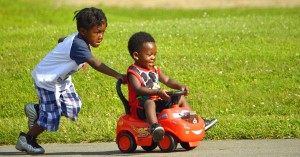
Physical development includes not just the increase in length, height and weight of the child but also the size of organs as well as the development of various reflexes, motor skills, sensations and perceptions. Here is a brief overview of ways in which physical development in the first five years can be linked to EYLF.
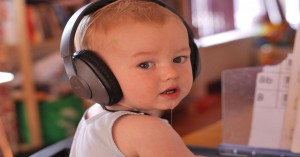
Tremendous advances in brain imaging technology over the last ten years have led to a quantum leap in brain research. Among the research areas most studied by scientists is the effect of musical experiences on the brain development of children. The following article provides information on How Music Enriches Brain Development In Children, Playing Music Vs Listening To Music, Benefits Of Music and more.

Writing ability is one of the more complex literacy skills as it depends on a host of physiological, cognitive and communication developments. The following article provides information on the role of drawing and talking in early writing development.

Brain development is directly related to cognitive development which describes how a child’s intellect grows and includes thinking, learning and problem-solving skills. The following article provides information on the fundamental cognitive milestones of brain development (6 months to 2 years), nature or nurture in brain development, the importance of nutrition in brain development and activities to promote brain development.

It is not uncommon for educators to confide that transitions tend to be the most difficult time in a typical ECEC day. At such times children often display or increase the intensity of challenging behaviours like non-compliance, aggression, biting, and so on. The following provides strategies for dealing with toddler and preschooler's difficult behaviour during transitions.
In almost 20 years, the Center for Disease Control and Prevention (CDC) and the American Academy of Pediatrics (AAP) have updated guidelines for developmental milestones for children. It has been said that earlier the milestones were depicted with 50 per cent accuracy which means there are 50 per cent chances a child may not follow the developmental milestone such as crawling, walking, making sounds, recognising a face, start smiling at a familiar face, etc. Now CDC has updated the milestone with 75 per cent accuracy which helps to track a child's growth against the developmental checklists.
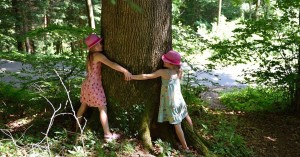
To be familiar with nature, to spend some time amid nature, talking, thinking about trees, grasses, pebbles, climates, small insects, ground warm enhance the resilience and self-esteem of a child.
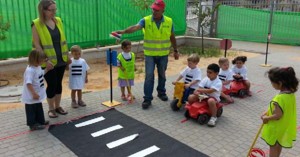
One of the most important concepts we can introduce to children is road safety. Road safety awareness can help to reduce the risk of serious injury among young children by assisting them to develop skills, knowledge and behaviour about the safe use of roads. The following article provides information on Road Safety Skills For Children, Teaching Children About Road Safety Rules, Fun Road Safety Experiences For Children, Road Safety Songs and Rhymes and more.
John Dewey is often seen as the proponent of learning by doing – rather than learning by passively receiving. He believed that each child was active, inquisitive and wanted to explore. He believed that children need to interact with other people, and work both alone and cooperatively with their peers and adults. The following provides information about John Dewey, Definition Of The Curriculum, Main Features Of Dewy's Theory of Education, Progressive Education and Dewey's Theories In Practice.

As Educators when communicating with Parents (through verbal or non-verbal communication), there will be times where we need to discuss issues or concerns that may arise. During this time, we may use negatives to describe the child's behavioural or personality traits (weaknesses) that they may be displaying. However, these weaknesses are hidden strengths, forming the chid's unique personality and abilities.
 Open ended questions cannot be responded to with one word answers such as yes or no. These types of questions enables a child to provide… Read More
 During your child’s preschool years, an important milestone begins to emerge. This is the development of pre-writing skills. Pre-writing skills are used to encourage, develop… Read More
 An Acknowledgment of the Country is a way of showing respect for the Traditional Owners and can be given by both non-Indigenous people and Aboriginal… Read More
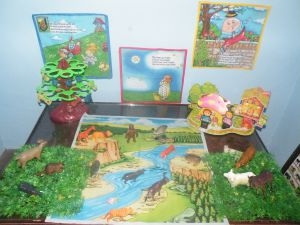 Open ended materials enables children to play freely. They are objects that have no rules to follow, use or function. Raw materials that can be… Read More
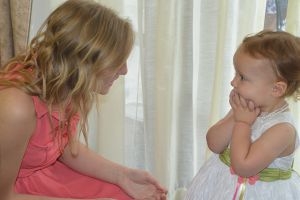 Language plays an important role in a child’s development. It enables a child to communicate effectively with their family, learn at school, socialize with friends,… Read More
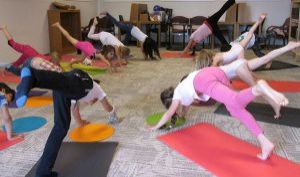 Like adults, children have to deal with their own stress in life. Moving house, starting a new school, preparing for a new sibling - these are… Read More
 Playdough is such a versatile material. It provides numerous benefits to children as they manipulate it, it is safe and soothing and provides children with… Read More
 Teaching children about sustainability enables them to appreciate and respect the natural environment. Early childhood services can provide meaningful hand on learning experiences in order… Read More
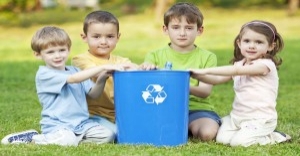 Recycling is an important concept that teaches children to care for the environment. It encourages children to be responsible and show a growing appreciating for… Read More
 Incursions provide children with the opportunity to explore meaningful learning experiences in the comfort of their early childhood service. The following provides a directory of… Read More
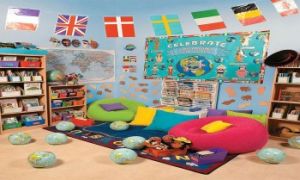
Learning environments are spaces that facilitate the all-round development of children through developmentally appropriate routines...
See more...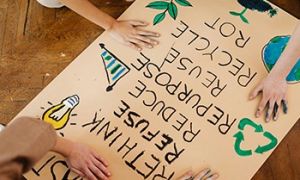
The following lists reflection questions designed to help educators reflect on how sustainability is embedded into their...
See more...
Reggio Emilia documentation is a cornerstone of the Reggio philosophy. It’s not just record-keeping—it’s a...
See more...