


A Curiosity Approach environment fosters exploration, creativity, and sensory-rich experiences, making learning feel natural and engaging. Here are some additional ideas to enhance your nursery room setup.
When we talk about programming and planning for babies in early childhood, we’re really delving into a thoughtful approach that values infants’ rapid developmental growth, emotional needs, and emerging personalities. Australian early childhood education has evolved to recognize that even the very youngest need intentional, responsive programming embedded in a secure, nurturing environment. Here are some key aspects to consider.
Documenting infant and toddler learning is a vital practice that captures the essence of their developmental journey. It involves observing, recording, and reflecting on their actions, interactions, and milestones to make their learning visible. The following article provides information on: Importance Of Documenting Infant and Toddler Learning and Development, Showcasing Infants and Toddlers Learning and Development, Documenting Infant and Toddler Milestones, Linking Infant and Toddler Learning To The EYLF and more.

Achieving EYLF Outcome 5—Children Are Effective Communicators—in the Babies Room focuses on fostering foundational communication skills in the youngest learners. In an environment where babies largely communicate non-verbally, educators play a crucial role in creating opportunities for both expressive and receptive language development. Here’s how you can integrate practices that support this outcome in the Babies Room.
The following provides a list of outdoor activities for babies and toddlers that promote sensory exploration and interaction with the natural environment. It also includes linking to the EYLF and the benefits of outdoor play for babies and toddlers.
EYLF Outcome 4: Children Are Confident and Involved Learners, focuses on fostering children's confidence and involvement as learners. The following article provides information on Strategies To Achieve Outcome 4 With Babies, Goals For Babies To Acheive EYLF Outcome 4, Example Activities That Link With Outcome 4 For Babies, and more.

Achieving EYLF Outcome 3: Children Have a Strong Sense Of Wellbeing, in the babies' room focuses on fostering a strong sense of well-being in infants. The following article provides information on Strategies To Achieve Outcome 3 With Babies, Goals For Babies To Acheive EYLF Outcome 3, Example Activities That Link With Outcome 3 For Babies, and more.
Caring for babies in their gross motor development stage involves encouraging activities that promote strength, coordination, and balance. The following article provides information on Strategies For Supporting Babies In Their Gross Motor Development, How To Encourage Sitting Unsupported, Structured Activities To Encourage Babies Gross Motor Development, and more.
Achieving EYLF Outcome 2: Children Are Connected With And Contribute To Their World in the babies' room developing a sense of connectedness and contribution to their world. The following article provides information on Strategies To Achieve Outcome 2 With Babies, Goals For Babies To Acheive EYLF Outcome 2, Example Activities That Link With Outcome 2 For Babies, and more.
Achieving EYLF Outcome 1: Children have a strong sense of identity in the babies' room involves creating an environment where each child feels safe, secure, and supported. The following article provides information on Strategies To Achieve Outcome 1 With Babies, Goals For Babies To Acheive EYLF Outcome 1, Example Activities That Link With Outcome 1 For Babies, and more.
 Open ended questions cannot be responded to with one word answers such as yes or no. These types of questions enables a child to provide… Read More
 During your child’s preschool years, an important milestone begins to emerge. This is the development of pre-writing skills. Pre-writing skills are used to encourage, develop… Read More
 An Acknowledgment of the Country is a way of showing respect for the Traditional Owners and can be given by both non-Indigenous people and Aboriginal… Read More
 Open ended materials enables children to play freely. They are objects that have no rules to follow, use or function. Raw materials that can be… Read More
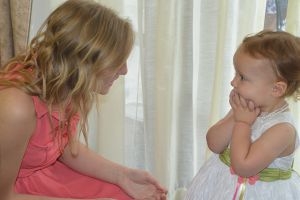 Language plays an important role in a child’s development. It enables a child to communicate effectively with their family, learn at school, socialize with friends,… Read More
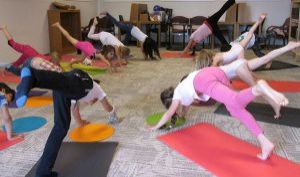 Like adults, children have to deal with their own stress in life. Moving house, starting a new school, preparing for a new sibling - these are… Read More
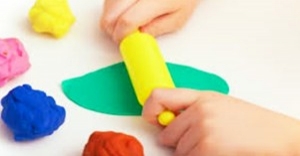 Playdough is such a versatile material. It provides numerous benefits to children as they manipulate it, it is safe and soothing and provides children with… Read More
 Teaching children about sustainability enables them to appreciate and respect the natural environment. Early childhood services can provide meaningful hand on learning experiences in order… Read More
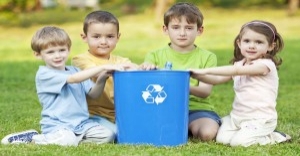 Recycling is an important concept that teaches children to care for the environment. It encourages children to be responsible and show a growing appreciating for… Read More
 Incursions provide children with the opportunity to explore meaningful learning experiences in the comfort of their early childhood service. The following provides a directory of… Read More
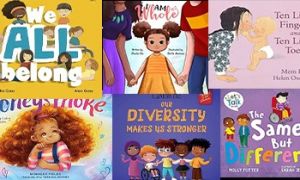
Introducing diversity through books is a fantastic way to help children understand and appreciate different cultures...
See more...
Quality Area 5 of the National Quality Standard focuses on educators developing responsive, warm, trusting...
See more...
As national reforms tighten mobile phone use in early childhood education and care (ECEC) settings...
See more...