


School readiness means independence, confidence, curiosity, resilience, and relationships—skills that help preschoolers thrive in classrooms.

Preschool readiness goes beyond reciting letters or numbers; educators focus on curiosity, resilience, and real learning for school success.
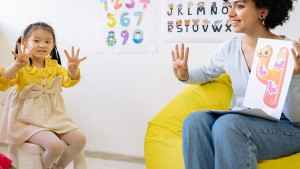
Is a school readiness program necessary? Explore how skills and dispositions are built through play, programs, and balanced approaches in early childhood.
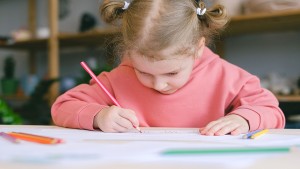
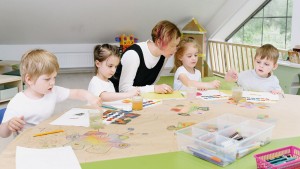
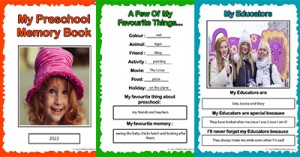
The “My Preschool Memory Book” is a heartfelt end-of-year keepsake designed to honour each child’s unique early learning journey. This 6-page portfolio template helps educators capture meaningful moments, relationships, and milestones as children prepare to transition from preschool to kindergarten.

Kindergarten is a joyful and important year in your child’s learning journey. It builds the foundation for school readiness through play, relationships, and exploration. But every child develops at their own pace—and readiness isn’t just about knowing letters or numbers. This factsheet offers a holistic view of what “readiness” might look like, helping you reflect on your child’s strengths, needs, and personality.

In early childhood education, the phrase “school readiness” often conjures images of children sitting quietly at tables, practicing handwriting or phonics. But this narrow view overlooks the rich, embodied ways that young children learn. As research and practice continue to affirm, four-year-olds don’t need to sit still to be ready for school, they need to move, explore, and play.
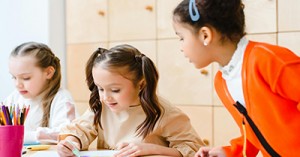
The transition from preschool to kindergarten isn’t just academic—it’s deeply social. As children move from parallel play to collaborative learning, they begin to form friendships, navigate conflict, and express their unique identities. These social and personal skills are the bedrock of emotional wellbeing and school readiness.
In early childhood education, the decision to defer a child’s school entry by a year is often framed as “staying back.” But educators across Australia are challenging this language, advocating instead for a strengths-based perspective: sending children when they are developmentally ready.
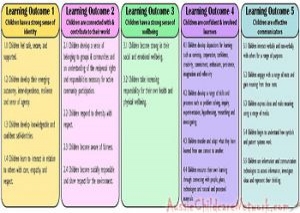 Here is the list of the EYLF Learning Outcomes that you can use as a guide or reference for your documentation and planning. The EYLF… Read More
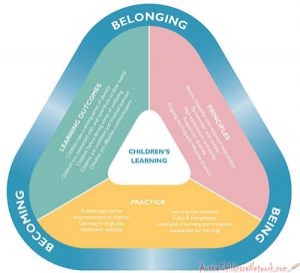 The EYLF is a guide which consists of Principles, Practices and 5 main Learning Outcomes along with each of their sub outcomes, based on identity,… Read More
 This is a guide on How to Write a Learning Story. It provides information on What Is A Learning Story, Writing A Learning Story, Sample… Read More
 One of the most important types of documentation methods that educators needs to be familiar with are “observations”. Observations are crucial for all early childhood… Read More
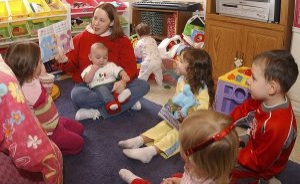 To support children achieve learning outcomes from the EYLF Framework, the following list gives educators examples of how to promote children's learning in each individual… Read More
 Reflective practice is learning from everyday situations and issues and concerns that arise which form part of our daily routine while working in an early… Read More
 When observing children, it's important that we use a range of different observation methods from running records, learning stories to photographs and work samples. Using… Read More
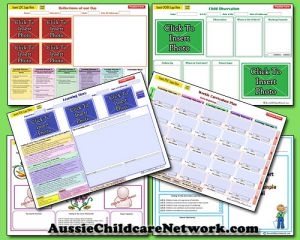 Within Australia, Programming and Planning is reflected and supported by the Early Years Learning Framework. Educators within early childhood settings, use the EYLF to guide… Read More
 This is a guide for educators on what to observe under each sub learning outcome from the EYLF Framework, when a child is engaged in… Read More
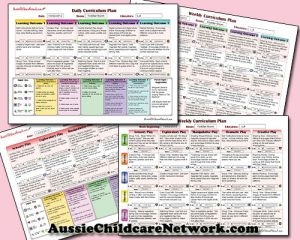 The Early Years Learning Framework describes the curriculum as “all the interactions, experiences, activities, routines and events, planned and unplanned, that occur in an environment… Read More
Discover free virtual excursions worldwide—explore museums, zoos, landmarks, and space tours to enrich children’s learning...
See more...
When unraveling whether a candidate has shortcut their Early Childhood Education (ECE) training, structured interviews...
See more...
Work Health and Safety (WHS) is a core pillar of quality practice in early childhood...
See more...