


Emotional regulation refers to the ability to recognize, understand, and manage one's emotions in a way that is appropriate for the situation. It involves strategies and skills that help individuals control their emotional reactions, maintain balance, and respond to challenges constructively. The following article provides 30 fun and effective emotional regulation activities designed for children aged 2–4 years to help them understand and manage their feelings.
Emotional Intelligence is now widely accepted as a fundamental life skill which can be nurtured even in young children. Identifying, labelling and talking about emotions not only helps them regulate their own emotions but also tune in to how people are feeling around them. The following article provide strategies on teaching children about emotions.

Creating a supportive environment where children feel safe to express their emotions is crucial for their emotional and social development. The following article provides information for Strategies To Encourage Children To Express Emotions Activities For Toddlers and Preschoolers, Emotion Vocabulary, Activities to Build Emotion Vocabulary, Activities to Build Emotion Vocabulary, What To Do When A Child Is Angry, What To Do When A Child Is Being Violent/Aggressive, What To Do If A Child Hits You, Alternative Behaviours and more.
This feelings rhyme is sung in the tune of "I'm A Little Teapot" and is simple for both toddlers and preschoolers. It describes facial features when someone is happy and sad.

This song is a fun way for kids to learn how to identify and regulate their emotions.

This action song names feelings that children may have. It also includes actions for children to do during the song. This is great for children to name feelings that they may experience.

This is an easy song, especially for young children, that enables them to identify different emotions and how we respond to those emotions. This song enables children to act out different feelings throughout the song.

These sets of feelings flashcards provides a visual representation of a specific feeling. They can be used as a tool to teach children to recognise and identify feelings and can be helpful in supporting a child to express and share their feelings.
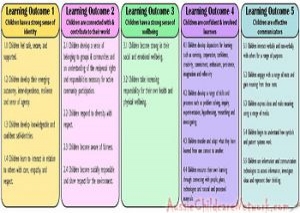 Here is the list of the EYLF Learning Outcomes that you can use as a guide or reference for your documentation and planning. The EYLF… Read More
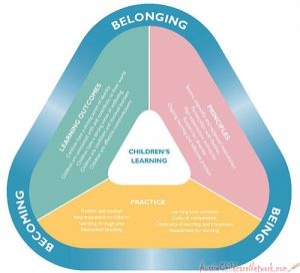 The EYLF is a guide which consists of Principles, Practices and 5 main Learning Outcomes along with each of their sub outcomes, based on identity,… Read More
 This is a guide on How to Write a Learning Story. It provides information on What Is A Learning Story, Writing A Learning Story, Sample… Read More
 One of the most important types of documentation methods that educators needs to be familiar with are “observations”. Observations are crucial for all early childhood… Read More
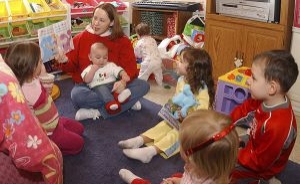 To support children achieve learning outcomes from the EYLF Framework, the following list gives educators examples of how to promote children's learning in each individual… Read More
 Reflective practice is learning from everyday situations and issues and concerns that arise which form part of our daily routine while working in an early… Read More
 When observing children, it's important that we use a range of different observation methods from running records, learning stories to photographs and work samples. Using… Read More
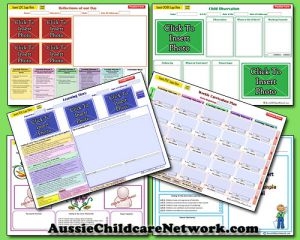 Within Australia, Programming and Planning is reflected and supported by the Early Years Learning Framework. Educators within early childhood settings, use the EYLF to guide… Read More
 This is a guide for educators on what to observe under each sub learning outcome from the EYLF Framework, when a child is engaged in… Read More
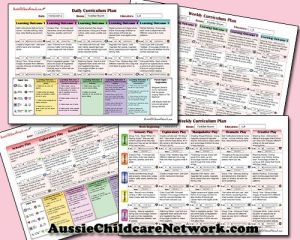 The Early Years Learning Framework describes the curriculum as “all the interactions, experiences, activities, routines and events, planned and unplanned, that occur in an environment… Read More
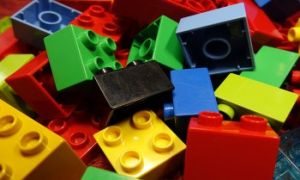
Lego and Building Blocks are a favourite activity for young children. From toddlers, they start...
See more...
Transitions are one of the most vulnerable times in OSHC programs. Children move between spaces...
See more...
When working as a qualified early childhood teacher (with a university degree) within a service...
See more...