



Rediscover your spark in early childhood education—reset mindset, protect energy, and reignite passion for teaching.

Micro Resets posters give educators quick wellbeing rituals — simple daily practices to pause, restore energy, and support staffroom culture.

The “runny nose test", introduced by former police officer and now early education CEO Kim Clifton, suggests that families can judge a centre’s attentiveness by observing how educators respond to small, everyday needs. The idea is simple: if educators notice and respond to small, everyday needs, like wiping a child’s nose, they demonstrate attentiveness and care.
The myth of the perfect program: why flexibility, reflection, and child‑led learning matter more than flawless plans in early childhood.

Discover strategies for educators to stay positive and resilient when workplace recognition feels absent or uneven.




The Responsible Person ensures daily compliance, safety, and leadership in childcare services.

Programming time is a cornerstone of quality practice in early childhood education. The Children’s Services Award guarantees educators and teachers responsible for planning and documenting learning experiences a minimum of two hours of non-contact time each week. This entitlement recognises that programming is not an “extra” task but a professional responsibility essential for compliance, reflection, and supporting children’s development.
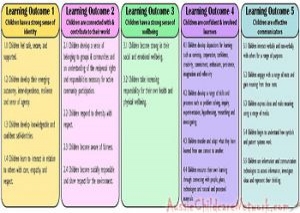 Here is the list of the EYLF Learning Outcomes that you can use as a guide or reference for your documentation and planning. The EYLF… Read More
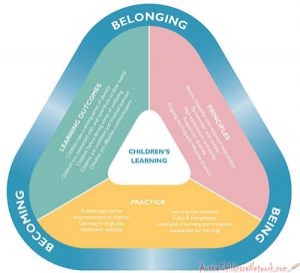 The EYLF is a guide which consists of Principles, Practices and 5 main Learning Outcomes along with each of their sub outcomes, based on identity,… Read More
 This is a guide on How to Write a Learning Story. It provides information on What Is A Learning Story, Writing A Learning Story, Sample… Read More
 One of the most important types of documentation methods that educators needs to be familiar with are “observations”. Observations are crucial for all early childhood… Read More
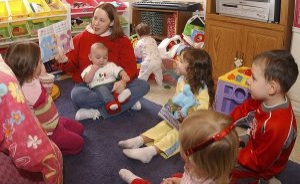 To support children achieve learning outcomes from the EYLF Framework, the following list gives educators examples of how to promote children's learning in each individual… Read More
 Reflective practice is learning from everyday situations and issues and concerns that arise which form part of our daily routine while working in an early… Read More
 When observing children, it's important that we use a range of different observation methods from running records, learning stories to photographs and work samples. Using… Read More
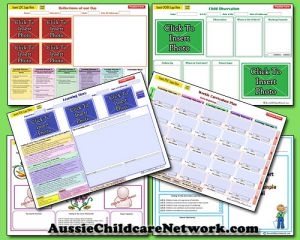 Within Australia, Programming and Planning is reflected and supported by the Early Years Learning Framework. Educators within early childhood settings, use the EYLF to guide… Read More
 This is a guide for educators on what to observe under each sub learning outcome from the EYLF Framework, when a child is engaged in… Read More
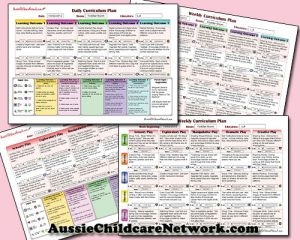 The Early Years Learning Framework describes the curriculum as “all the interactions, experiences, activities, routines and events, planned and unplanned, that occur in an environment… Read More
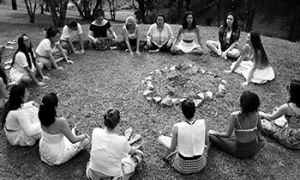
Sharing circles are a powerful tool for fostering collaboration, reflection, and connection among educators in...
See more...
The theme of this year's Children's Week is Article 24 of the United Nations Convention...
See more...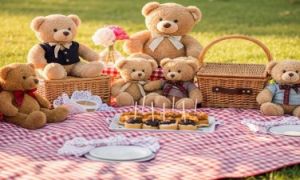
Capture joyful moments with creative photo ideas for Teddy Bear Picnic afternoon tea.
See more...