



Becoming an effective leader in early childhood education requires mastering a blend of communication, organizational, and relationship-building skills. Here’s how educational leaders can develop and enhance their leadership abilities.

Reflective teaching helps educators refine their approaches, understand children’s needs, and foster a culture of continuous growth. This guide provides discussion prompts to support meaningful reflection and professional development.

Reflective practice is essential for continuous growth in early childhood education. As a leader, fostering a culture of self-reflection helps educators refine their teaching methods, identify strengths, and enhance their impact on children’s learning experiences. Here's how to lead reflective practices effectively and an example of reflective practice in action.

Engaging families in early learning is crucial for fostering a collaborative environment that supports children's development. Here are some practical strategies on how to get families involved in their child's learning.

Providing constructive feedback is an essential skill for fostering growth, trust, and improvement. Here’s a structured guide to help you deliver feedback effectively.

This article focuses on providing actionable strategies and practical techniques for educational leaders to effectively mentor their team members in early childhood services. It emphasizes fostering professional growth and building confidence, which are essential for cultivating a strong, collaborative, and motivated team.
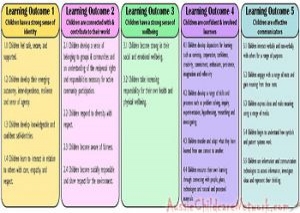 Here is the list of the EYLF Learning Outcomes that you can use as a guide or reference for your documentation and planning. The EYLF… Read More
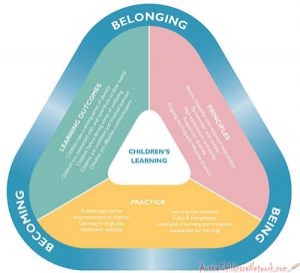 The EYLF is a guide which consists of Principles, Practices and 5 main Learning Outcomes along with each of their sub outcomes, based on identity,… Read More
 This is a guide on How to Write a Learning Story. It provides information on What Is A Learning Story, Writing A Learning Story, Sample… Read More
 One of the most important types of documentation methods that educators needs to be familiar with are “observations”. Observations are crucial for all early childhood… Read More
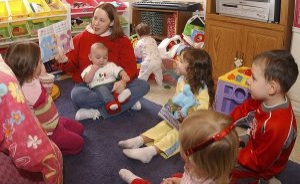 To support children achieve learning outcomes from the EYLF Framework, the following list gives educators examples of how to promote children's learning in each individual… Read More
 Reflective practice is learning from everyday situations and issues and concerns that arise which form part of our daily routine while working in an early… Read More
 When observing children, it's important that we use a range of different observation methods from running records, learning stories to photographs and work samples. Using… Read More
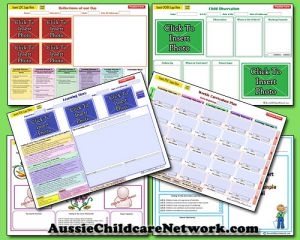 Within Australia, Programming and Planning is reflected and supported by the Early Years Learning Framework. Educators within early childhood settings, use the EYLF to guide… Read More
 This is a guide for educators on what to observe under each sub learning outcome from the EYLF Framework, when a child is engaged in… Read More
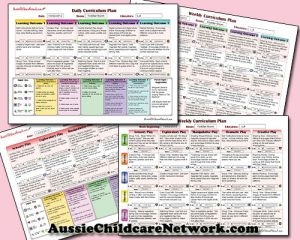 The Early Years Learning Framework describes the curriculum as “all the interactions, experiences, activities, routines and events, planned and unplanned, that occur in an environment… Read More
National Recycling Week is held on the 13th - 19th Of November. The following provides National...
See more...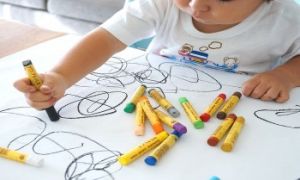
Belonging, Being and Becoming: The Early Years Learning Framework for Australia embeds art in many significant...
See more...
A: Employers must give at least 7 days’ notice for changes to rosters, including meeting...
See more...