


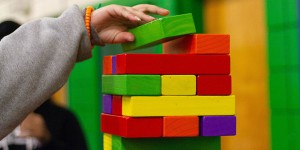
Children are more likely to be confident and involved learners when their family and community experiences and understandings are recognised and included in the early childhood setting. The following article provides activities to promote each of the sub-outcomes of EYLF Outcome 4 - Children Are Confident And Involved Learners.
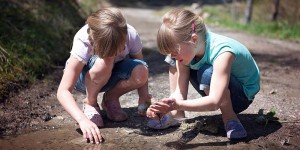
A strong sense of well-being provides children with confidence and optimism which maximises their learning potential. It encourages the development of children’s innate exploratory drive, a sense of agency and a desire to interact with others. Well-being includes good physical health, feelings of happiness, satisfaction and successful social functioning. It influences the way children interact in their environments. The following article provides activities to promote each of the sub outcomes of EYLF Outcome 3 - Children Have A Strong Sense of Wellbeing.
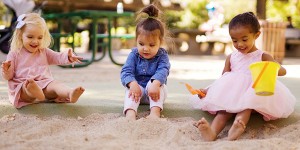
When children move into early childhood settings they broaden their experiences as participants in different relationships and communities. When educators create environments in which children experience mutually enjoyable, caring and respectful relationships with people and the environment, children respond accordingly. The following article provides activities to promote each of the sub outcomes of EYLF Outcome 2: Children Are Connected With And Contribute To Their World.

When children feel safe, secure and supported they grow in confidence to explore and learn. In early childhood settings children develop a sense of belonging when they feel accepted, develop attachments and trust those that care for them. As children are developing their sense of identity, they explore different aspects of it (physical, social, emotional, spiritual, and cognitive), through their play and their relationships. The following article provides activities to promote each of the sub outcomes of EYLF Outcome 1: Children Have A Strong Sense Of Identity.
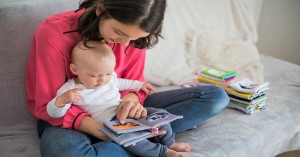
The Early Years Learning Framework outlines a set of eight pedagogical practices for educators to draw upon to promote children’s learning. These practices range from macro aspects like building relationships and curriculum decision-making to daily interventions like teaching and learning. The following article provides information on each of the 8 Practices and examples of how to implement the eylf practices into your service.
The Early Years Learning Framework outlines five principles that reflect contemporary theories and research evidence concerning children’s learning and early childhood pedagogy. These principles are meant to underpin practice so that all children are supported to make progress in relation to the Learning Outcomes. The following article provides information on each of the 5 Principles and examples of strategies of how to implement the eylf principles into your service.
From January to March 2022, potential updates to the Early Years Learning Framework for Australia (EYLF) and My Time Our Place: Framework for School Age Care in Australia (MTOP) were piloted in 16 early childhood education and care services across Australia.
Physical development includes not just the increase in length, height and weight of the child but also the size of organs as well as the development of various reflexes, motor skills, sensations and perceptions. Here is a brief overview of ways in which physical development in the first five years can be linked to EYLF.

According to the Educators’ Guide to the Early Years Learning Framework, documentation is the practice of recording and creating evidence of learning and the learning progress, helping make it visible. Though documentation is mandated to meet regulatory and pedagogical purposes, there are no prescriptive rules about how it may be done. The following article provides strategies for documenting in an early childhood setting.

Respect for Diversity is one of the main principles that underpin the Belonging, Becoming and Being: Early Years Learning Framework for Australia. Thus it is mandatory for services and educators to use practice that incorporates diverse cultures, especially in monocultural classrooms where opportunities for practice diversity can appear limited. Here are some examples of ways diverse cultures can be embedded in everyday practice.
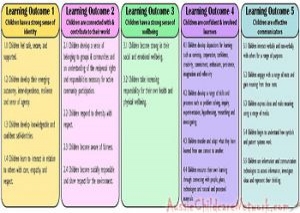 Here is the list of the EYLF Learning Outcomes that you can use as a guide or reference for your documentation and planning. The EYLF… Read More
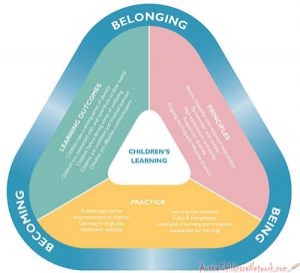 The EYLF is a guide which consists of Principles, Practices and 5 main Learning Outcomes along with each of their sub outcomes, based on identity,… Read More
 This is a guide on How to Write a Learning Story. It provides information on What Is A Learning Story, Writing A Learning Story, Sample… Read More
 One of the most important types of documentation methods that educators needs to be familiar with are “observations”. Observations are crucial for all early childhood… Read More
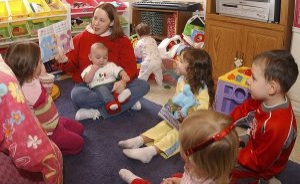 To support children achieve learning outcomes from the EYLF Framework, the following list gives educators examples of how to promote children's learning in each individual… Read More
 Reflective practice is learning from everyday situations and issues and concerns that arise which form part of our daily routine while working in an early… Read More
 When observing children, it's important that we use a range of different observation methods from running records, learning stories to photographs and work samples. Using… Read More
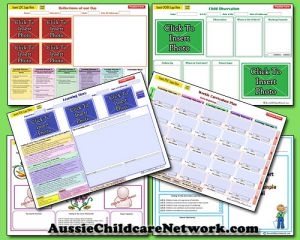 Within Australia, Programming and Planning is reflected and supported by the Early Years Learning Framework. Educators within early childhood settings, use the EYLF to guide… Read More
 This is a guide for educators on what to observe under each sub learning outcome from the EYLF Framework, when a child is engaged in… Read More
 The Early Years Learning Framework describes the curriculum as “all the interactions, experiences, activities, routines and events, planned and unplanned, that occur in an environment… Read More

Across early childhood services, themed days like Pyjama Day are often introduced to create excitement...
See more...
Bounce Cards are designed for OSHC Educators to go with you, wherever your OSHC children...
See more...
Q: A strengths-based approach focuses on what children can do, rather than what they lack...
See more...