


In early childhood education, the words we choose shape how learning is seen, valued, and shared. The EYLF gives us a powerful framework but in the rush of daily practice, it’s easy to lose confidence in linking outcomes or finding the right language to describe children’s learning. That’s where keywords and prompts become transformative.
Using consistent, purposeful language helps educators capture learning clearly and confidently. It supports teams to analyse observations with depth, link meaningfully to outcomes, and plan follow‑ups that honour each child’s identity, culture, and capabilities. Most importantly, it keeps documentation manageable, intentional, and child‑centred.
This article explores how EYLF‑aligned keywords and prompts can streamline your observation cycle, strengthen reflective practice, and bring clarity to everyday planning.

Documentation walls are more than displays—they are living narratives of children’s learning, identity, and community. When aligned with the Early Years Learning Framework (EYLF), they become powerful tools for reflection, family engagement, and sector advocacy. Below are modular, emotionally intelligent wall concepts for each of the five EYLF Learning Outcomes, adaptable to your centre’s style, cultural symbolism, and children’s voices.

Strengths-based documentation is more than a compliance tool, it’s a way of honouring children’s voices, identities, and learning journeys. By mapping affirming, child-centered phrases directly to the EYLF Learning Outcomes, educators can embed the framework naturally into observations, induction processes, and audit preparation. This guide offers a practical cheat sheet tailored to infants, toddlers, and preschoolers, supporting emotionally intelligent practice and sector well-being.
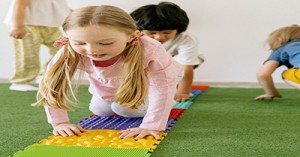
Outcome 3 of the EYLF, Children have a strong sense of well-being, which reminds us that physical health and emotional safety are deeply connected. In early childhood, well-being is expressed through movement, rest, nutrition, emotional regulation, and trusting relationships. The following article translates the outcome into simplified language to support educators in recognising and documenting moments where children care for their bodies, express their feelings, and build resilience.
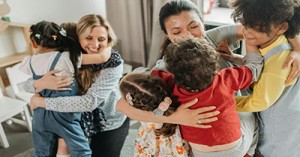
Outcome 2 of the EYLF—Children are connected with and contribute to their world—reminds us that belonging is not just about being present but about feeling valued, included, and empowered to make a difference. The following article translates the outcome into simplified language to support educators in recognising and documenting moments of empathy, cooperation, and community-building.

A child’s sense of identity is the foundation for all learning, relationships, and wellbeing. Outcome 1 of the EYLF Children have a strong sense of identity reminds us that when children feel safe, seen, and valued, they begin to explore who they are and how they belong. The following article translates the outcome into simplified language to support educators in recognising identity-building moments, responding with emotional intelligence, and documenting children’s growth in ways that are meaningful for families and respectful of each child’s unique story.
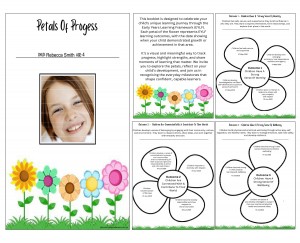
This booklet can be used to track individual progress.
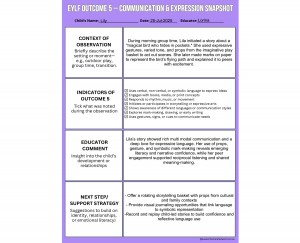
This template can be used as an observation template.
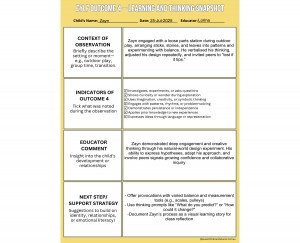
This template can be used as an observation template.
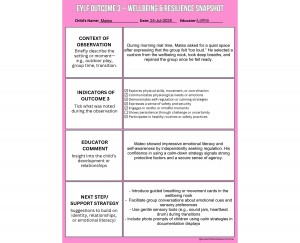
This template is to be used as an observation.
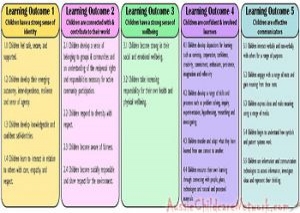 Here is the list of the EYLF Learning Outcomes that you can use as a guide or reference for your documentation and planning. The EYLF… Read More
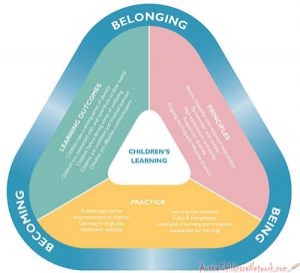 The EYLF is a guide which consists of Principles, Practices and 5 main Learning Outcomes along with each of their sub outcomes, based on identity,… Read More
 This is a guide on How to Write a Learning Story. It provides information on What Is A Learning Story, Writing A Learning Story, Sample… Read More
 One of the most important types of documentation methods that educators needs to be familiar with are “observations”. Observations are crucial for all early childhood… Read More
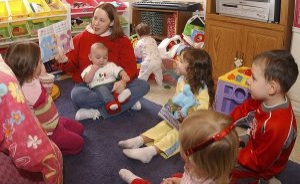 To support children achieve learning outcomes from the EYLF Framework, the following list gives educators examples of how to promote children's learning in each individual… Read More
 Reflective practice is learning from everyday situations and issues and concerns that arise which form part of our daily routine while working in an early… Read More
 When observing children, it's important that we use a range of different observation methods from running records, learning stories to photographs and work samples. Using… Read More
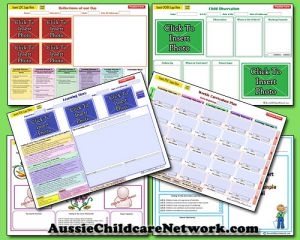 Within Australia, Programming and Planning is reflected and supported by the Early Years Learning Framework. Educators within early childhood settings, use the EYLF to guide… Read More
 This is a guide for educators on what to observe under each sub learning outcome from the EYLF Framework, when a child is engaged in… Read More
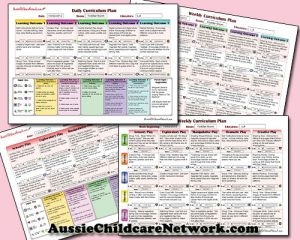 The Early Years Learning Framework describes the curriculum as “all the interactions, experiences, activities, routines and events, planned and unplanned, that occur in an environment… Read More

Every time a shocking case of child abuse surfaces, the sector braces for another wave...
See more...
Celebrating children’s achievements in early childhood is crucial for their development and self-esteem.
See more...
Creative process art photo ideas for childcare educators to inspire exploration and creativity.
See more...