


From the moment babies begin to drop spoons from their highchair to the elaborate delivery services preschoolers invent with carts and clipboards, children are engaging in schematic play. These repeated patterns of exploration, transporting, locating, seriation, combining, collecting, enveloping, and rotating are how children make sense of the world. Too often, adults misinterpret these actions as “messy” or “naughty.” In reality, they are the building blocks of mastery, innovation, and confidence. Our role as educators is to step back, observe, and scaffold, not interrupt.

The Connection Schema is a cognitive play pattern where children explore how things join, fasten, and separate.

Rotation schema refers to a pattern of engagement where spinning, twirling, and circular motions tap into a child's innate fascination with movement and rhythm. It’s a developmental window into how children explore and understand the world around them.

The trajectory schema is one of the key patterns observed in schematic play, where children explore movement—particularly the paths objects take when they are thrown, dropped, or otherwise in motion.

Schematic play refers to repeated patterns of behavior that children exhibit as they explore the world around them. These behaviors, known as schemas, are essential for understanding how things work and for brain development. The following article provides information on Nine Schemas in Young Children's Play, How To Encourage Schematic Play, Activity Ideas For Schema Play and more.

Supporting schemas through meaningful and engaging experiences helps nurture children’s natural learning processes. The following article provides activity ideas for incorporating schema-focused activities into the learning environment.

Schemas are patterns of repeated behavior that allow children to explore and express developing ideas and thoughts through their play and exploration. The following article provides information on Types Of Schemas, Benefits Of Schemas, Why Schemas Are Important, Supporting Children In Their Schemas, Difference Between Schemas and Developmental Milestones, Observing Schemas, Linking Schemas To EYLF and more.
 The Children’s Services Award introduces a streamlined classification system and updated pay rates designed to better recognise the skills, qualifications, and responsibilities of early childhood… Read More
 The Children’s Services Award has 8 clear levels. These levels make it easier to understand where you fit, based on your experience, qualifications, and responsibilities.… Read More
 When working as a qualified early childhood teacher (with a university degree) within a service, your rate of pay will come from the Educational Services… Read More
 Diploma-qualified educators play a vital role in early childhood services, taking on responsibilities that range from supporting children’s learning and development to leading rooms and… Read More
 Certificate III qualified educators form the backbone of early childhood services, providing essential care and learning support for children across all settings. Their wages under… Read More
 Early Childhood Teachers (ECTs) play a vital role in leading curriculum and pedagogy in early learning settings. Regulation 272 of the Education and Care Services… Read More
 Discover how school readiness programs support children’s independence, confidence, and skills for a successful transition into primary school.
Read More
Discover how school readiness programs support children’s independence, confidence, and skills for a successful transition into primary school.
Read More
 When an Educator is not performing their tasks or responsibilities at best practice, these issues need to be addressed for the Educator to understand where… Read More
 Educators can maximise tax deductions by claiming classroom supplies, training, union fees, and home office costs this financial year.
Read More
Educators can maximise tax deductions by claiming classroom supplies, training, union fees, and home office costs this financial year.
Read More
 A staff appraisal is a formal, systematic process of determining and reviewing the performance of early childhood educators over a period of time, usually a… Read More

A staff appraisal is a formal, systematic process of determining and reviewing the performance of...
See more...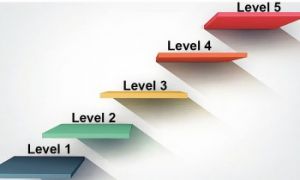
For ECT's working in early childhood services, they are on the Educational Services Teachers Award...
See more...
Early childhood services must meet compliance under national law; know the roles of Nominated Supervisor...
See more...