


Children love bright colours. Rainbow science experiments engage curiosity, teach absorption, density, and refraction, and make learning fun.
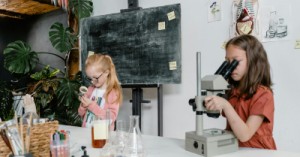
Create inspiring science and nature areas in childcare with photo ideas, practical setups, and engaging activities to spark curiosity and learning.
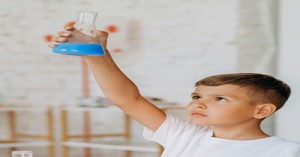
Here’s a themed EYLF-aligned guide to 30 preschool science experiments, complete with materials, instructions, science concepts, and EYLF learning outcomes. This is designed for educators who want to embed intentionality, inquiry, and curriculum links into hands-on science.

Here’s a roundup of 20 super simple science experiments for toddlers in early learning settings. These activities are sensory-rich, safe, and designed to spark curiosity while introducing foundational science concepts.

Babies explore science through play, discovering cause, effect, patterns, and curiosity with sensory‑rich, everyday experiences.

Discover how science sparks curiosity in early childhood, hands‑on play, inquiry learning, and EYLF links nurture lifelong discovery.
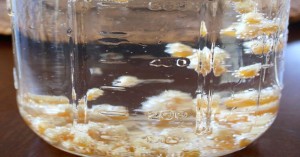
Dancing corn is a fun sceince experiment to do with toddlers and preschoolers. Watch corn dance with a little kitchen chemistry.
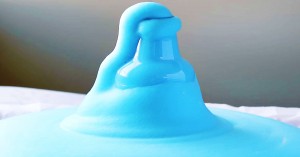
Elephant toothpaste erupts a foam that children can create in this experiment that resembles toothpaste being squeezed from a tube.
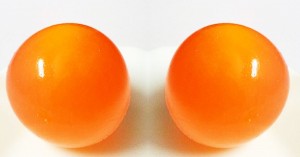
Make a hard egg bounce by adding it to a cup of vinegar. This is a great STEAM experiment to try with children - make different colour "egg balls" and watch how vinegar dissolves the hard shell to create a bouncy egg.
National Science Week is Australia’s annual celebration of science and technology, and it is held from 12 to 20 August 2023.
