


The preschool sign-in area is more than just a place for attendance; it’s the first touchpoint of the day where children, families, and educators connect. A thoughtfully designed sign-in space fosters independence, strengthens family partnerships, and sets a welcoming tone that helps children transition smoothly from home to the service.

The return from holidays often brings mixed emotions for children: excitement, fatigue, and sometimes hesitation. As educators, we can harness this transitional moment by offering playful provocations: intentional activity setups that spark curiosity, re-energize routines, and invite children back into the joy of learning.
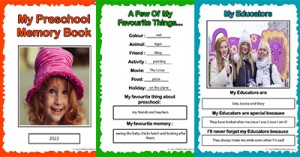
The “My Preschool Memory Book” is a heartfelt end-of-year keepsake designed to honour each child’s unique early learning journey. This 6-page portfolio template helps educators capture meaningful moments, relationships, and milestones as children prepare to transition from preschool to kindergarten.
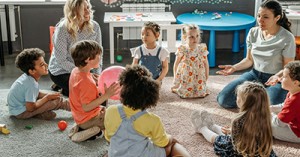
Play isn’t just fun—it’s foundational. For children aged 3 to 5, games offer rich opportunities to build social skills, emotional regulation, motor coordination, and early literacy and numeracy. Whether you're refreshing your weekly program or designing a themed experience, here are some educator-approved game ideas that blend creativity, inclusion, and developmental intent.

Rainy days can stir up big energy in little bodies. When outdoor play isn’t an option, indoor environments need to flex—offering sensory-rich, emotionally intelligent experiences that soothe, engage, and inspire. Here are 20 educator-approved activities to transform stormy skies into golden opportunities for learning and connection.
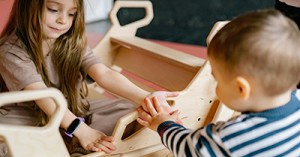
Teaching young children how to use their hands for kindness rather than harm is foundational to building a caring classroom culture. At ages four and five, children are still developing self-regulation and may act out physically when emotions feel overwhelming. As educators, we can guide them toward prosocial alternatives, equip them with emotional vocabulary, and partner with families to reinforce healthy touch at home.

Phonics is a method used to teach reading and writing by developing learners' ability to hear, identify, and manipulate phonemes and associating these sounds with their corresponding letters and letter patterns. The following article provides information on Key Concepts Of Phonics, Why Phonics Is Important, Benefits of Teaching Phonics, How To Teach Phonics, Activities, and more.

This quick art is easy and enables children to create their own fireworks with chalk. Children can create their own fireworks designs and colours to make their own unique fireworks display.
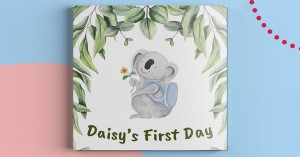
The Department Of NSW has produced a special picture book to support a child's transition to primary school called Daisy's First Day.
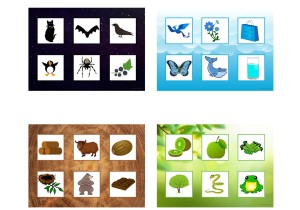
The Rainbow Collage Sorting Mats enable children to sort the different coloured objects into the correct coloured sorting mat. This is great for children learning their colours and to help children to identify objects of different colours in their everyday environment.
