Giuseppe Arcimboldo’s Make A Vegetable Face is a fun children's art activity mixing creativity and healthy eating.
In this activity, children will become artists just like Arcimboldo. They’ll use cut‑out vegetables (or pre‑cut pieces provided by the educator) to design their own vegetable face collage. This playful art project helps children learn about different vegetables, practice fine‑motor skills, and express their creativity while connecting art to healthy eating.
Materials Needed
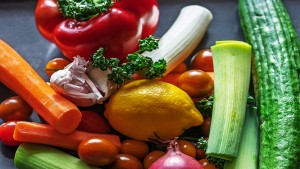
- Real or printed vegetable images
- Scissors, glue, A4 paper or cardboard
- Markers, crayons, and collage materials
- Optional: recycled food packaging or vegetable stickers
- Face Image (optional)
What to Do:
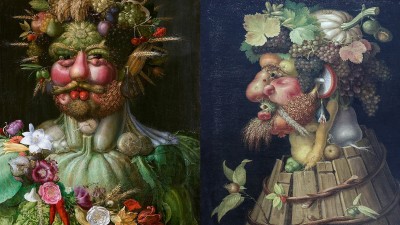
- Introduction – Show Arcimboldo’s portraits (Summer, Winter, The Gardener). Discuss how he used fruits and vegetables to make faces.
- Exploration – Children observe and describe vegetables’ shapes, colours, and textures.
- Creation – Children design their own vegetable faces using collage or drawing.
- Reflection – Share artworks, discuss feelings, and connect to healthy eating and sustainability.
Hints and Tips
Pre‑cut pieces: For younger children, prepare vegetable cutouts in advance to avoid frustration with scissors.
Variety of sizes: Offer small and large versions of each vegetable so children can experiment with scale.
Face templates: Provide a simple head outline to guide placement, especially for younger groups.
Extension Ideas
- Create a seasonal vegetable chart linking produce to Arcimboldo’s Four Seasons.
- Integrate with science by exploring plant growth and nutrition.
- Turn artworks into a classroom display celebrating creativity and wellbeing.