



The Zones of Regulation are a self-regulation framework that helps children identify and manage their emotions, energy, and attention. In OOSH settings, where children transition between school, home, and care environments, this tool can be especially powerful for fostering independence, resilience, and social-emotional wellbeing.

In early childhood education, our relationships with families are foundational but they’re not always easy to navigate. When a child’s behaviour begins to impact the safety or wellbeing of others, educators often find themselves caught between professional responsibility and fear of offending parents. Over time, many have grown hesitant to speak up, even as biting, pushing, and dysregulation become more frequent in toddler rooms.
Below are practical, emotionally intelligent ways to initiate these conversations with families—rooted in respect, partnership, and a shared commitment to every child’s wellbeing.

In early childhood education, our relationships with families are foundational—but they’re not always easy to navigate. When a child’s behaviour begins to impact the safety or wellbeing of others, educators often find themselves caught between professional responsibility and fear of offending parents. Over time, many have grown hesitant to speak up, even as biting, pushing, and dysregulation become more frequent in toddler rooms.
Below are practical, emotionally intelligent ways to initiate these conversations with families—rooted in respect, partnership, and a shared commitment to every child’s wellbeing.

This template is to document violent incidents that occur.

This template is used to reflect and assess a child's behaviour.
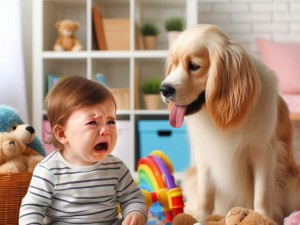
Practical strategies to support toddlers with challenging behaviour: routines, positive reinforcement, and teaching emotional regulation.

Funded by NSW Department of Education and Phoenix support, Understanding and Supporting Children's Behaviour is a self-paced course that consists of six webinars, free for NSW Educators.

EPEC Education has developed a free webinar on "Guiding the Positive Behaviour of Children." It provides suggestions and strategies for fostering a peaceful and supportive environment for children.
No child is behaves in one way all the time, but psychologists agree that each has their own usual type. This is usually reflected in the way parents or close family members describe the child since their infancy; for example, ‘Sandra is very easygoing’ or ‘Rodney likes routines’. Such differences are clues to different temperaments that human beings are born with. The following article provides information on What Is Temperament, Understanding Temperament, Teaching Strategies and more.

Animal Tracing Dots enables children to trace the dots to complete the animal picture. These...
View Worksheet...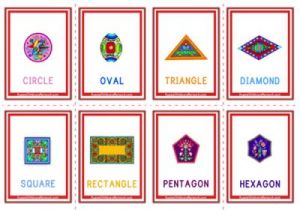
Introduce gem‑style shapes with design flashcards that combine pictures and words. These printables build shape...
View Worksheet...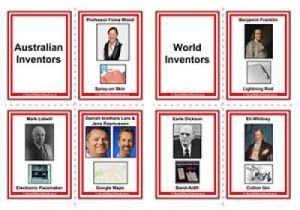
The Australian and World Inventors Flashcards provide an image of a famous inventor as well...
View Worksheet...