



In early childhood education across Australia, the question of whether educators can refuse to work alone is no longer hypothetical—it’s urgent. With rising behavioural complexities, mounting workloads, and increasing safety concerns, educators are asking, "Do I have the right to say no?" The answer is layered, but powerful: Yes, you do have a leg to stand on. And it’s time we stood together.

Father’s Day offers a chance to celebrate love, care, and connection—but for children without fathers, it can also be a sensitive time. In early childhood settings, educators have a responsibility to ensure that celebrations are inclusive, emotionally safe, and reflective of diverse family structures.

Across the early childhood education and care sector, educators are sounding the alarm: current staffing ratios are insufficient to deliver safe, meaningful, and developmentally appropriate care. While recent reforms have focused on mobile phone bans and child safety protocols, many in the sector argue that these measures overlook a deeper structural issue—chronic understaffing driven by profit-based ratio models.

As national reforms tighten mobile phone use in early childhood education and care (ECEC) settings across Australia, educators are asking, "Why not apply similar protections in primary and secondary schools?"
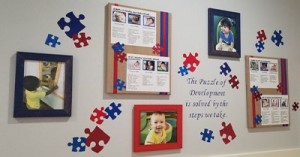
Using blurbs with wall displays in early childhood settings offers a powerful blend of pedagogical value, family engagement, and professional reflection. The following provides blurbs for a variety of activities. Each one is designed to celebrate children's learning, link to EYLF outcomes, and bring warmth and meaning to your wall displays.

A: In early childhood education and care (ECEC) settings across Australia, mobile phone use by educators is now subject to strict national reforms aimed at safeguarding children’s well-being and ensuring professional presence.

Here’s a clear, sector-aligned policy template tailored for early childhood education and care services, ensuring compliance with the upcoming 2026 NQF reforms and reinforcing your commitment to child safety and educator well-being.

Here’s a curated set of critical reflection questions tailored for room displays in early childhood settings—designed to provoke deeper thinking around pedagogy, child voice, aesthetics, and relational intent. These can be used during planning, team reflection, or documentation audits.

Here's a comprehensive, sector-responsive policy and procedure framework for the safe use of digital technologies—including CCTV—tailored for early childhood education settings. It balances child safety, educator well-being, regulatory compliance, and ethical transparency.
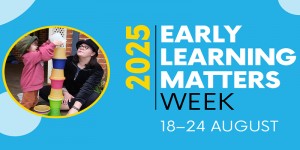
High-quality early education and care is more than preparation for school—it’s the foundation for a child’s lifelong well-being, confidence, and achievement. During Early Learning Matters Week, educators, families, and communities come together to celebrate the transformative impact of play-based learning in shaping enthusiastic, capable learners.
 May is a month filled with opportunities to celebrate culture, community, and well-being. From global awareness campaigns to quirky themed days, this calendar highlights events… Read More
 Australia’s largest private childcare operator, G8 Education, has announced the closure of 40 centres nationwide, leaving thousands of families and educators facing uncertainty. The closures,… Read More
 On 27 February 2026, Australia’s early childhood education sector entered a new era of accountability and child protection. The commencement of Part 6A of the… Read More
 On Saturday, 9 May 2026, Fire and Rescue NSW will welcome families across the state to its annual Open Day. From 10am to 2pm, local… Read More
