


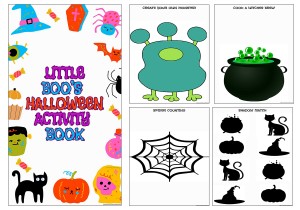
Little Boo’s Halloween Activity Book is a playful, inclusive resource for emotional literacy, early numeracy, and creative exploration. This modular activity book blends Halloween-themed fun with foundational learning. Educators can adapt activities for individual, small group, or whole-class use. Velcro-backed pieces and visual prompts support inclusive engagement, while the book’s gentle tone ensures Halloween remains joyful, not frightening.
Celebrating Halloween in early childhood settings can be enriching, but it’s important to weigh the benefits and challenges thoughtfully. Here's a breakdown to help guide your decision:
Here’s a playful set of questions you can use during group time to explore children’s understanding of Halloween. These are designed to spark curiosity, storytelling, and cultural reflection, while keeping things warm and inclusive.

Halloween is more than costumes and candy; it's a cultural moment that invites play, storytelling, and community connection. But beneath the surface, it also offers a rich opportunity for reflection. What are we celebrating, and how does it shape our values, identities, and relationships? Here’s a thoughtful set of critical reflection questions for families considering whether to celebrate Halloween, designed to support values-based decision-making, emotional safety, and inclusive dialogue.
On the 31st of October, it is Halloween. The following provides Halloween Templates, free Printables and Activities that will help you celebrate Halloween at your service and can be implemented into the curriculum for children.
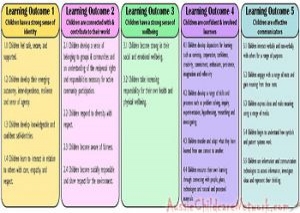 Here is the list of the EYLF Learning Outcomes that you can use as a guide or reference for your documentation and planning. The EYLF… Read More
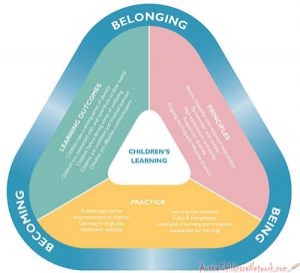 The EYLF is a guide which consists of Principles, Practices and 5 main Learning Outcomes along with each of their sub outcomes, based on identity,… Read More
 This is a guide on How to Write a Learning Story. It provides information on What Is A Learning Story, Writing A Learning Story, Sample… Read More
 One of the most important types of documentation methods that educators needs to be familiar with are “observations”. Observations are crucial for all early childhood… Read More
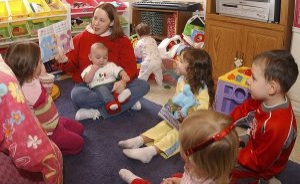 To support children achieve learning outcomes from the EYLF Framework, the following list gives educators examples of how to promote children's learning in each individual… Read More
 Reflective practice is learning from everyday situations and issues and concerns that arise which form part of our daily routine while working in an early… Read More
 When observing children, it's important that we use a range of different observation methods from running records, learning stories to photographs and work samples. Using… Read More
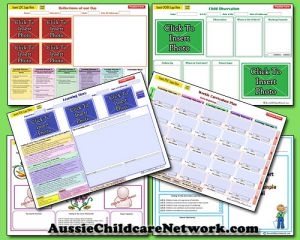 Within Australia, Programming and Planning is reflected and supported by the Early Years Learning Framework. Educators within early childhood settings, use the EYLF to guide… Read More
 This is a guide for educators on what to observe under each sub learning outcome from the EYLF Framework, when a child is engaged in… Read More
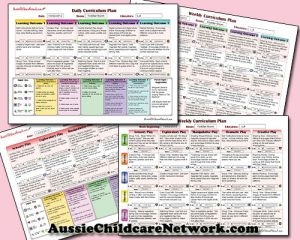 The Early Years Learning Framework describes the curriculum as “all the interactions, experiences, activities, routines and events, planned and unplanned, that occur in an environment… Read More
When we talk about programming and planning for babies in early childhood, we’re really delving...
See more...
A Quality Improvement Plan (QIP) helps early childhood services keep improving. It shows what’s working...
See more...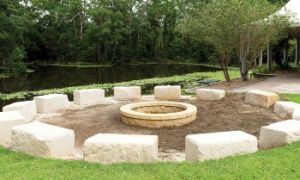
A yarning circle is the practice of speaking and listening from the heart, for sitting...
See more...