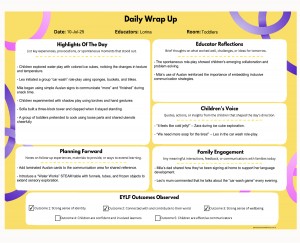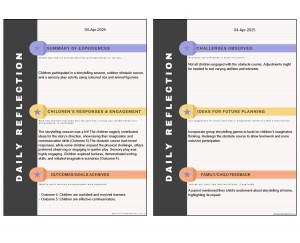
This template is used by educators to write daily reflections.

Daily reflections are a valuable practice that helps educators assess and enhance their program while fostering children's development. The following article provides information on the Benefits of Daily Reflection, What To Include In Daily Reflections, Examples and more.
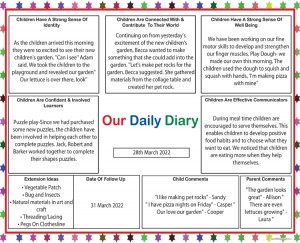
This template is for Educators to use as a Daily Diary. A Daily Diary is used to evaluate the planned and spontaneous experiences as well as any emerging interests which occurred during the day.
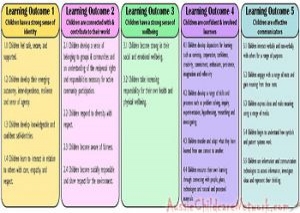 Here is the list of the EYLF Learning Outcomes that you can use as a guide or reference for your documentation and planning. The EYLF… Read More
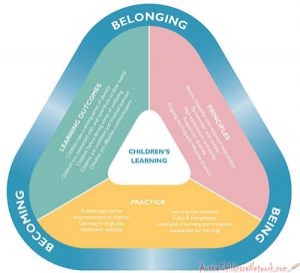 The EYLF is a guide which consists of Principles, Practices and 5 main Learning Outcomes along with each of their sub outcomes, based on identity,… Read More
 This is a guide on How to Write a Learning Story. It provides information on What Is A Learning Story, Writing A Learning Story, Sample… Read More
 One of the most important types of documentation methods that educators needs to be familiar with are “observations”. Observations are crucial for all early childhood… Read More
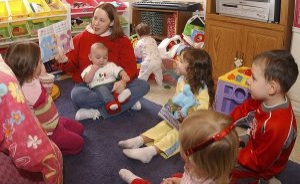 To support children achieve learning outcomes from the EYLF Framework, the following list gives educators examples of how to promote children's learning in each individual… Read More
 Reflective practice is learning from everyday situations and issues and concerns that arise which form part of our daily routine while working in an early… Read More
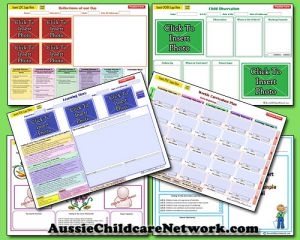
 When observing children, it's important that we use a range of different observation methods from running records, learning stories to photographs and work samples. Using… Read More
 Within Australia, Programming and Planning is reflected and supported by the Early Years Learning Framework. Educators within early childhood settings, use the EYLF to guide… Read More
 This is a guide for educators on what to observe under each sub learning outcome from the EYLF Framework, when a child is engaged in… Read More
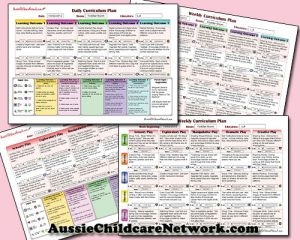 The Early Years Learning Framework describes the curriculum as “all the interactions, experiences, activities, routines and events, planned and unplanned, that occur in an environment… Read More
Working as a childcare professional enables you to interact with children, their families, co-workers and...
See more...
As per National Regulations, an Educational Leader is a suitably qualified and experienced educator, to...
See more...
In early childhood education, the most powerful learning often happens through the simplest tasks. Practical...
See more...