



Loose parts play is a powerful, open-ended approach that invites children to explore, create, and express themselves using everyday materials. It fosters autonomy, imagination, and problem-solving and can be tailored to your environment and the developmental needs of your children.

Loose parts Play in outdoor areas transforms the everyday environment into a dynamic, open-ended learning space. The following article provides information on What Is Loose Parts In The Outdoor Area, Benefits Of Loose Parts Outdoors, How To Integrate Loose Parts Play Outdoors, List Of Loose Parts Play For Outdoor Areas, Innovative Activities for Loose Parts Play Outdoors, Extending On Loose Parts Play and more.

Loose parts materials inspire babies, toddlers, and preschoolers to explore, build, and create, boosting motor skills, imagination, and social play.
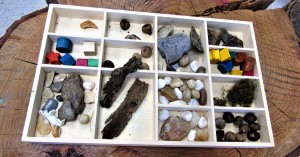
Loose parts is a term used in early childhood learning to include such objects and materials that kids can move, control and change in numerous ways. Loose parts provided an opportunity for children to express creativity through the use of materials that can be manipulated, transformed, and created through self-guided play. The following article provides information of Examples of Loose Parts, The Benefits of Loose Parts, Links To Theorists and The EYLF, Loose Parts Activity Ideas and more.

When playing with things, children are usually attracted to those that are colourful, easily handled, made up of many components and allow enough room for their curiosity. Loose parts is a term used in early childhood learning to include such object and materials that children can move, control and change in numerous ways.
 The Children’s Services Award introduces a streamlined classification system and updated pay rates designed to better recognise the skills, qualifications, and responsibilities of early childhood… Read More
 The Children’s Services Award has 8 clear levels. These levels make it easier to understand where you fit, based on your experience, qualifications, and responsibilities.… Read More
 When working as a qualified early childhood teacher (with a university degree) within a service, your rate of pay will come from the Educational Services… Read More
 Diploma-qualified educators play a vital role in early childhood services, taking on responsibilities that range from supporting children’s learning and development to leading rooms and… Read More
 Certificate III qualified educators form the backbone of early childhood services, providing essential care and learning support for children across all settings. Their wages under… Read More
 Early Childhood Teachers (ECTs) play a vital role in leading curriculum and pedagogy in early learning settings. Regulation 272 of the Education and Care Services… Read More
 Discover how school readiness programs support children’s independence, confidence, and skills for a successful transition into primary school.
Read More
Discover how school readiness programs support children’s independence, confidence, and skills for a successful transition into primary school.
Read More
 When an Educator is not performing their tasks or responsibilities at best practice, these issues need to be addressed for the Educator to understand where… Read More
 Educators can maximise tax deductions by claiming classroom supplies, training, union fees, and home office costs this financial year.
Read More
Educators can maximise tax deductions by claiming classroom supplies, training, union fees, and home office costs this financial year.
Read More
 A staff appraisal is a formal, systematic process of determining and reviewing the performance of early childhood educators over a period of time, usually a… Read More

A: Creating your own critical reflections is a bit like having a conversation with yourself—one...
See more...
Critical reflection is more than “thinking back” on what we do each day. It’s a...
See more...
A: Employers must give at least 7 days’ notice for changes to rosters, including meeting...
See more...