


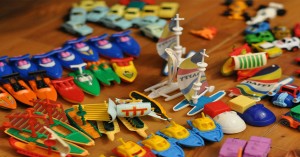
On April 22 is Earth Day. This year's campaign is to End Plastic Pollution. As Educators, we spend our days setting up experiences for children to be engaged in by using a variety of resources and materials including the use of plastic.

As educators, we need to incorporate cultural celebrations within the setting in a sensitive and respectful manner by avoiding cultural tokenism - which is the act of making a small minimal effort towards something.
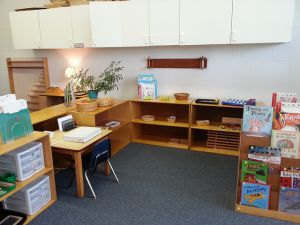
Within the physical environment, Interest Areas are prepared and maintained to encourage children in their learning. These areas are well planned and are purposefully created to enable children to experiment, discover, explore and create.
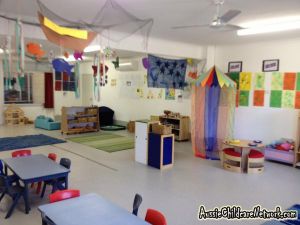
The physical environment in an early childhood setting creates an atmosphere that is welcoming, inviting and engaging. For the children it is an atmosphere where they can develop their skills and interests and become independent and confident learners. The overall learning environment creates a feeling of safety and comfort- a place where all children belong.
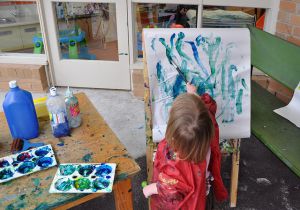
Creating interest areas within an early childhood settings are beneficial to both children and educators. For children, interest areas guide play, exploration and discovery which are all used to foster children’s holistic development. Interest areas enable educators to think intentionally about how to organize the space and involve the children to provide accessible materials that engage children and enhance their play experiences.
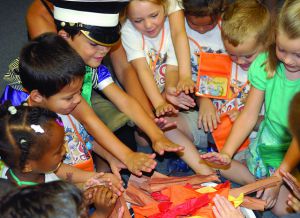
Within early childhood settings and as part of the daily routine, group time has become a teaching strategy in order to gather children together to have discussions, read stories, sing songs etc. The following article provides information on What Is Group Time, When To Have Group Time, What To Do During Group Time, Managing group Time and more.
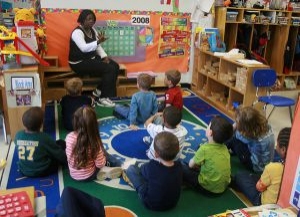 Working as a childcare professional can be a challenge especially when dealing with behavioural problems which may arise. The techniques we use when dealing with… Read More
 There are different types of behaviour that children can display and sometimes it can be hard to manage, especially if a child is having behavioural… Read More
 As Educators, there will be many instances where you will need to write about a child's behaviour. For a behaviour management plan, assessments, half-yearly or… Read More
 As a parent, your behavioural expectations of your child can be higher than what is actually developmentally appropriate for your child's age.
Read More
As a parent, your behavioural expectations of your child can be higher than what is actually developmentally appropriate for your child's age.
Read More
 As Educators when communicating with Parents (through verbal or non-verbal communication), there will be times where we need to discuss issues or concerns that may… Read More
 Challenging Behaviour is when a child does something that hurts themselves and/or other people.
Read More
Challenging Behaviour is when a child does something that hurts themselves and/or other people.
Read More
 It's always difficult to bring up behavioural issues with parents, it can be nerve wrecking to tell a parent that their child misbehaves but that… Read More
 As part of your child's development it is normal for your child to have anxiety and fears. A baby commonly shows a fearful sign to… Read More
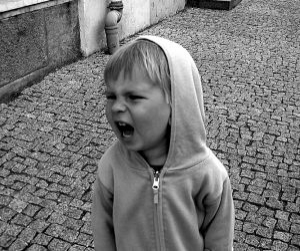 All children deal with anger on a daily basis. Thinking about it as a child, there is a lot to be angry about. Elder people… Read More
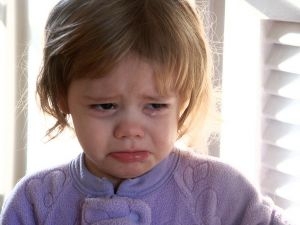 It is important to understand that your child behaviour problems could not just be from attention seeking. There are many factors to take into consideration… Read More

In the rhythm of early childhood, emotional storms are natural. Toddlers and preschoolers are still...
See more...
Developmental milestones are a set of functional skills or age-specific tasks that most children can...
See more...
Ellen Beate Hansen Sandseter is a Norwegian researcher and professor at Queen Maud University College...
See more...