Jelly art: a sensory play activity for babies 6–12 months that builds fine motor skills, creativity, and early communication through messy fun.
Materials Needed:
- Pre-made jelly
- Large sheet of paper
- Sticky tape / masking tape
What to do:
- Follow the instructions on the pack to pre-make the jelly. You can use one colour or multiple colours of jelly for this activity.
- On the floor/table lay down a large sheet of paper. Somewhere, where you don’t mind making a mess.
- Stick the paper onto the surface so it doesn’t move.
- Add lumps of jelly onto the paper.
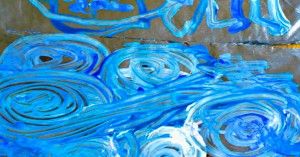
- Encourage your baby to “draw” with the jelly.
Hints and Tips:
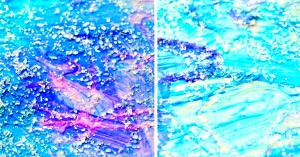
- Print your baby’s drawing by layering a small sheet of paper on top of their art. Press it down gently, hang it and leave it to dry.
- Choose a different colour of jelly each time you do this activity.
- While cooling the jelly, add objects that your baby has to find.
- Introduce colours by mixing jelly colours together while making.
- Great for a rainy day activity!
Extension Ideas:
- Colour mixing: Add food colouring drops and let children swirl forks or fingers to explore blending.
- Texture variation: Use jelly with different consistencies (firm, soft, runny) to compare tactile experiences.
- Tool exploration: Offer spoons, spatulas, or brushes to extend fine motor practice beyond fingers.
- Shape stamping: Press cookie cutters into jelly to explore shapes and patterns.
- Counting play: Count scoops or prints to build early numeracy.
- Science link: Discuss how jelly changes from liquid to solid, introducing early STEM concepts.
- Descriptive language: Encourage children to describe jelly using words like “wobbly,” “smooth,” “sticky.”
- Storytelling: Invite children to imagine the jelly as landscapes or magical worlds.
- Shared reflection: Children present their jelly creations to peers, practicing expressive communication.
- Group collaboration: Work together on a large jelly tray, fostering teamwork.
- Confidence building: Celebrate children’s creations with a “sensory gallery walk.”
- Cultural connections: Link jelly play to food traditions, festivals, or family experiences.