



What an exciting time... your baby is finally moving on from milk to solids. This is a crucial stage in your baby's development. From now on, the rapid growth and development of your baby requires more nutrients that milk alone cannot provide. It is also important to remember that starting on solids is an ongoing process where you have to pay special attention to any food allergy symptoms that your baby may present.

Breastfeeding...what an amazing ability female bodies have to produce milk for their own baby. Breastfeeding is a natural process that develops while you are pregnant until you are ready to produce milk. Best of all it's free!!
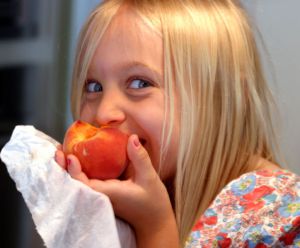
“Yuck, I’m not eating that”… I’m sure you have heard your child say this on more than one occasion. Your child is growing up and developing their own ideas and interests on what types of foods they are most likely to eat and enjoy. With all the fast food gimmicks shown on television lately as well as peer pressure from school and popular trends, it can be difficult to establish healthy eating habits with your school age child. Trying to convince your child to eat their vegetables isn't going to always work. The trick is to make healthy choices more appealing.
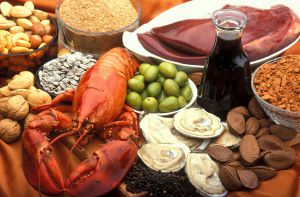
Iron is needed to make red blood cells, which carry oxygen around the body. It also plays an important role in fighting infections, brain development and growth. Children who do not eat enough iron containing foods may become tired, faint, pale, uninterested in play and may complain of headaches and often have low appetites. If you do not eat enough iron from food the level of iron stores in the body will fall and anaemia may result. It is best to eat a diet supplying enough iron in order to stay healthy. To improve blood iron levels it is recommended that everyday you eat a variety of foods that contain iron.
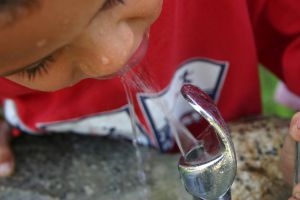
In hot weather it can be very easy for physically active children to suffer from dehydration, heat exhaustion, or even heat stroke. A physically active child can be described as a child who participates in at least an hour of high intensity physical activity every day. Some examples of high intensity activity include team sports such as soccer, football or netball, swimming training, running or tennis.
It is known that children do not stop to drink as much as adults do and are likely to only stop when they are quite thirsty. At this stage it is likely that children are already mildly dehydrated.
 Mandatory child safety courses 3 & 4 are now available. Educators must complete practice and systems training to strengthen safeguarding culture.
Read More
Mandatory child safety courses 3 & 4 are now available. Educators must complete practice and systems training to strengthen safeguarding culture.
Read More
 Child care enforcement hits record highs, but educators call for lower ratios, fair pay, and faster inclusion support to truly lift standards.
Read More
Child care enforcement hits record highs, but educators call for lower ratios, fair pay, and faster inclusion support to truly lift standards.
Read More
 Educators across Australia are raising urgent concerns that they cannot adequately supervise all children in their care due to staffing shortages and lack of extra… Read More
