


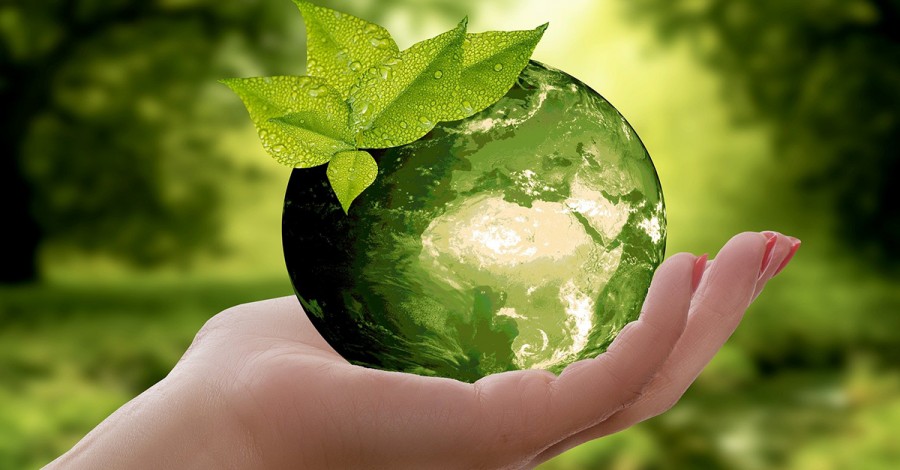
Earth Day is celebrated on April 22. The day aims to raise awareness about climate change and global warming and to act towards the protection of the environment.
The 2021 theme of Earth Day is Restore Our Earth. Restore Our Earth focuses on natural processes, emerging green technologies and innovative thinking that can restore the world’s ecosystems.
Here are some issues to discuss and explore with children:
- Plastic Pollution -Plastic bottles and bags can take hundreds of years to breakdown. Animals can also become trapped by the plastic, which can make it difficult to move to escape predators or find food. Turtles (and other animals) may mistake plastic bags for food. Turtles like to eat jellyfish, and we think turtles eat the plastic bags because they resemble jellyfish.
- Forest Ecosystems - A forest is a piece of land with many trees. Many animals need forests to live and survive. Forests are very important and grow in many places around the world. They are an ecosystem which includes many plants and animals. Forest ecosystems are changing because of land degradation, chopping down of trees, loss of animals and plant life due to climate change significantly impacted in their ability to provide ecosystem services to humans.
- Air Quality - The air we breathe is vital for the survival of humans and all other living things that call Earth home. Earth’s forests serve as a natural air filtration system but as humans destroy forested habitats around the world air quality will continue to decline.
- Water Quality - Water connects everything around us. It covers about 71% of the Earth’s surface and is found in the ground underneath our feet, in the air that we breathe and in the clouds over our heads. The impacts of climate change, like heat events and drought, will place increasing stress on the Earth’s water systems as both human and wildlife water needs are strained.
Using these issues as a starting point, Educators can set up a variety of experiences to support children in understanding simple ways to create awareness and save our Earth such as:
- Create a Jellyfish In A Bottle
- Explore Ocean Layers Of The Sea
- Oil Spills In The Ocean
- Growing Vegetables Indoors In Water
- Teaching Children to Reduce, Reuse and Recycle
- Plant trees or create a garden (an indoor garden is great too).
- Start a compost bin using the food scraps during lunch
- Visit a local park and go on a nature scavenger hunt
- Reduce the use of plastics in the service and encourage parents to do the same.
- Make natural dyes for playdough
- Collect and use rain water
- Discuss Australian endangered species and their habitats
- Plant a butterfly garden
- Explore sea creatures
For more information: Earth Day
 Foundation Training deadline: existing educators must complete by 27 August 2026 to ensure compliance, child safety, and service quality.
 An early learning service in Sydney’s east, once facing closure, has been granted 12 months rent‑free operation—a decision that has transformed uncertainty into hope for