


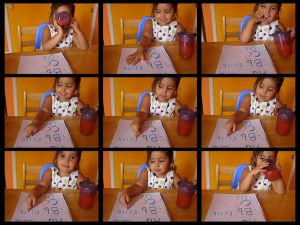
Your preschooler is now able to focus their attention more accurately and is less influenced by distractions. The intensity of questions increase as your child develops a strong curiosity for the world around them. By this stage, your child will have increased memory skills which counts for a big part of their learning. Your preschooler will also be able to retain two or three pieces of information while acting on them.
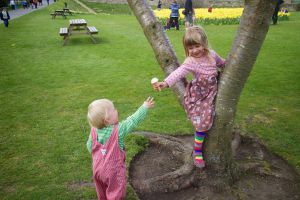
As a parent, your behavioural expectations of your child can be higher than what is actually developmentally appropriate for your child's age.
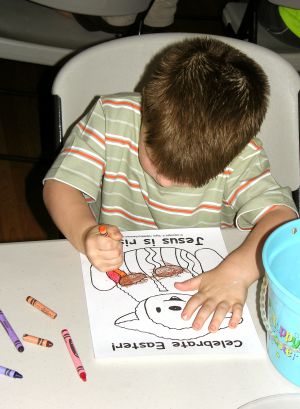
Your child is about to enter one of the most important parts of their lives... "School"! All children from the age of 5 (depending on your state and school requirements throughout Australia) begin school. It's an exciting time for both you and your child as you enter a new phase in life. For most parents the transition to school can be a little difficult and sad as they watch their little child enter a whole new world.
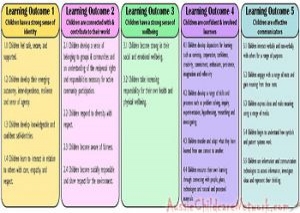 Here is the list of the EYLF Learning Outcomes that you can use as a guide or reference for your documentation and planning. The EYLF… Read More
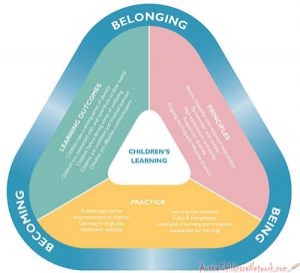 The EYLF is a guide which consists of Principles, Practices and 5 main Learning Outcomes along with each of their sub outcomes, based on identity,… Read More
 This is a guide on How to Write a Learning Story. It provides information on What Is A Learning Story, Writing A Learning Story, Sample… Read More
 One of the most important types of documentation methods that educators needs to be familiar with are “observations”. Observations are crucial for all early childhood… Read More
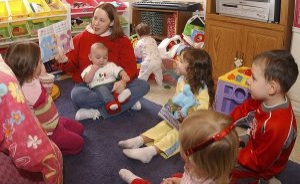 To support children achieve learning outcomes from the EYLF Framework, the following list gives educators examples of how to promote children's learning in each individual… Read More
 Reflective practice is learning from everyday situations and issues and concerns that arise which form part of our daily routine while working in an early… Read More
 When observing children, it's important that we use a range of different observation methods from running records, learning stories to photographs and work samples. Using… Read More
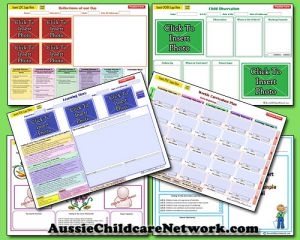 Within Australia, Programming and Planning is reflected and supported by the Early Years Learning Framework. Educators within early childhood settings, use the EYLF to guide… Read More
 This is a guide for educators on what to observe under each sub learning outcome from the EYLF Framework, when a child is engaged in… Read More
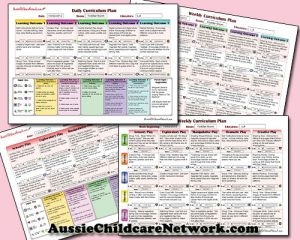 The Early Years Learning Framework describes the curriculum as “all the interactions, experiences, activities, routines and events, planned and unplanned, that occur in an environment… Read More

Food play is more than sensory fun, it’s a gateway to learning across math, science...
See more...
All children and young people's integrated and complex wellness, learning, and development are intended to...
See more...
July brings a vibrant mix of cultural celebrations, awareness days, and community-focused events that provide...
See more...