


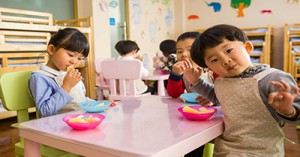
Gratitude songs before meals are more than just cheerful tunes; they’re rituals that nurture mindfulness, community, and appreciation in young children. By singing together, children learn to pause, acknowledge the effort behind their food, and celebrate the connections between nature, family, and community. These songs can be simple, repetitive, and symbolic, making them accessible for toddlers while still meaningful for older preschoolers.
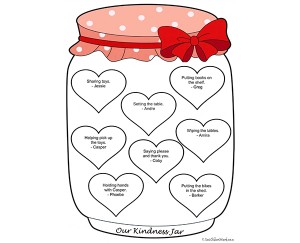
The Kindness Jar enables children to share and recognise their acts of kindness. It's a visual and interactive way to promote positive behavior and teach children the importance of being kind to others.

Teaching kindness helps children develop important social skills, such as cooperation, sharing, and effective communication. The following article provides information on Why Is It Important To Teach Kindness To Young Children,How To Teach Kindness To Toddlers and Preschoolers, Practical Acts Of Kindness, Examples Of Kindness Projects and more.
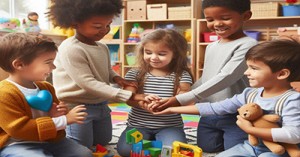
Implementing the Kindness Curriculum for preschoolers involves creating a nurturing environment that fosters social-emotional learning and mindfulness. The following article provides information on Strategies For Implementing The Kindness Curriculum, Explaining The Twelve Core Attributes To Preschoolers, Twelve Core Attributes Activities For Preschoolers, Daily Kindness Activities For Preschoolers, Mindfulness Practices For Preschoolers, Linking EYLF To The Kindness Curriculum and more.
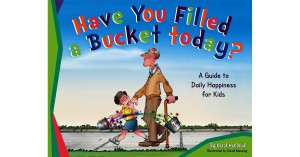
Have You Filled A Bucket Today is a free story that children can download and read. This story talks to young children about being kind using a simple analogy to teach young children about kindness. Everybody has invisible buckets from birth. We experience happiness when our bucket is full and sadness when it is empty. When we contribute to others' buckets being filled, the magic begins.
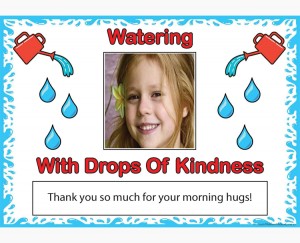
This template is for Educators to describe how a child displays kindness in their own unique way.
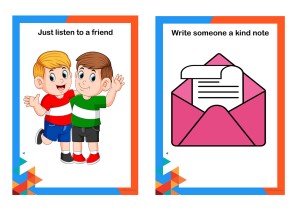
The Showing Kindness Posters display colourful images in different ways children can show kindness. It's important to include and encourage kindness every day in the learning environment and these posters are visual cues hugely helpful in reinforcing acts of kindness.
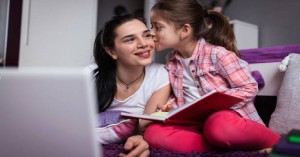
Gratitude makes the children more positive, and optimistic and also gives more strong social connections. Gratitude helps the child to relish good memories and gives strength to fight with all the odds and adversity in life. The following article provides information on the Benefits of Learning Gratitude, Strategies To Teach Children Gratitude and more.
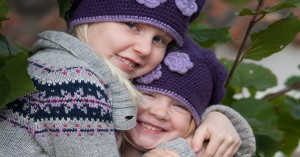
As Educators all over the world find out every day, there are certain life skills which fundamentally determine how well children will learn within their learning environment. One of the most important life skills children learn to develop is kindness.
Feel Good Feb is dedicated to saying thanks, expressing gratitude, and promoting good deeds and random acts of kindness.
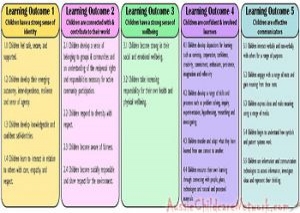 Here is the list of the EYLF Learning Outcomes that you can use as a guide or reference for your documentation and planning. The EYLF… Read More
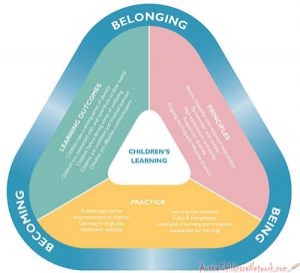 The EYLF is a guide which consists of Principles, Practices and 5 main Learning Outcomes along with each of their sub outcomes, based on identity,… Read More
 This is a guide on How to Write a Learning Story. It provides information on What Is A Learning Story, Writing A Learning Story, Sample… Read More
 One of the most important types of documentation methods that educators needs to be familiar with are “observations”. Observations are crucial for all early childhood… Read More
 To support children achieve learning outcomes from the EYLF Framework, the following list gives educators examples of how to promote children's learning in each individual… Read More
 Reflective practice is learning from everyday situations and issues and concerns that arise which form part of our daily routine while working in an early… Read More
 When observing children, it's important that we use a range of different observation methods from running records, learning stories to photographs and work samples. Using… Read More
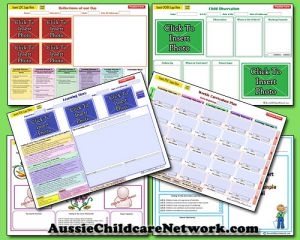 Within Australia, Programming and Planning is reflected and supported by the Early Years Learning Framework. Educators within early childhood settings, use the EYLF to guide… Read More
 This is a guide for educators on what to observe under each sub learning outcome from the EYLF Framework, when a child is engaged in… Read More
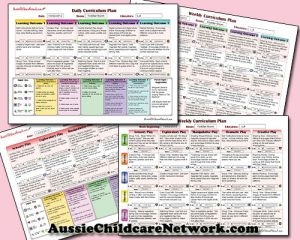 The Early Years Learning Framework describes the curriculum as “all the interactions, experiences, activities, routines and events, planned and unplanned, that occur in an environment… Read More
The Early Years Learning Framework outlines a set of eight pedagogical practices for educators to...
See more...
When working while pregnant, both parents are entitled to maternity and parental leave and this...
See more...
Part of being a childcare professional is to maintain and complete paperwork. However at times...
See more...