


When observing children, it's important that we use a range of different observation methods from running records, learning stories to photographs and work samples. Using a variety of different observation methods can assist you in observing a child's interest, skills, abilities, and needs. It provides a foundation for a child's individual assessment and planning. Collecting a series of observations before interpreting and planning will provide a well rounded and holistic picture of the child.
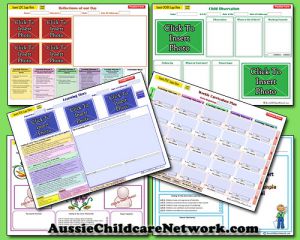
Within Australia, Programming and Planning is reflected and supported by the Early Years Learning Framework. Educators within early childhood settings, use the EYLF to guide their decisions to interpret and assess children’s learning and development.
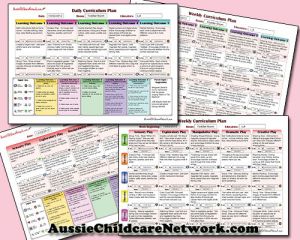
The Early Years Learning Framework describes the curriculum as “all the interactions, experiences, activities, routines and events, planned and unplanned, that occur in an environment designed to foster children’s learning and development”.
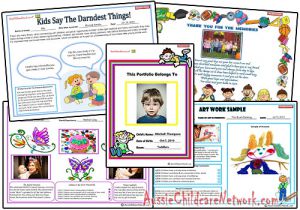
Portfolios have become a popular form of documentation used to give families, a keepsake at the end of the year. It is usually a folder containing samples of child’s work and photos of experiences the child was involved in throughout the year. However, it has become much more than a folder for storing artwork and photos so to speak. Portfolios are a journey of a child’s learning....
Reflective practice is learning from everyday situations and issues and concerns that arise which form part of our daily routine while working in an early childhood setting. It’s about reflecting not only about what happened but why. It also guides our decision making. It forces us to analyse different aspects of experiences we offer to make judgements in what should be repeated, extended or changed. This enables us to develop and extend on children’s learning and build upon their knowledge and skills.
This is a guide on How to Write a Learning Story. It provides information on What Is A Learning Story, Writing A Learning Story, Sample Of A Learning Story, Linking To The Outcomes, Group Learning Stories and more.
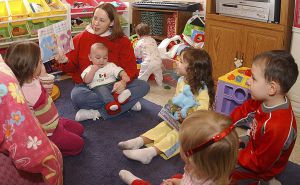
To support children achieve learning outcomes from the EYLF Framework, the following list gives educators examples of how to promote children's learning in each individual learning outcome. These can be used when assessing children's learning, critically reflecting on the experiences planned, strategies to implement for each learning outcome and more. It also encourages and promotes each individual outcome throughout the early childhood setting.
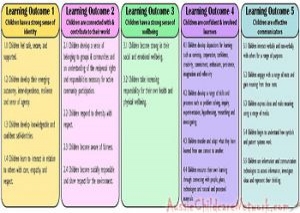 Here is the list of the EYLF Learning Outcomes that you can use as a guide or reference for your documentation and planning. The EYLF… Read More
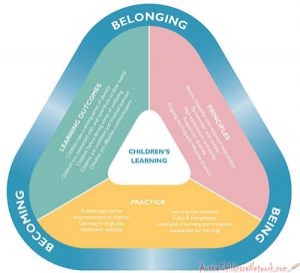 The EYLF is a guide which consists of Principles, Practices and 5 main Learning Outcomes along with each of their sub outcomes, based on identity,… Read More
 This is a guide on How to Write a Learning Story. It provides information on What Is A Learning Story, Writing A Learning Story, Sample… Read More
 One of the most important types of documentation methods that educators needs to be familiar with are “observations”. Observations are crucial for all early childhood… Read More
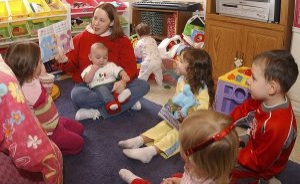 To support children achieve learning outcomes from the EYLF Framework, the following list gives educators examples of how to promote children's learning in each individual… Read More
 Reflective practice is learning from everyday situations and issues and concerns that arise which form part of our daily routine while working in an early… Read More
 When observing children, it's important that we use a range of different observation methods from running records, learning stories to photographs and work samples. Using… Read More
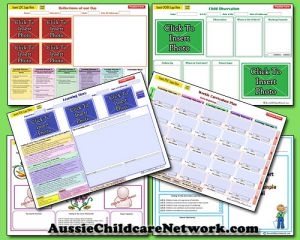 Within Australia, Programming and Planning is reflected and supported by the Early Years Learning Framework. Educators within early childhood settings, use the EYLF to guide… Read More
 This is a guide for educators on what to observe under each sub learning outcome from the EYLF Framework, when a child is engaged in… Read More
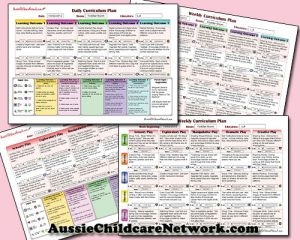 The Early Years Learning Framework describes the curriculum as “all the interactions, experiences, activities, routines and events, planned and unplanned, that occur in an environment… Read More
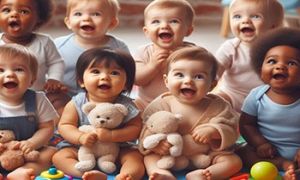
Achieving EYLF Outcome 5—Children Are Effective Communicators—in the Babies Room focuses on fostering foundational communication...
See more...
A RAP, or Reconciliation Action Plan, is a formal framework designed to promote reconciliation between...
See more...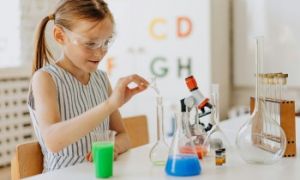
Children thrive when they can do—exploring, tinkering, and experimenting. Science activities in OSHC settings not...
See more...