Programming in early childhood is about understanding children, noticing what matters, and planning meaningful experiences that help them grow. If you’re new to programming, here’s a gentle guide to help you begin with confidence.
What Is Programming?
Programming is the thoughtful process of planning what children will do, learn, and explore in your care. It is not just paperwork—it is the way educators make learning visible and intentional. Programming includes:
- Observing children’s interests and needs
- Planning experiences that support development
- Documenting plans in a way that makes sense to you and your team
At its heart, programming is about connecting what you notice with what you provide, ensuring children’s voices guide the journey.
Avoid Copy-Paste Planning
Some services repeat the same information or miss important details. This can make programming feel like a chore. Instead:
- Focus on your room: Capture what’s happening with your children right now.
- Use real observations: Write what you see, hear, and feel.
- Respond to children’s voices: Show how their ideas shape the program.
Authentic programming demonstrates that you value children’s individuality and growth.
Trust Your Professional Judgement
You know your children best. You see how they play, what they struggle with, and what excites them. Use your judgment to:
- Choose experiences that suit your group’s needs
- Adjust plans when things change unexpectedly
- Advocate for what is best for your children
There is no single “right” way to program. What matters is that your planning is thoughtful, responsive, and safe.
Documentation Can Look Different
Not every educator writes the same way. Some prefer bullet points; others like stories or visuals. That’s okay! Your literacy level, language style, and confidence will shape how you document. Try:
- Bullet points for quick clarity
- Stories that capture rich detail
- Visuals like photos, drawings, or charts
The goal is to capture what’s meaningful—not to write a perfect essay.
Tips to Get Started
- Start small: Focus on one child or one moment each day
- Use your voice: Write how you speak—authentic and clear
- Reflect often: Ask yourself, “What did the children show me today?”
- Stay flexible: Plans can change, and that’s okay
- Celebrate growth: Notice and document progress, not perfection
Extending Your Practice
Once you feel confident with the basics, you can deepen your programming by:
- Linking to EYLF outcomes: Show how experiences connect to belonging, being, and becoming.
- Balancing individual and group needs: Capture both personal learning and shared experiences.
- Using critical reflection: Ask “Why does this matter?” and “What next?”
- Collaborating with families: Invite parents to share insights, photos, or cultural practices that enrich your program.
- Mixing formats: Combine quick notes with deeper stories, photos, or project walls to create a holistic picture.
Programming is a skill that grows with time. You don’t need to be a perfect writer. You just need to care, observe, and reflect. Your voice matters. Your judgment matters. And your documentation, however it looks, is a powerful tool for children’s learning.
Further Reading
List Of Reflection Questions For Programming and Planning
Step By Step Guide To EYLF Programming and Planning




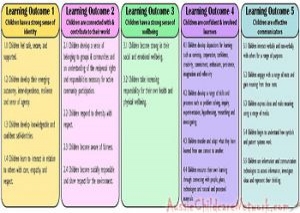 Here is the list of the EYLF Learning Outcomes that you can use as a guide or reference for your documentation and planning. The EYLF
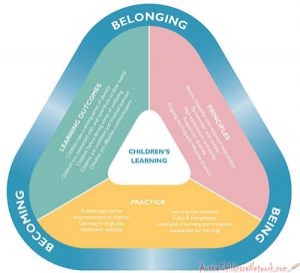 The EYLF is a guide which consists of Principles, Practices and 5 main Learning Outcomes along with each of their sub outcomes, based on identity,
 This is a guide on How to Write a Learning Story. It provides information on What Is A Learning Story, Writing A Learning Story, Sample
 One of the most important types of documentation methods that educators needs to be familiar with are “observations”. Observations are crucial for all early childhood
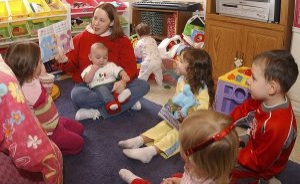 To support children achieve learning outcomes from the EYLF Framework, the following list gives educators examples of how to promote children's learning in each individual
 Reflective practice is learning from everyday situations and issues and concerns that arise which form part of our daily routine while working in an early
 When observing children, it's important that we use a range of different observation methods from running records, learning stories to photographs and work samples. Using
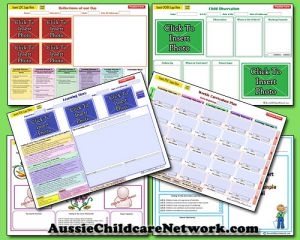 Within Australia, Programming and Planning is reflected and supported by the Early Years Learning Framework. Educators within early childhood settings, use the EYLF to guide
 This is a guide for educators on what to observe under each sub learning outcome from the EYLF Framework, when a child is engaged in
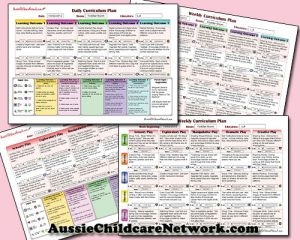 The Early Years Learning Framework describes the curriculum as “all the interactions, experiences, activities, routines and events, planned and unplanned, that occur in an environment