



Early childhood educators are being unfairly targeted by fear-driven narratives and reactive policy changes, despite evidence showing they are among the safest and most dedicated professionals in the education system.

In the quiet hum of a weekday morning, something felt off. Preschool doors opened, but classrooms remained silent. No greetings. No redirection. No educators. And suddenly, the world felt the consequences.
This wasn’t a strike. It was a reckoning.

Despite the overwhelming volume of documentation educators are expected to complete, the National Law and National Regulations do not require endless observations, daily learning stories, or long‑form essays about children’s learning.
ACECQA’s own guidance for approved providers emphasises that documentation should be meaningful, authentic, and free from duplication, and that educators should use professional judgment when deciding what to record.
The National Regulations themselves focus on program visibility, child information, and records for safety and compliance, not excessive narrative documentation.
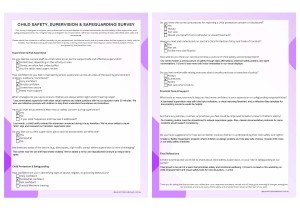
This template is a survey for educators about child safety, supervision, and safeguarding at the service.

Gossip is more than idle chatter; it’s a signal. In early childhood settings, where emotional labor runs high and relationships form the bedrock of quality practice, gossip can quietly unravel team cohesion. It erodes trust, fractures relationships, and creates emotional harm. But beneath the surface, gossip often reflects unmet needs, fear, and disconnection. The following article explores how restorative leadership can transform gossip into growth, offering practical strategies to rebuild emotional safety and team culture.

In the emotionally charged landscape of early childhood education, departmental decisions can feel final, overwhelming, and deeply personal. Whether it's a compliance breach, funding suspension, or licensing issue, educators often feel unheard, unsupported, and unsure of their rights. But procedural fairness is not a privilege—it’s a legal and ethical obligation. This guide aims to restore clarity, confidence, and emotional safety for those seeking to contest decisions with integrity and strength.

Programming in early childhood is about understanding children, noticing what matters, and planning meaningful experiences that help them grow. If you’re new to programming, here’s a gentle guide to help you begin with confidence.

In the heart of every early childhood service is a director, someone who balances compliance with compassion, strategy with soul, and leadership with deep relational care. Directors Day, November 10th, is a chance to pause, reflect, and celebrate the incredible contribution these leaders make to children, families, educators, and the broader sector.

“Every time a child runs into my arms like I’m their whole world—that’s when I know I’m exactly where I’m meant to be.”

In early childhood education, empowered teams are the heartbeat of quality practice. When educators feel valued, heard, and supported, they don’t just comply—they co-create. Team empowerment isn’t a management strategy; it’s a relational commitment to emotional safety, shared purpose, and professional growth.

The Australian Food Posters show pictures of foods that are found throughout Australia and are...
View Worksheet...
Christmas Tracing consists of Christmas pictures that a child can trace over and then they...
View Worksheet...
Advance reading with third grade sight word search worksheets. These printables build fluency and vocabulary.
View Worksheet...