


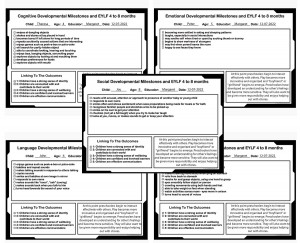
The Developmental Milestones Checklist EYLF 4 to 8 Months enables Educators to link each of the milestones within the developmental domains to the EYLF Outcomes.
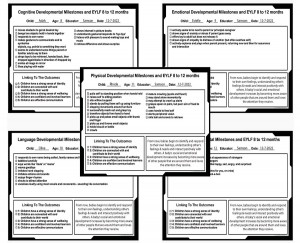
The Developmental Milestones Checklist EYLF 8 to 12 Months enables Educators to link each of the milestones within the developmental domains to the EYLF Outcomes.
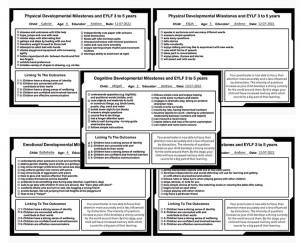
The Developmental Milestones Checklist EYLF 3 to 5 Years enables Educators to link each of the milestones within the developmental domains to the EYLF Outcomes.

Among the most significant indicators of emotional well-being is positive self-esteem. Like with many other cognitive and physical skills, self-esteem too develops as the result of interactions with environment and people. The following article provides information on What Is Self Esteem, How Self Esteem Develops, Self Esteem Strategies For Babies, Toddlers and Preschoolers.
Developmental milestones are a set of functional skills or age-specific tasks that most children can do at a certain age range as they grow and develop. The following provides the developmental milestones from 2 months to 5 years old.

Saying sorry is among the earliest lessons in interpersonal behaviour that children learn when growing up. There are indeed many benefits of an apology but sometimes we forget that almost always they depend on both sides genuine feeling the emotions rather than being forced to go through the motions. The following article provides information on the Importance Of Apologising and Strategies To Support Children In Saying Sorry.
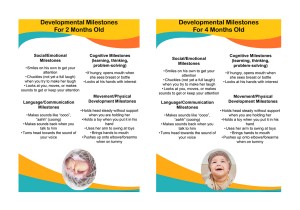
The Developmental Milestones Posters are from 2 months old to 5 years old and have the milestones for each age group in the Social/Emotional, Cognitive, Language, and Physical Development domains. These are great to display within the learning environment or to use as a reference.
Developmental milestones are behaviours or physical skills seen in infants and children as they grow and develop.
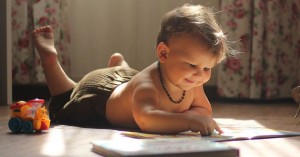
Dolly Parton’s Imagination Library in Australia is a free book gifting program. Each month children who are registered will receive free age-appropriate books till the age of five years old.
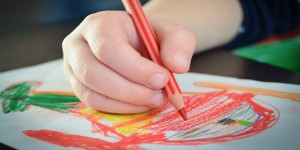
Art enjoys a highly significant space in early childhood learning programmes for the way it promotes a variety of learnings. Both as a process and product, art helps improve creativity, cognition, social skills and emotional expression in children. If you are involved in the planning or implementation of art-based play and learning in young children, here is a bit more on the different stages of child art development.
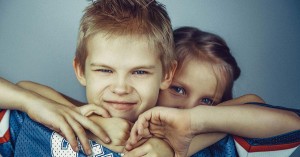
Children’s early experiences consist of interactions with parents, other family members, Educators and teachers as well as their environment. Due to the rapid nature of brain development in early childhood, the quality of early experiences deeply impacts their emerging selfhood and how they respond to the world around them for the rest of their life. This can be broadly thought to constitute the core of their social and emotional development and here is how it is linked to the EYLF.
 A childcare centre was fined after a one‑year‑old went missing during a bush excursion, exposing serious supervision failures. The child was found unharmed, but the… Read More
 Fresh fee hikes in 2026 have pushed childcare costs to record highs, with Sydney’s inner suburbs now topping the list as the most expensive places… Read More
 North Sydney Council will demolish Kelly’s Place Community Childcare Centre at the end of 2026 to expand Hume Street Park, leaving at least 40 children… Read More
