


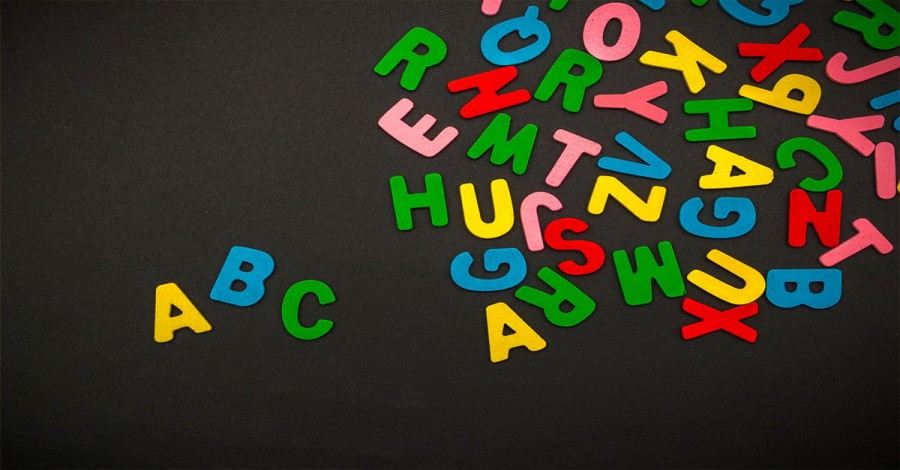
Following a study, that 4-year-olds showed improved reading skills after 13 and a half hours of phonics lessons, researchers are calling for phonics lessons to be rolled during preschool.
The 10-week-long study pitched the typical preschool program - of exposing children to rhyming and some first sounds of words — against explicit phonological awareness classes that used books, songs and activities to teach sound discrimination, identifying phonemes and sound-blending and word-segmenting techniques.
Flinders University found during their research children who took part in explicit phonological awareness lessons performed 2 and a half times better at converting sounds into letters compared to those children in a typical preschool program.
Children with spoken language difficulties also showed an improved phoneme awareness and letter-sound knowledge when tested.
Dr Karyn Carson, the lead researcher said two of the best predictors of how well children would learn to read and write in their first two years of schooling were phonemic awareness — the ability to identify and manipulate phonemes, the smallest mental units of sound — and letter-sound knowledge.
While the current guidelines for preschool educators, the federal government’s Early Years Learning Framework, emphasises the importance of children understanding key literacy concepts and processes, such as the sounds of language and letter-sound relationships, it does not stipulate phonics instruction.
South Australia recently became the first state to introduce a mandatory phonics check for Year 1 students at government schools, following a successful trial last year. The federal government is encouraging other states and territories to follow suit.
Reference:
Urban, Rebecca, "Researchers Urge Phonics Lessons For All Preschoolers", The Australian, 21 August 2018



 ***Distressing Content*** Sydney, NSW — A male childcare worker has been charged with more than 190 offences allegedly involving over 120 children, in what police describe