


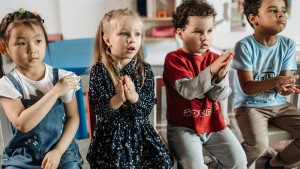
Body percussion is the art of making rhythmic sounds using the body clapping, stomping, patting thighs, snapping fingers, or chest taps. It’s accessible, requires no instruments, and builds musicality, coordination, and group awareness.

Music has always been a powerful tool in OSHC programs—whether it’s setting the tone for a calm morning or energising children after school. Many educators are exploring how to use music not just as background noise, but as a way to support regulation, inclusion, and child agency.
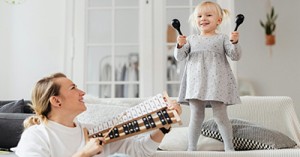
Celebrate International Music Day in early childhood with rhythm, culture, and joyful learning.
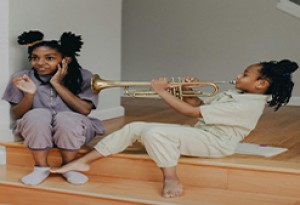
World Music Day is celebrated on June 21st. Music is a powerful tool for fostering inclusivity and cultural appreciation in early childhood education. It introduces children to diverse sounds, rhythms, and traditions from around the world, helping them develop empathy and a broader understanding of different cultures.
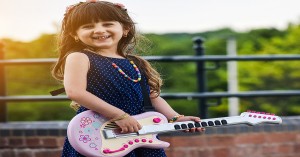
Children begin to learn that music and movement communicate messages and represents actions. Music naturally delights and moves most children. Throughout the early childhood years, children are learning to do new things with their body and music and movement encourages children to explore what they are able to do.
 November is filled with meaningful celebrations, cultural events, and awareness days that provide rich opportunities for learning in early childhood settings. From encouraging kindness, wellbeing,… Read More
 A new investigation by ABC's Four Corners has uncovered further safety failures within Australia's childcare sector, raising fresh concerns about whether recent reforms have gone… Read More
