



Rotation schema refers to a pattern of engagement where spinning, twirling, and circular motions tap into a child's innate fascination with movement and rhythm. It’s a developmental window into how children explore and understand the world around them.


The trajectory schema is one of the key patterns observed in schematic play, where children explore movement—particularly the paths objects take when they are thrown, dropped, or otherwise in motion.
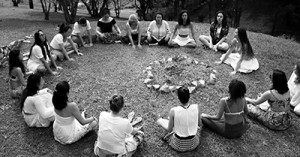
Sharing circles are a powerful tool for fostering collaboration, reflection, and connection among educators in early childhood settings. They create a safe and inclusive space where educators can share experiences, challenges, and successes, promoting professional growth and emotional well-being. Here are some insights and ideas based on the concept of sharing circles.

Empowering educator well-being and belonging is about creating an environment where educators feel seen, supported, and valued—not just as professionals but as whole people. When educators feel that what they do truly matters, they’re more engaged, resilient, and effective in fostering meaningful connections with children. Here are some ways to bring this into everyday practice.

Shifting toward a more interactive culture requires intentional, supportive practice. Here are some ideas to encourage educators to actively engage with children.

A RAP, or Reconciliation Action Plan, is a formal framework designed to promote reconciliation between Indigenous and non-Indigenous Australians. It outlines practical actions to foster respectful relationships, create opportunities, and celebrate the rich cultures of Aboriginal and Torres Strait Islander peoples. The following article provides information on How To Develop A RAP, Examples of Initiatives To Include In A RAP, Creating A Reconciliation Action Plan, RAP Framework, Examples, and more.

Schematic play refers to repeated patterns of behavior that children exhibit as they explore the world around them. These behaviors, known as schemas, are essential for understanding how things work and for brain development. The following article provides information on Nine Schemas in Young Children's Play, How To Encourage Schematic Play, Activity Ideas For Schema Play and more.

The relationship between families and educators forms the backbone of a supportive environment for children’s growth. When these partnerships are strong, they create a continuity of care and shared values that empower children to thrive both academically and emotionally. The following article provides information on Strategies For Building Relationships Between Families and Educators, How Relationships Influence Positive Outcomes For Children and more.

Becoming an effective leader in early childhood education requires mastering a blend of communication, organizational, and relationship-building skills. Here’s how educational leaders can develop and enhance their leadership abilities.
 G8 Education introduces Emmy and Friends consent lessons, teaching 30,000 children body autonomy, safe adults, and protective behaviours nationwide.
Read More
G8 Education introduces Emmy and Friends consent lessons, teaching 30,000 children body autonomy, safe adults, and protective behaviours nationwide.
Read More
 Indigenous preschools play an important role in preserving language, culture, and identity for future generations. A recent story from Australia highlights how early childhood education… Read More
