


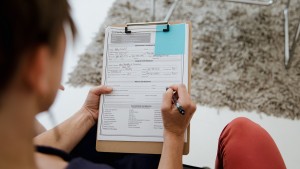

Summative assessments are more than end-point reflections—they’re storytelling tools that honour each child’s journey. They help educators celebrate growth, identify emerging skills, and co-plan intentional next steps. This guide is designed for quick glances during documentation, team huddles, or family meetings, keeping your language strengths-based, specific, and emotionally resonant.
Use it to:

This template can be used as a quick and efficient way to complete summative assessments.

Here's a practical educator cheat sheet tailored for writing summative assessments in early childhood settings—designed to be clear, efficient, and aligned with EYLF outcomes. The following article provides information on Structuring Your Summary, Linking to EYLF Outcomes, Prompts to Get You Started, Expanded Prompt Starters by Theme, EYLF Outcome-Based Prompt Starters, Prompt Starters For Babies, Toddlers and Preschoolers, Tips For Writing and more.
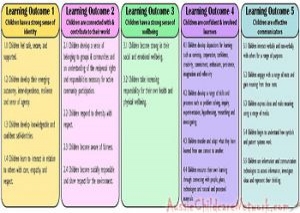 Here is the list of the EYLF Learning Outcomes that you can use as a guide or reference for your documentation and planning. The EYLF… Read More
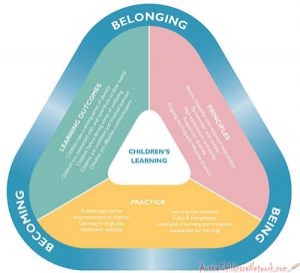 The EYLF is a guide which consists of Principles, Practices and 5 main Learning Outcomes along with each of their sub outcomes, based on identity,… Read More
 This is a guide on How to Write a Learning Story. It provides information on What Is A Learning Story, Writing A Learning Story, Sample… Read More
 One of the most important types of documentation methods that educators needs to be familiar with are “observations”. Observations are crucial for all early childhood… Read More
 To support children achieve learning outcomes from the EYLF Framework, the following list gives educators examples of how to promote children's learning in each individual… Read More
 Reflective practice is learning from everyday situations and issues and concerns that arise which form part of our daily routine while working in an early… Read More
 When observing children, it's important that we use a range of different observation methods from running records, learning stories to photographs and work samples. Using… Read More
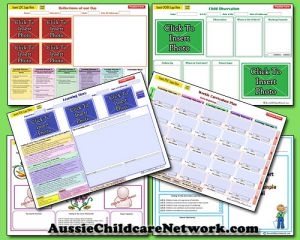 Within Australia, Programming and Planning is reflected and supported by the Early Years Learning Framework. Educators within early childhood settings, use the EYLF to guide… Read More
 This is a guide for educators on what to observe under each sub learning outcome from the EYLF Framework, when a child is engaged in… Read More
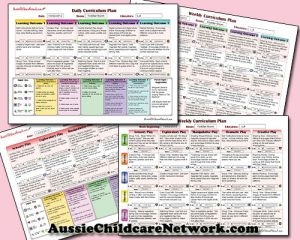 The Early Years Learning Framework describes the curriculum as “all the interactions, experiences, activities, routines and events, planned and unplanned, that occur in an environment… Read More
Linking to the EYLF is one of the most misunderstood parts of early childhood documentation...
See more...
Kinaesthetic learners, also known as tactile learners, thrive on physical movement and hands-on experiences. They...
See more...
The following provides a list of activity ideas for each sub-outcome of MTOP Outcome 2:...
See more...