


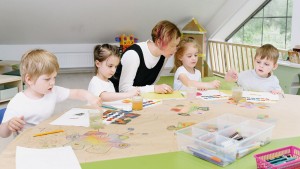
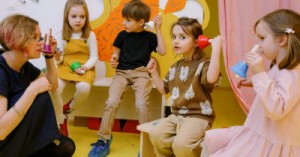
Group games are a wonderful way to build social skills, cooperation, and confidence in preschoolers. They encourage children to listen, take turns, and celebrate each other’s successes. Here are 30 tried‑and‑true favourites you can introduce to your kindy group.
The Child Safe Standards provide a framework to ensure that every child in early childhood education is protected, respected, and empowered. These standards are not just compliance requirements; they are everyday practices that safeguard children’s well-being while fostering environments where they can thrive.
For educators, translating these standards into age‑appropriate strategies is essential. Babies, toddlers, and preschoolers each experience safety differently, and educators must adapt their approaches to meet developmental needs. This guide offers practical checklists and examples to help educators embed child safety into daily routines, interactions, and learning experiences.

Preschoolers thrive in environments that balance consistency with novelty. They need time to revisit experiences to build mastery, but they also benefit from fresh provocations that spark curiosity. The challenge for educators is to design setups that are stable enough to support developmental progression, yet flexible enough to respond to children’s emerging interests.
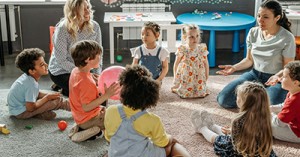
Play isn’t just fun—it’s foundational. For children aged 3 to 5, games offer rich opportunities to build social skills, emotional regulation, motor coordination, and early literacy and numeracy. Whether you're refreshing your weekly program or designing a themed experience, here are some educator-approved game ideas that blend creativity, inclusion, and developmental intent.

Teaching kindness helps children develop important social skills, such as cooperation, sharing, and effective communication. The following article provides information on Why Is It Important To Teach Kindness To Young Children,How To Teach Kindness To Toddlers and Preschoolers, Practical Acts Of Kindness, Examples Of Kindness Projects and more.
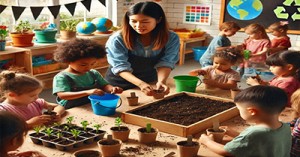
Implementing sustainable practices in a preschool room is a fantastic way to teach children about environmental responsibility while also creating a healthier space for them to learn and play. The following article provides information on Sustainable Practices For The Preschool Room, Reduce, Reuse, Recycle Ideas, Energy Efficiency In The Preschool Room, Water Conservation In The Preschool Room, Sustainable Learning Activities and more.
The Preschool Outcomes Measure is a nation-wide teaching tool. The Preschool Outcomes Measure is a comprehensive tool designed to support preschool teachers and educators in enhancing their practice.
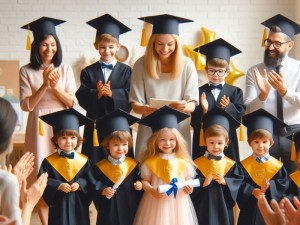
Preschool graduation is a special milestone that celebrates the transition of young children from preschool to kindergarten. It's a time to recognize their growth, achievements, and readiness for the next stage of their educational journey. The following article provides information on What Is Preschool Graduation, Strategies To Implement A Preschool Graduation, How To Get Children Involved In Their Preschool Graduation, What Does A Genuinely Inclusive, Child-focused Graduation Look Like and more.
Data showed that fewer kids are attending preschool, and experts have called once again for universal free childcare. According to the figures, which the Australian Bureau of Statistics (ABS) released recently there were 4,575 fewer kids registered in childcare programmes in 2022 than there were in 2021, a 1.3% decline.
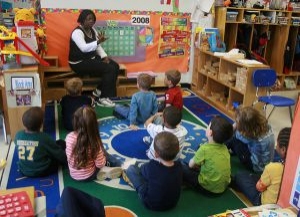 Working as a childcare professional can be a challenge especially when dealing with behavioural problems which may arise. The techniques we use when dealing with… Read More
 There are different types of behaviour that children can display and sometimes it can be hard to manage, especially if a child is having behavioural… Read More
 As Educators, there will be many instances where you will need to write about a child's behaviour. For a behaviour management plan, assessments, half-yearly or… Read More
 As a parent, your behavioural expectations of your child can be higher than what is actually developmentally appropriate for your child's age.
Read More
As a parent, your behavioural expectations of your child can be higher than what is actually developmentally appropriate for your child's age.
Read More
 As Educators when communicating with Parents (through verbal or non-verbal communication), there will be times where we need to discuss issues or concerns that may… Read More
 Challenging Behaviour is when a child does something that hurts themselves and/or other people.
Read More
Challenging Behaviour is when a child does something that hurts themselves and/or other people.
Read More
 It's always difficult to bring up behavioural issues with parents, it can be nerve wrecking to tell a parent that their child misbehaves but that… Read More
 As part of your child's development it is normal for your child to have anxiety and fears. A baby commonly shows a fearful sign to… Read More
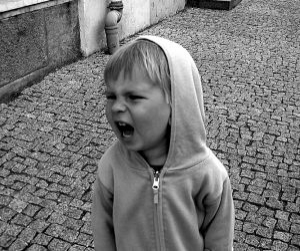 All children deal with anger on a daily basis. Thinking about it as a child, there is a lot to be angry about. Elder people… Read More
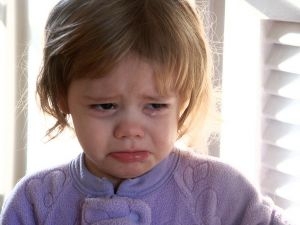 It is important to understand that your child behaviour problems could not just be from attention seeking. There are many factors to take into consideration… Read More
Physical development includes not just the increase in length, height and weight of the child...
See more...
Autism is a disorder of neural development characterized by impaired social interaction and communication, and...
See more...
As your baby becomes a toddler there are certain situations that, as a parent, you...
See more...