




Support emotional safety and self-regulation with this free set of Calming Cards. Each card offers a simple, actionable strategy paired with a clear visual cue to help children navigate big feelings and regain calm.

17 Free Chill Zone Posters for Emotional Regulation designed to support emotional literacy, self-regulation, and calm-down routines in early childhood settings. Ideal for calm areas, wall displays, emotion corners, or visual prompts during group time.

Creating calming areas in early learning environments is about more than just aesthetics; it’s about offering children a safe, restorative space where they can regulate emotions, recharge, and feel secure. These spaces don’t need to be elaborate or expensive. With thoughtful setups and simple materials, educators can design corners that nurture well-being and support self-regulation.

Early childhood classrooms are vibrant, bustling spaces filled with energy, exploration, and social interaction. While this environment nurtures many children, introverted learners may find constant stimulation overwhelming. Creating quiet corners offers a restorative solution—spaces where children can regulate emotions, recharge, and engage in learning at their own pace.
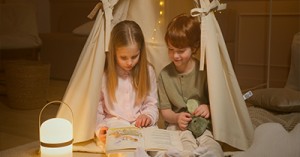
In a busy early learning room, nestled between a soft rug and a basket of sensory tools, something quietly revolutionary was unfolding. It wasn’t a new curriculum or a flashy resource—it was a space. A space designed not for punishment, but for peace. Not for isolation, but for connection. It was the Calm Corner, and it changed everything.

Meditation can be a wonderful tool for preschoolers to help them relax, focus, and manage their emotions. The following article provides simple and engaging meditation activities for young children.

Children, even young ones, regularly experience stress as they negotiate unfamiliar settings and people besides the turbulence of their own inner lives. The following article provides information on Using Calming Strategies for children, Teaching Self Regulation and more.

Like other professional contexts, the early childhood setting too, comes with its own set of pressures and anxieties. Mindfulness can be an excellent way for Educators not only to find their own calm but also to teach children valuable lessons on de-stressing and self-regulation. The following article provides information on What Is Mindfulness, How It Can Help Educators, How It Can Help Children and more.
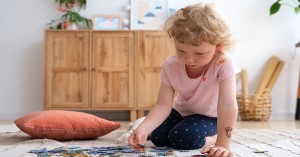
Reset activities help children regain calm, rebuild confidence, and smoothly transition back to play and learning after meltdowns.
 Working as a childcare professional can be a challenge especially when dealing with behavioural problems which may arise. The techniques we use when dealing with… Read More
 There are different types of behaviour that children can display and sometimes it can be hard to manage, especially if a child is having behavioural… Read More
 As Educators, there will be many instances where you will need to write about a child's behaviour. For a behaviour management plan, assessments, half-yearly or… Read More
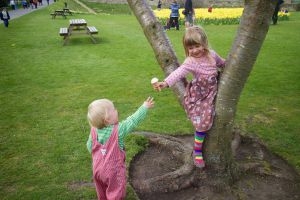 As a parent, your behavioural expectations of your child can be higher than what is actually developmentally appropriate for your child's age.
Read More
As a parent, your behavioural expectations of your child can be higher than what is actually developmentally appropriate for your child's age.
Read More
 As Educators when communicating with Parents (through verbal or non-verbal communication), there will be times where we need to discuss issues or concerns that may… Read More
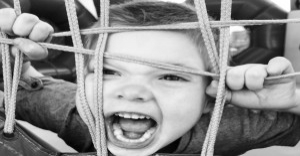 Challenging Behaviour is when a child does something that hurts themselves and/or other people.
Read More
Challenging Behaviour is when a child does something that hurts themselves and/or other people.
Read More
 It's always difficult to bring up behavioural issues with parents, it can be nerve wrecking to tell a parent that their child misbehaves but that… Read More
 As part of your child's development it is normal for your child to have anxiety and fears. A baby commonly shows a fearful sign to… Read More
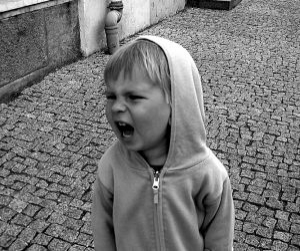 All children deal with anger on a daily basis. Thinking about it as a child, there is a lot to be angry about. Elder people… Read More
 It is important to understand that your child behaviour problems could not just be from attention seeking. There are many factors to take into consideration… Read More
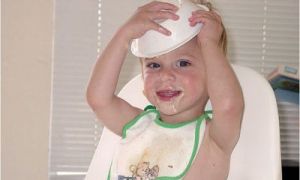
“No, no, no”…How many times have you heard your child say that at the dinner...
See more...
You and your family are all sitting down at the table, enjoying a delicious meal...
See more...
As a parent, you will usually notice speech problems when trying to communicate with your...
See more...