


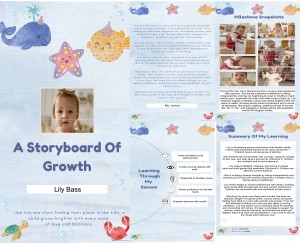
This template can be used as a summative assessment for babies.

A: In terms of best practice, not every single piece requires a long, formal reflection, but each should invite at least a moment of intentional consideration.
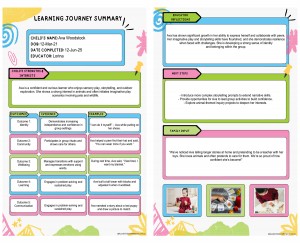
This template can be used as a summative assessment.
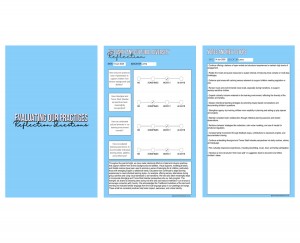
This template consists of 7 pages to reflect on practices within an early childhood service.
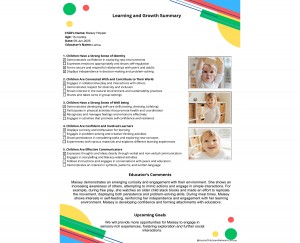
This template is to be used as a summary of a child's learning.
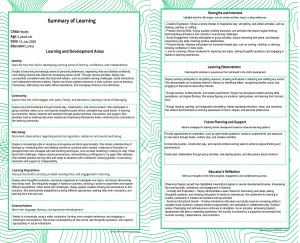
This template is to be used to summarize a child's learning.

The following lists reflection questions to help educators develop cultural competence in early childhood settings.
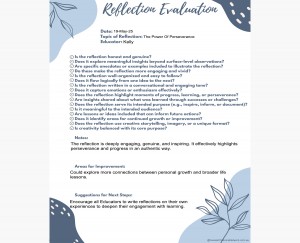
This template is to be used for assessing and enhancing the quality of reflections.

A: The essence of reflection lies in its depth and authenticity—a well-articulated reflection can transport the reader into the moment, spark emotions, and leave lasting lessons. The joy of learning, perseverance, discovery, and growth breathe life into the concept of reflection, the kind that celebrates the humanity and unpredictability of education and development. It’s not about ticking boxes; it’s about telling tales of triumphs, struggles, and the endless curiosity that fuels progress. Here are some ideas to make reflections more inspiring and impactful:
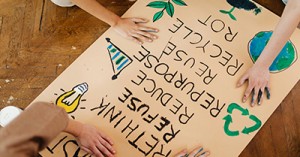
The following lists reflection questions designed to help educators reflect on how sustainability is embedded into their practices.
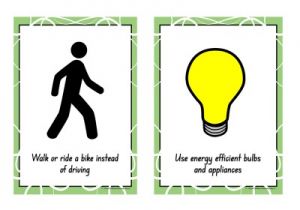
The Reduce, Reuse, Recycle Information Posters are a good reminder for Educators and Children on...
View Worksheet...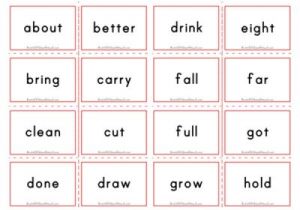
Advance literacy with Dolch third grade sight word flashcards. These worksheets help children master high‑frequency...
View Worksheet...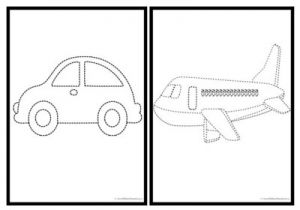
Vehicle Tracing enables children in pre-writing skills. It encourages the child to draw in specific...
View Worksheet...