


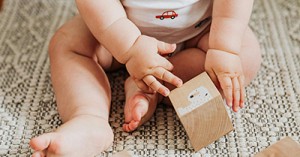
A Curiosity Approach environment fosters exploration, creativity, and sensory-rich experiences, making learning feel natural and engaging. Here are some additional ideas to enhance your nursery room setup.

Loose parts materials inspire babies, toddlers, and preschoolers to explore, build, and create, boosting motor skills, imagination, and social play.

Supporting schemas through meaningful and engaging experiences helps nurture children’s natural learning processes. The following article provides activity ideas for incorporating schema-focused activities into the learning environment.
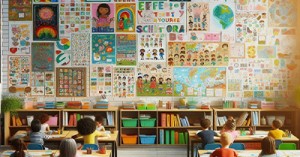
Setting up room displays can be quite exciting. The following article provides information on Non Negotiable Displays, Highly Recommended Displays, Optional Displays, Displays To Meets NQS In Australia, Displays To Meet National Regulations, Quality Ratings Display, Ideas For Creating A Children's Art Display, Examples Of Cultural Displays, Examples Of Aboriginal and Torres Strait Islander Displays, Themed Displays, Creating A Parent Displays and more.

Working barefoot is beneficial for educators in early childhood settings. It is comfortable and relaxing, which can contribute to a positive and calm atmosphere. The following article provides information on Benefits for Educators, Strategies For Educators, Implementing Barefoot Policies, Tips for Implementing Barefoot Practices for Educators, and more.

Inquiry-based learning sparks curiosity, critical thinking, and collaboration in early childhood through hands-on exploration and reflection.
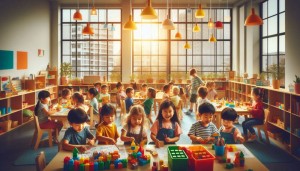
Lighting plays a crucial role in early childhood environments, impacting everything from mood and behavior to learning and development. The following article provides information on Effect Of Lighting, Effects Of Poor Lighting, The Effects Of Poor Lighting On Children, Dim Lighting In Early Childhood and more.
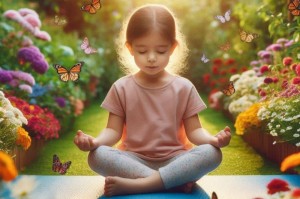
Meditation can be a wonderful tool for preschoolers to help them relax, focus, and manage their emotions. The following article provides simple and engaging meditation activities for young children.
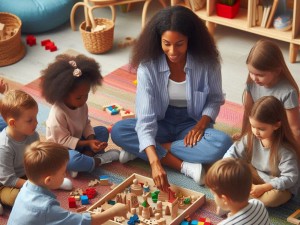
Kinaesthetic learners, also known as tactile learners, thrive on physical movement and hands-on experiences. They learn best through activities that involve touch, movement, and manipulation of objects. The following information provides information on How To Identify Kinaesthetic Learners, Characteristics of Kinaesthetic Learners, Strategies to Support Kinaesthetic Learners and more.

Involving children in documentation in early childhood education can be a powerful way to engage them in their own learning process. The following article provides information on Strategies Involving Children In Documentation and Multimodal Representations.

Dog and Bone Letter Match enables children to match the correct letter bone to the...
View Worksheet...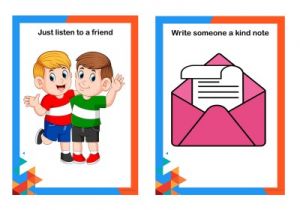
The Showing Kindness Posters display colourful images in different ways children can show kindness. It's...
View Worksheet...
Bring calm, focus, and emotional balance with Mindful Moments in a Jar. This beautifully simple...
View Worksheet...