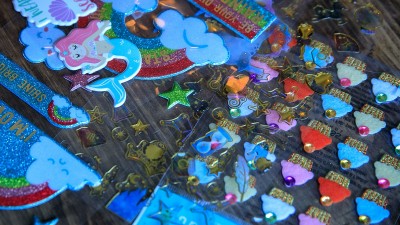
Reward systems in OOSH settings can be a fun and engaging way to encourage positive behaviours, build community, and motivate children. Whether it’s a prize box filled with small treasures, a raffle system, or creative approaches like OOSH dollars, these strategies often spark excitement and give children something to look forward to. In this article, we’ll explore the pros and cons of reward systems, practical ideas for implementation, and strategies to make sure every child feels seen and celebrated.
At their best, reward systems highlight kindness, effort, and teamwork rather than simply compliance. They can help children feel valued, teach responsibility, and create moments of joy in the everyday rhythm of care. However, they also come with challenges, from ensuring fairness to making sure quieter children aren’t overlooked.
Benefits of Reward Systems
- Positive reinforcement - Encourages children to repeat helpful, kind, or responsible behaviours.
- Motivation and engagement – A prize box or raffle can make routines like packing up or listening more exciting.
- Community building– Systems like star charts or peer nominations foster teamwork and recognition among children.
- Skill development – Point systems or OOSH “dollars” teach saving, patience, and decision-making.
Challenges and Controversies
- Exclusion risk – Children with behavioural or developmental challenges may miss out, which can feel unfair.
- Compliance issues – NQS discourages reward systems that exclude or label children; rewards must be inclusive and supportive.
- Sustainability– Managing charts, points, or prizes can become overwhelming for educators.
- Same children winning – If rewards always go to the same children, quieter or less visible acts of kindness may be overlooked.
Practical Implementation Ideas
- Raffle tickets– Children earn tickets for positive acts; winners are drawn weekly or termly. This spreads recognition more evenly.
- Peer nominations– Children nominate classmates for kindness or support, ensuring quieter children are noticed.
- Value-based stickers – Stickers tied to centre values (kindness, safety, fun) double as raffle entries.
- OOSH dollars/shop – Children earn “currency” for positive actions and save up for prizes, teaching financial literacy.
- Wall of Fame – Recognition through photos or certificates alongside small prizes builds pride and visibility.
Tips for Fairness and Inclusion
- Spot the quiet achievers – Actively look for small, positive contributions from quieter children.
- Rotate recognition – Use random draws or peer votes to ensure variety in who gets rewarded.
- Focus on effort– Reward persistence, trying new things, or helping peers, not just “perfect” behaviour.
- Group rewards – Celebrate collective achievements (e.g., whole group packing up quickly) to avoid exclusion.
- Non-material rewards – Special activities, leadership roles, or privileges can be just as motivating as prizes.
Reward systems in OOSH can work beautifully when they highlight kindness, effort, and teamwork rather than compliance alone. The key is to design them, so every child feels seen, valued, and motivated, not just the loudest or most compliant.
Further Reading
Rewards Chart For OOSH Children
How To Encourage Children To Follow Instructions
Strategies to Promote Positive Behaviour In OOSH Services
Behaviour Management in OOSH: Practical Strategies
Zones of Regulation in OOSH
Managing Inappropriate Language in OSHC Settings