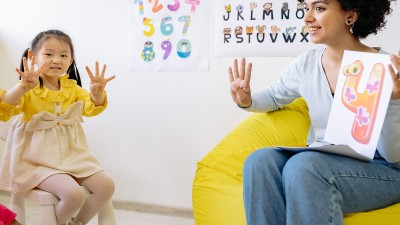
Is a school readiness program necessary? Explore how skills and dispositions are built through play, programs, and balanced approaches in early childhood.
Why Programs Add Value
- Structure for families—Parents often want clear evidence of skills being developed.
- Consistency across educators—A program provides a shared framework for staff.
- Documentation support — Linking activities to readiness outcomes supports QA1 and QA5 compliance.
Example: A service runs a “Lunchbox Practice Week” as part of its readiness program. Families see the skill focus, while educators document independence outcomes.
Why Readiness Is Embedded in Play
- Natural learning — Skills like turn‑taking, problem‑solving, and resilience emerge organically.
- Child‑led exploration — Play allows children to practice readiness skills in authentic contexts.
- Less pressure — Avoids turning readiness into a checklist that stresses children.
Example: A group game in the playground builds cooperation and listening skills without being labelled “school readiness.”
Practical Strategies for Educators
- Blend approaches — Use a readiness program as a framework, but embed skills into play.
- Highlight dispositions — Document confidence, curiosity, and resilience alongside practical skills.
- Role‑play routines — Practice lining up, carrying bags, or classroom expectations through playful scenarios.
- Family partnerships — Share realistic expectations with parents to reduce pressure.
- Flexible programming — Allow readiness activities to evolve from children’s interests.
Tips & Hints
- Avoid comparing children — readiness looks different for each child.
- Use storytime and group games to build listening and cooperation naturally.
- Document social‑emotional growth, not just academic skills.
- Celebrate small steps — independence in toileting or confidence in speaking up.
Pair readiness articles with printables or templates to make programming easier.
School readiness is not only a program, nor only embedded in play—it's both. A structured program can reassure families and support documentation, while play ensures readiness remains authentic and child‑centered. The key is balance: readiness should be visible but never forced.
Further Reading
School Readiness Program
School Readiness Guide For Educators
Deferring School Entry: A Strengths-Based Approach to Readiness
School Readiness and Name Writing: What ACECQA and the EYLF Really Say
Critical Reflection Questions For School Readiness