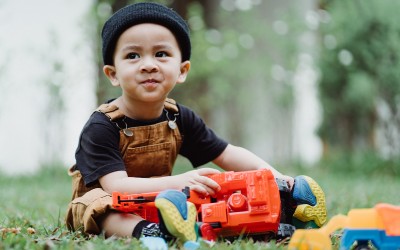
Discover practical strategies for early childhood educators to embed unstructured outdoor play into curriculum, fostering confident learners.
Outdoor play is more than recreation; it is a learning context. When children lead their own play outdoors, they develop resilience, creativity, and social skills. Educators can intentionally embed these experiences into programming rather than treating them as "extra".
Beyond the Playground: Why Unstructured Play Matters
Unstructured outdoor play fosters creativity, resilience, and problem-solving. When children lead their own play, they learn to negotiate, take risks safely, and develop independence. Educators can view these moments as powerful opportunities for growth rather than “free time".
Educator Tip: Treat outdoor play as a planned learning experience, not just a break. Document how children’s play links to outcomes.
Embedding Play into Curriculum Goals
Outdoor play doesn’t need to sit outside the curriculum. Link it to:
- EYLF Outcomes: Identity, wellbeing, and confident learners.
- QA5: Building relationships through shared play experiences.
- NQS Quality Area 3: Physical environment that supports play and exploration.
- STEM Foundations: Exploring balance, gravity, and cause-effect through natural play.
Educator Tip: When writing curriculum plans, explicitly connect outdoor play to EYLF outcomes and NQS areas to strengthen compliance.
Practical Strategies for Educators
- Create flexible outdoor environments: Offer loose parts (sticks, stones, fabric, tyres) that children can transform.
- Step back strategically: Observe before intervening; allow children to solve conflicts and invent rules.
- Introduce provocations: Place a rope, plank, or water tub outdoors and watch children invent new games.
- Blend safety with freedom: Use risk-benefit assessments instead of restricting play.
Educator Tip: Rotate materials weekly to keep outdoor spaces fresh and engaging.
Supporting Diverse Learners Outdoors
- Quiet spaces: Provide shaded nooks or sensory corners for children who need calm.
- Inclusive materials: Offer adaptive tools (e.g., lightweight balls, textured paths) for children with different abilities.
- Cultural connections: Incorporate natural elements familiar to children’s backgrounds—such as bush plants, shells, or local flora.
Educator Tip: Ask families about cultural play practices and incorporate them into outdoor environments.
Partnering with Families
Families often equate learning with structured activities. Educators can:
- Share documentation showing how outdoor play builds skills.
- Invite parents to “play days” where they join in unstructured activities.
- Provide take-home ideas for backyard or park play.
Educator Tip: Use photos and short learning stories to show families how outdoor play builds skills.
Reflective Practice Outdoors
Ask yourself:
- Did I allow children enough time to lead their play?
- How did outdoor play today connect to developmental outcomes?
- What risks did children manage successfully, and how did I support them?
Educator Tip: Keep a reflection journal specifically for outdoor play observations.
Unstructured outdoor play is not a luxury; it’s a core pedagogical tool. By intentionally designing environments and stepping back to let children lead, educators nurture confident, curious learners who thrive in both natural and social worlds.
Further Reading
Benefits Of Outdoor Area
Outdoor Play in Hot Weather: Balancing Safety and Children's Right
Outdoor Play for Babies: Belonging, Being, Becoming
Designing Intentional Outdoor Learning Environments
Designing Engaging Outdoor Learning Spaces