
In early childhood education, play is the foundation of learning. Two powerful spaces—the block area and the construction area—offer children opportunities to explore, create, and problem-solve. While often treated separately, combining these areas can enrich children’s experiences and deepen their developmental outcomes.
The Block Area: Precision and Pattern
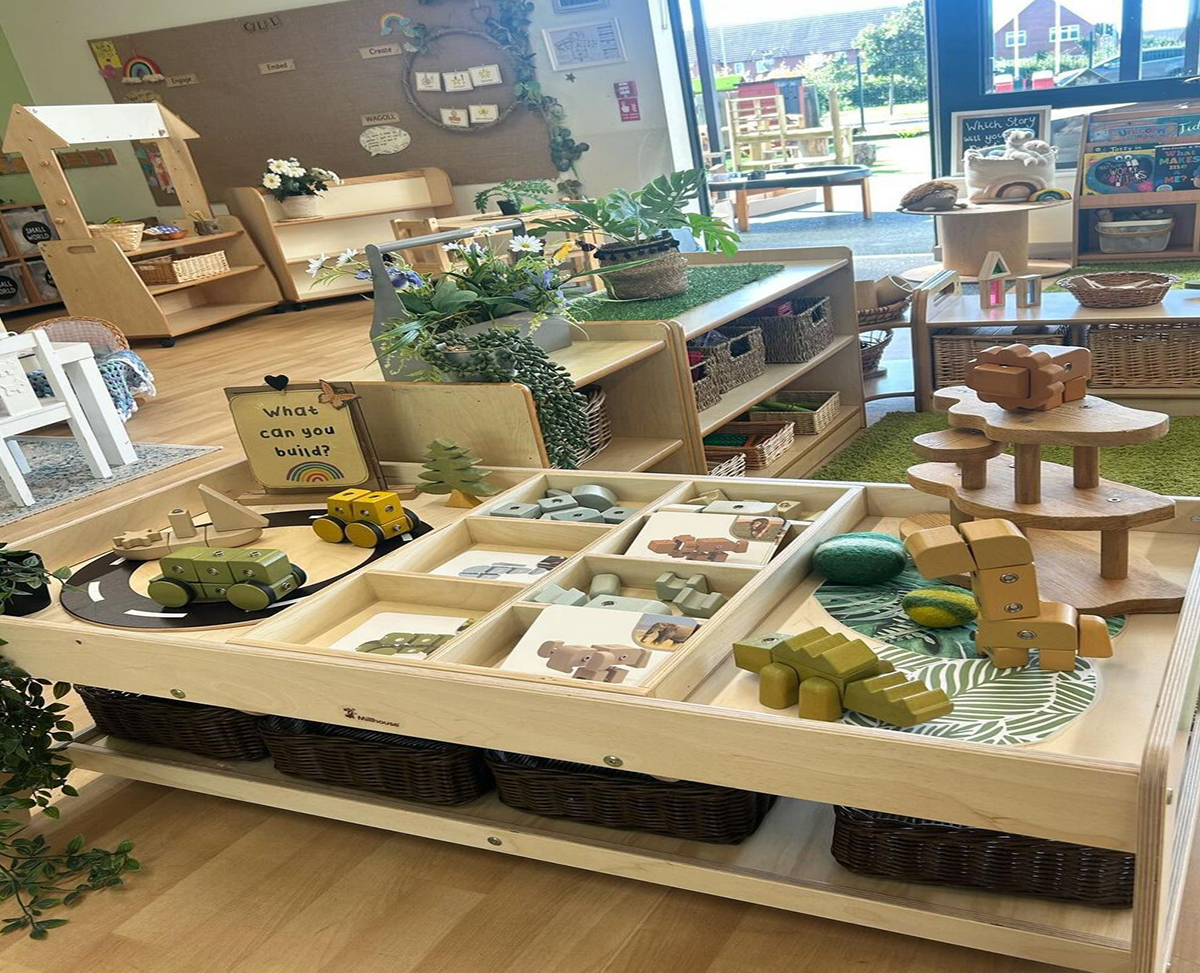
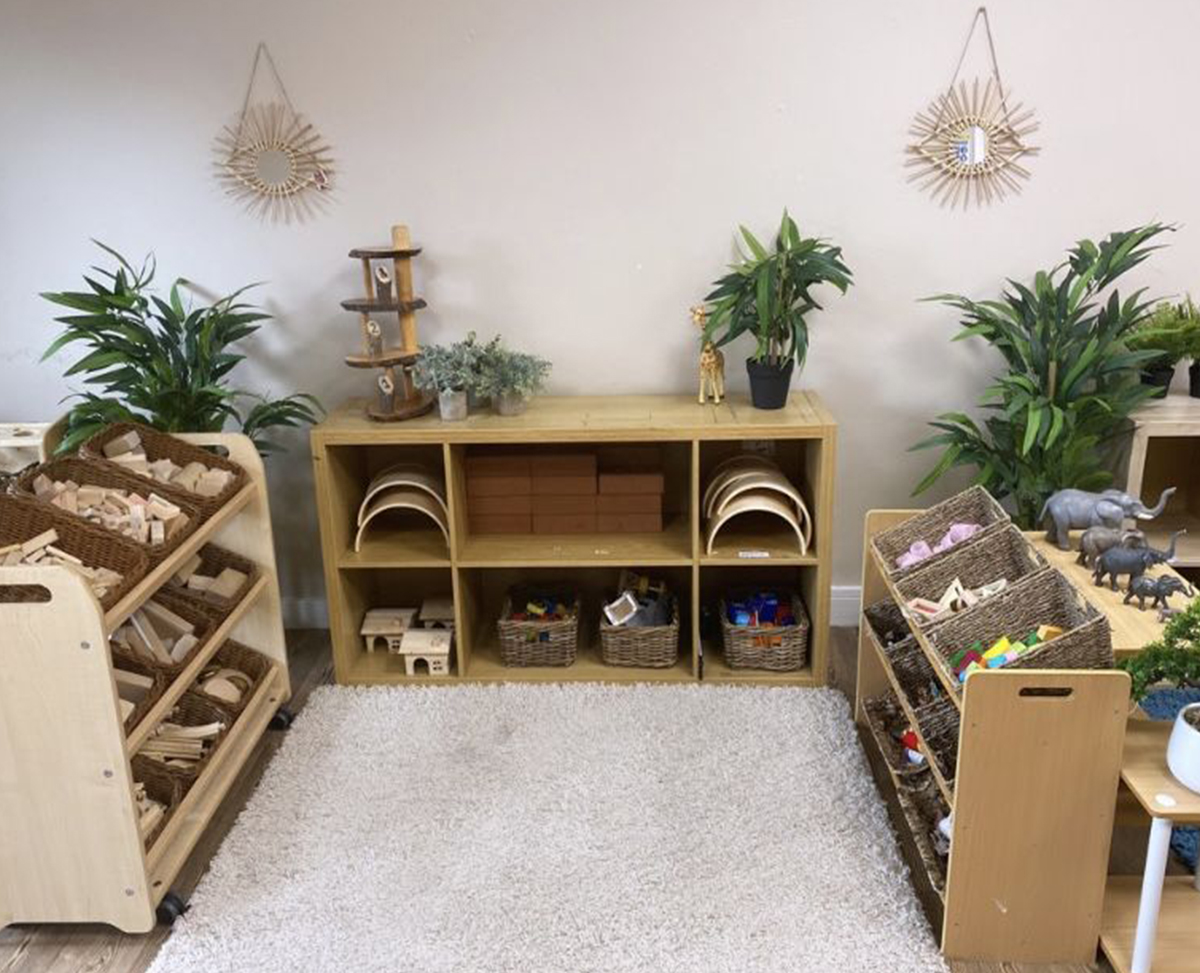
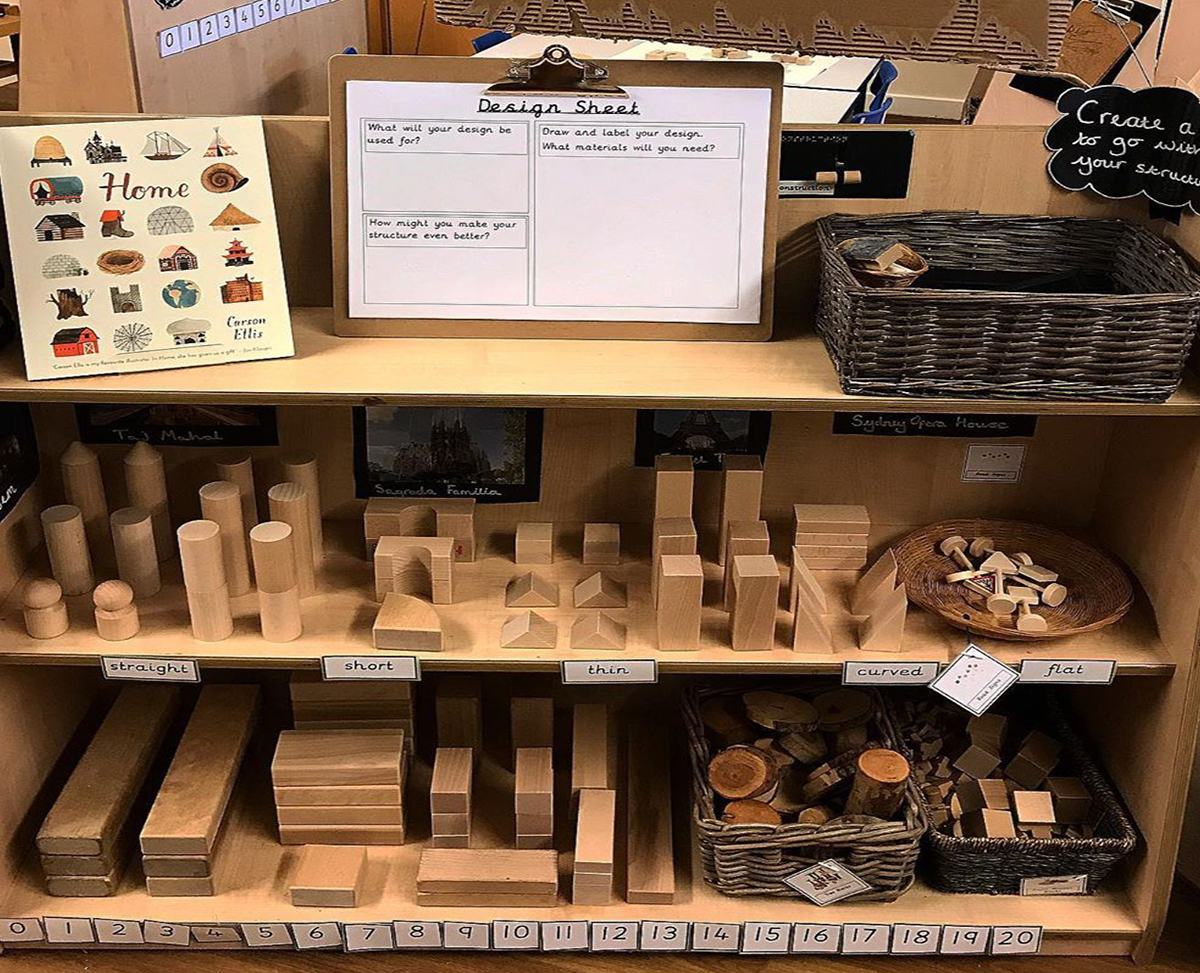
The block area is a familiar classroom staple. With wooden unit blocks, Lego, or foam sets, children learn:
- Spatial awareness through stacking, balancing, and symmetry.
- Mathematical concepts such as measurement, classification, and geometry.
- Persistence and resilience as they test structures and rebuild after collapse.
Block play provides a structured environment where trial and error leads to mastery.
The Construction Area: Creativity Without Limits
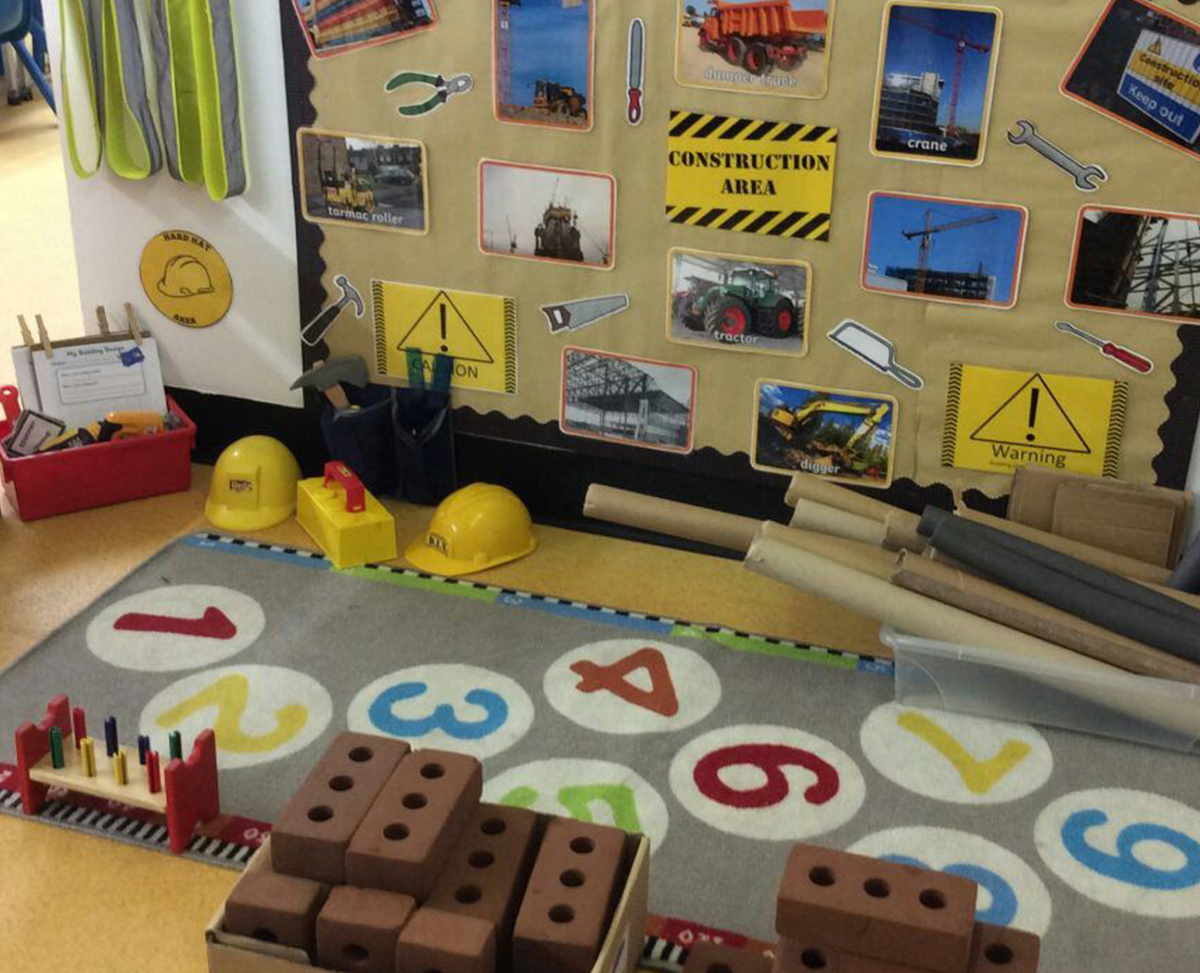
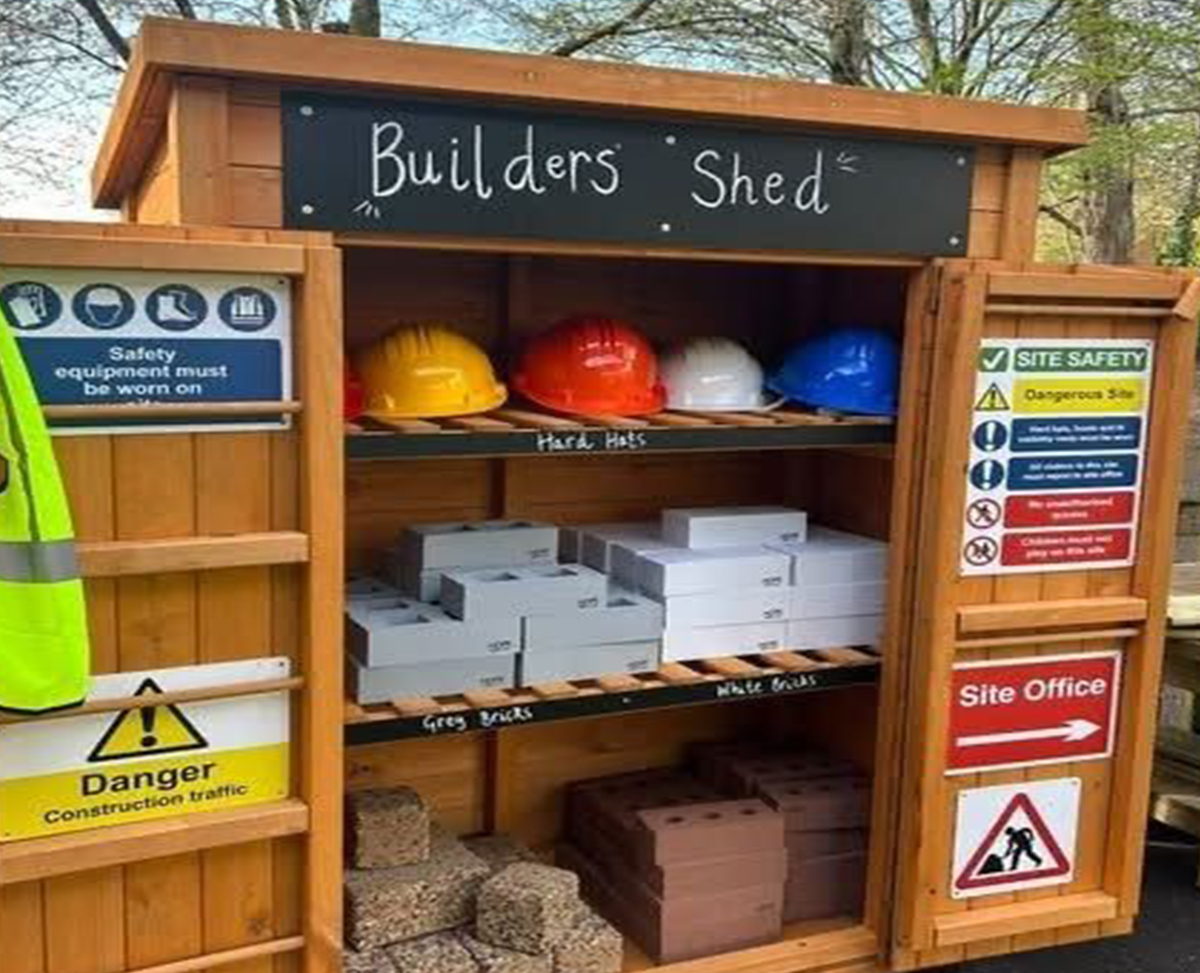
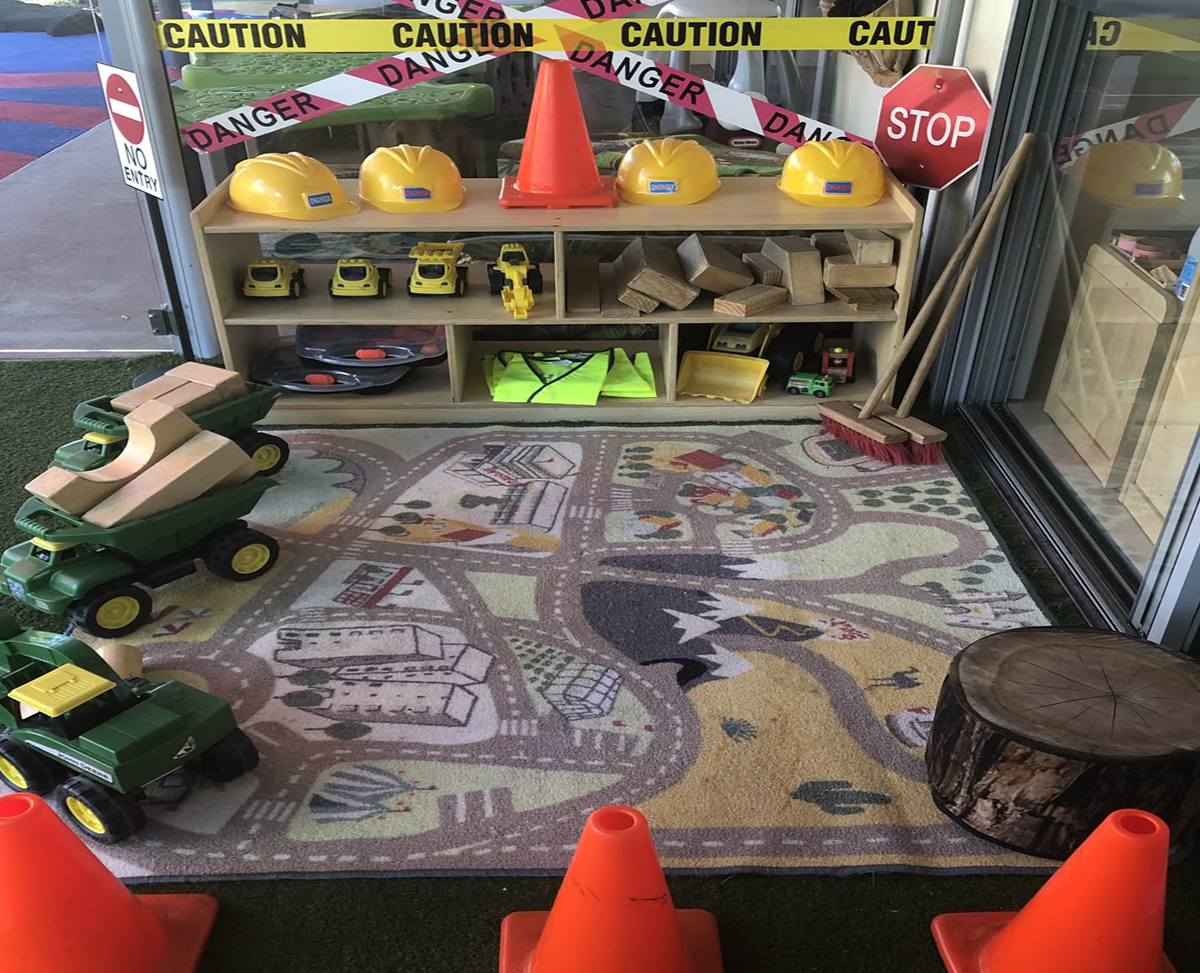
The construction area expands the possibilities. Here, children use recycled materials, natural items, sand, tape, and more to build beyond the boundaries of blocks. They learn:
- Innovation and imagination by transforming everyday materials into castles, bridges, or vehicles.
- Collaboration and communication when working on large-scale projects.
- Critical thinking as they solve real-world challenges like stability or connection.
Construction play encourages children to see the world as a toolkit for creation.
Why Combine Them?
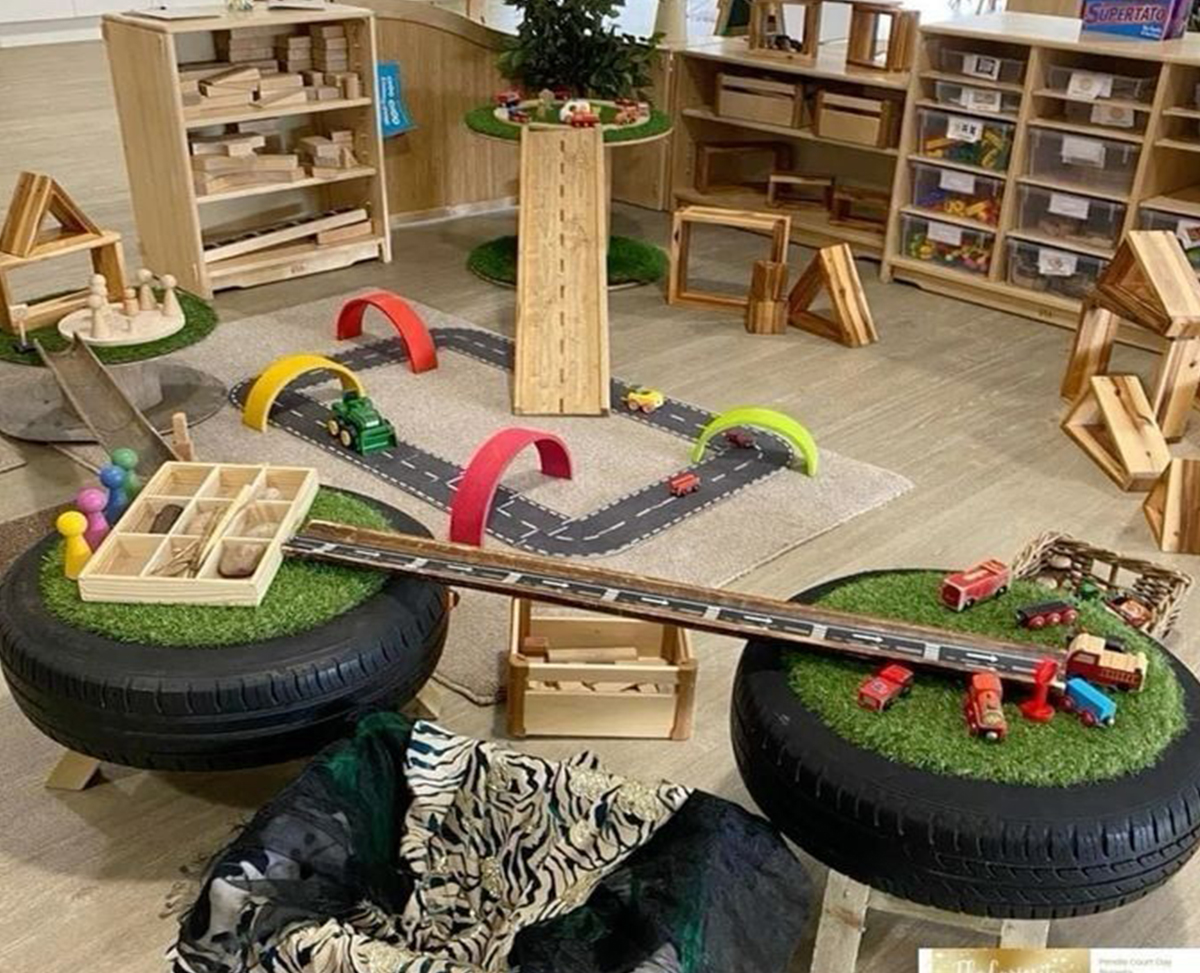
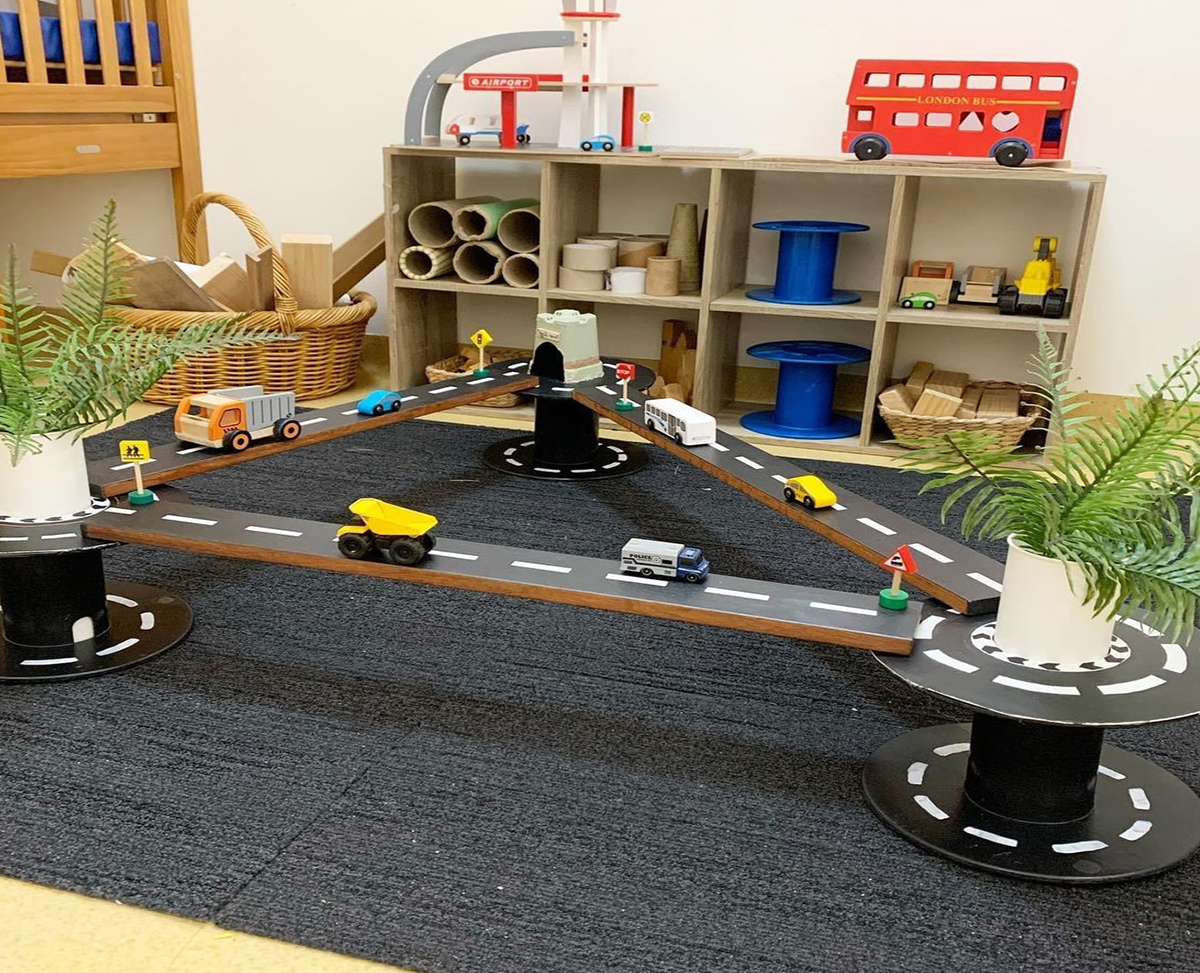
When educators merge block and construction play, children benefit from both precision and creativity:
- A child might start with a block tower, then extend it into a cardboard city.
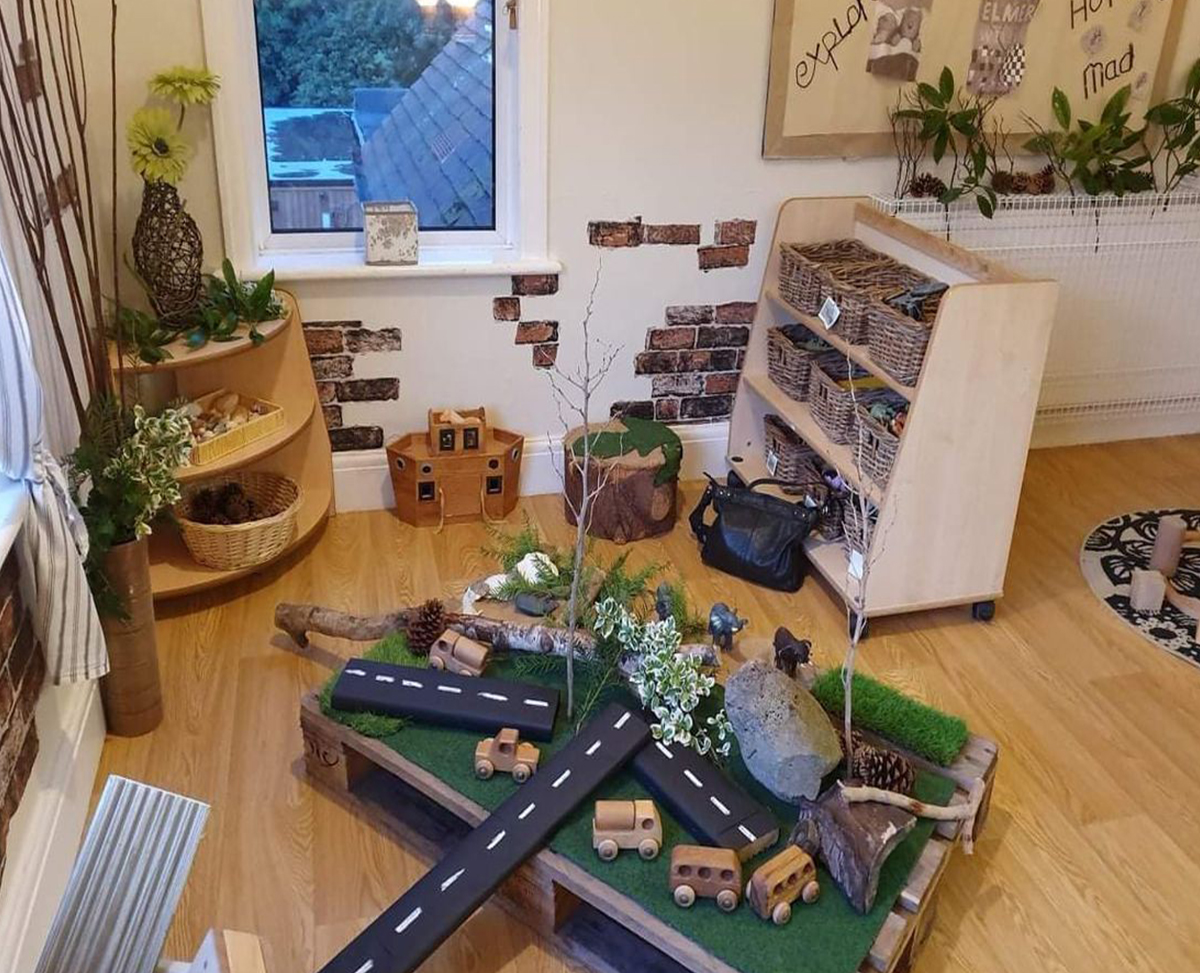
- Recycled materials can add texture and context to block structures, turning abstract shapes into meaningful environments.
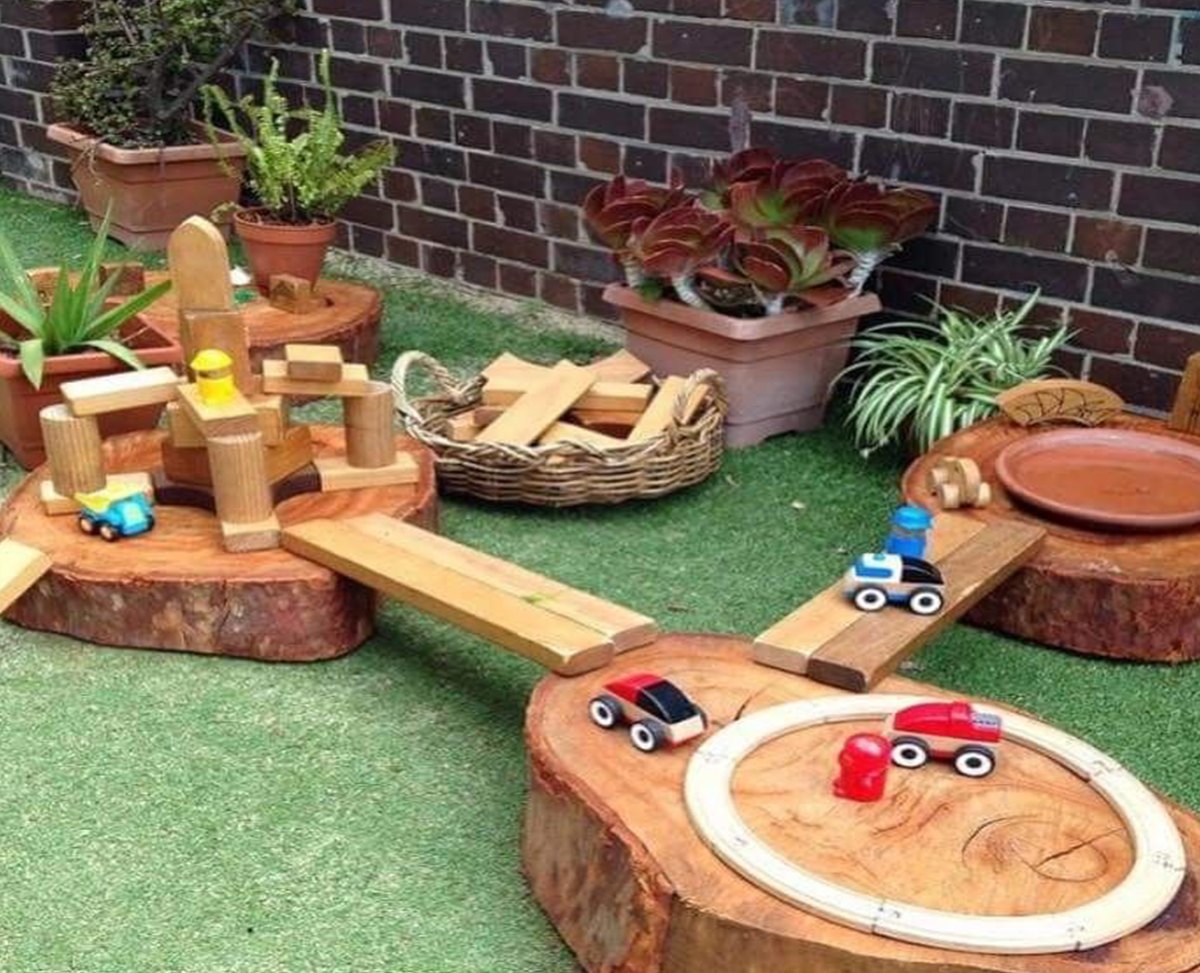
- Outdoor construction projects can incorporate block principles, reinforcing classroom learning in natural settings.
This integration bridges mathematical skill-building with imaginative exploration, creating a holistic learning experience.
Photo Ideas


Educator Tips for Integration
- Flexible Layouts: Position block shelves near construction materials so children can mix resources.
- Thematic Play: Encourage projects like “community building” where blocks form houses and recycled items become roads or gardens.
- Reflection Prompts: Ask children, “What made your tower strong?” or “How did you decide which materials to use?” to scaffold critical thinking.
- Documentation: Capture photos of evolving projects to share with families and highlight learning outcomes.
By weaving together the structured block area and the open-ended construction area, educators create a dynamic environment where children learn to balance precision with creativity. This integration not only supports cognitive and motor development but also nurtures collaboration, imagination, and joy in learning.
Image Credits:
Image 1 - Kerry Marsh, Pinterest
Image 2 - Leiliane Nina, Pinterest
Image 3 - Natalie Wilson, Pinterest
Image 4 - Susan, Pinterest
Image 5 - Sarah Beaton, Pinterest
Image 6 - Rose McInnes, Pinterest
Image 7 - Teresa Sanders, Pinterest
Image 8 - Marcy Schaut, Pinterest
Image 9 - Rose McInnes, Pinterest
Image 10 - Rose McInnes, Pinterest
Image 11 - Rose McInnes, Pinterest
Image 12 - No Name, Pinterest
Image 13 - Jaclyn Belling, Pinterest
Further Reading
Benefits Of Block Play
Benefits Of Play Posters
Benefits Of Interest Areas
Blocks and Pompom Colour Sorting